
- ■
ARMR Sciences begins first human trial of fentanyl vaccine in Netherlands with 40 healthy volunteers
- ■
Vaccine showed 92-98% effectiveness blocking fentanyl from reaching brain in rat studies
- ■
Could provide up to one year of protection, targeting teens and addiction recovery patients
- ■
Trial launches as US overdose deaths fell 24% in 2024, partly due to naloxone distribution
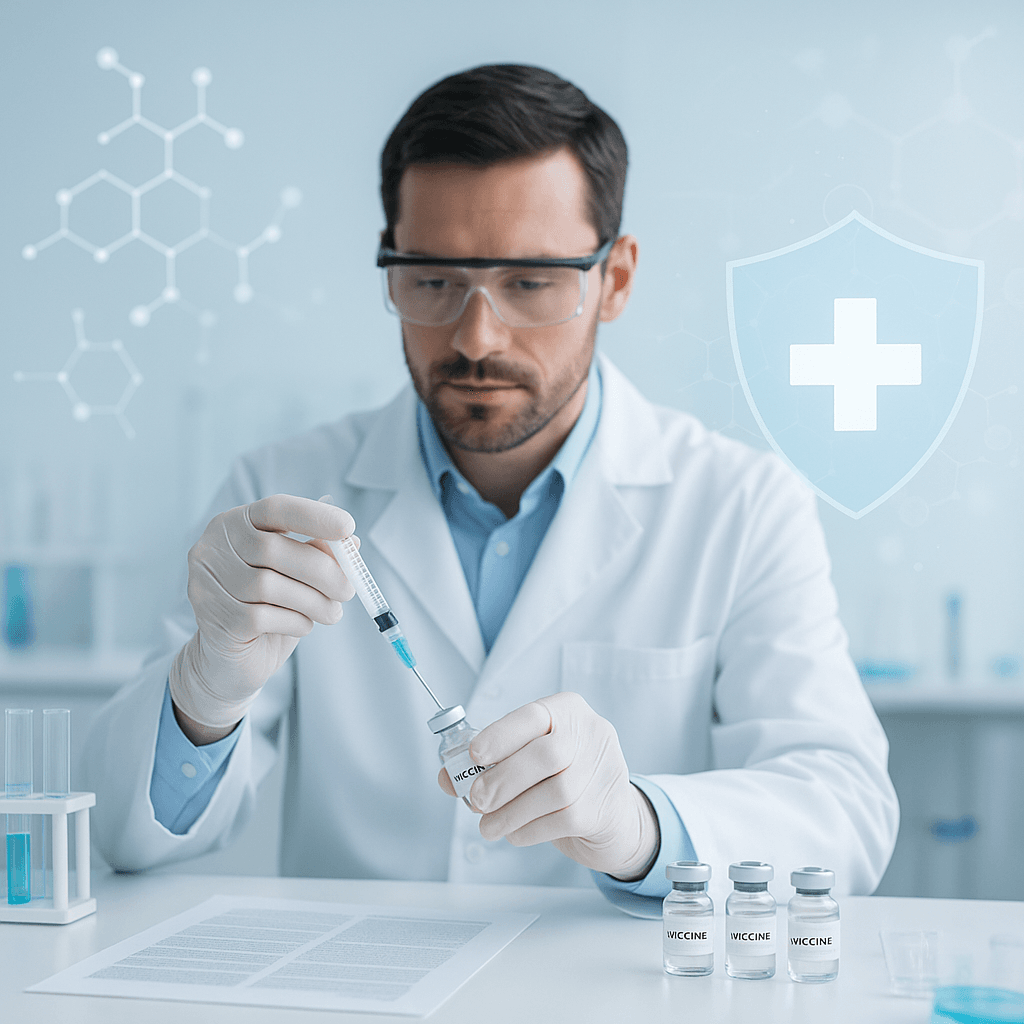
ARMR Sciences just launched the first human trial of a fentanyl vaccine that could prevent overdose deaths before they happen. The New York biotech is testing whether their experimental shot can neutralize the deadly opioid in bloodstream, potentially offering year-long protection for high-risk populations. With fentanyl driving most US overdose deaths, this could mark a shift from reactive treatments to proactive prevention.
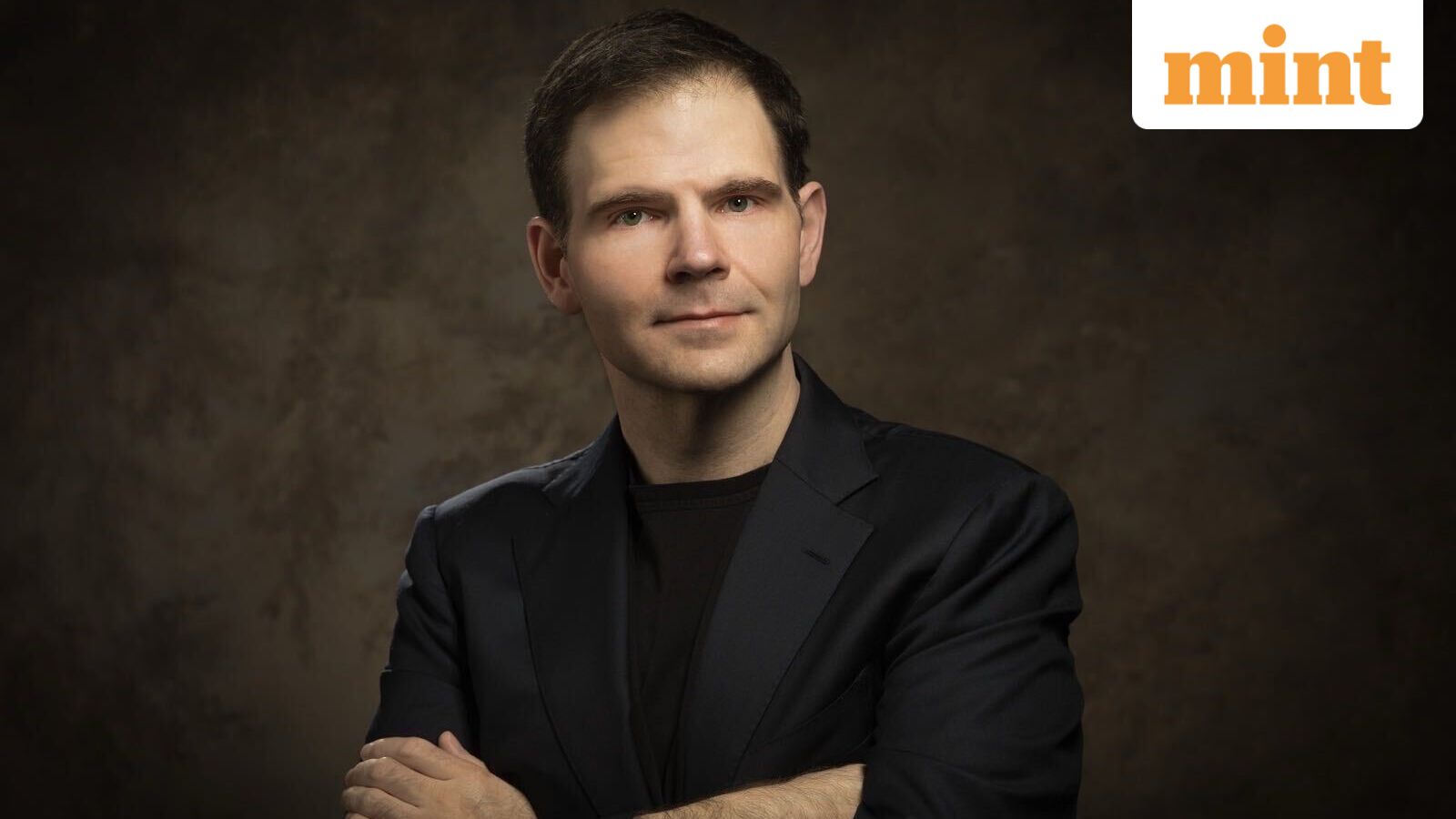
ARMR Sciences is about to find out if they can turn the tide on America’s deadliest drug crisis. The New York biotech just kicked off the first human trial of a fentanyl vaccine – a shot that could prevent overdose deaths before they happen, rather than scrambling to reverse them afterward. CEO Collin Gage founded the company in 2023 with a simple but radical premise: why wait for people to overdose when you could make them immune to fentanyl’s lethal effects? “It became very apparent to me that as I assessed the treatment landscape, everything that exists is reactionary,” Gage told Wired. “I thought, why are we not preventing this?” The timing couldn’t be more critical. Fentanyl now drives most overdose deaths in the US and kills more Americans aged 18-45 than any other cause. Just a few grains worth of the synthetic opioid – 50 times stronger than heroin – can stop breathing in minutes. The drug’s invisibility when mixed with street substances makes accidental exposure a constant threat. ARMR’s experimental vaccine works like biological armor, training the immune system to produce antibodies that grab fentanyl molecules in the bloodstream before they reach the brain. The shot pairs a fentanyl-like compound with a deactivated diphtheria protein that kicks the immune system into high gear. When antibodies latch onto fentanyl, they make the drug molecules too large to cross the blood-brain barrier – no high, no respiratory failure, no death. Early results in rats were striking. The vaccine blocked 92-98% of fentanyl from entering the brain and prevented all behavioral effects for at least 20 weeks. Gage believes this could translate to roughly a year of protection in humans, potentially making it a game-changing prevention tool. “The big breakthrough in the past five or six years is the advancement of the adjuvant technology that we’re able to utilize now, which causes an extremely robust immune system response,” he explained. The Phase 1/2 trial launching in early 2026 will enroll about 40 healthy adults at the Centre for Human Drug Research in the Netherlands. Researchers will first test safety and dosing with two-shot series, then give some participants medical-grade fentanyl to see how well the vaccine blocks its effects. ARMR chose the Dutch site specifically for its expertise with naloxone studies. But ARMR isn’t the only company chasing this breakthrough. is developing a monoclonal antibody treatment that would provide month-long protection against overdose. Founder Marco Pravetoni thinks shorter-term protection might be more commercially viable, especially given political attitudes toward vaccines. “We think a month of protection is pretty good in terms of providing a safety net,” Pravetoni said. His Seattle-based company is also starting human trials in early 2026. The vaccine faces some practical challenges. Critics worry that high enough fentanyl doses might overwhelm the antibodies, allowing the drug to reach the brain anyway. Sharon Levy, an addiction specialist at Boston Children’s Hospital and ARMR scientific adviser, acknowledges the limitation: “There’s only going to be so many antibodies.” But she believes the bigger opportunity lies with teenagers and young adults who might accidentally encounter fentanyl in street drugs, plus people in addiction recovery programs. Her surveys show strong interest in such protection. Mike Selick from the National Harm Reduction Coalition raises another concern – that a fentanyl-specific vaccine might leave people unable to receive opioid pain medications when medically necessary. However, animal studies show no cross-reaction with common pain meds like morphine or oxycodone. The downside? People could still overdose on other opioids. The vaccine push comes as the US recorded its first major decline in overdose deaths since the crisis began. Deaths dropped 24% in 2024, largely due to wider naloxone distribution. The emergency reversal drug works by displacing opioids from brain receptors, buying critical time for medical help. But naloxone requires someone to be present during an overdose and trained to use it. A vaccine would work automatically, providing a safety net even when no one’s around to help. Gage knows his vaccine isn’t a silver bullet for the opioid epidemic. It won’t cure addiction or stop people from seeking drugs entirely. But it could add a crucial layer of protection in a crisis that’s killed over 100,000 Americans annually in recent years. “What we’re trying to do is put some innovation and new technology behind this problem,” he said, “because I think we’re in desperate need of it.”






Leave a Reply