
- ■
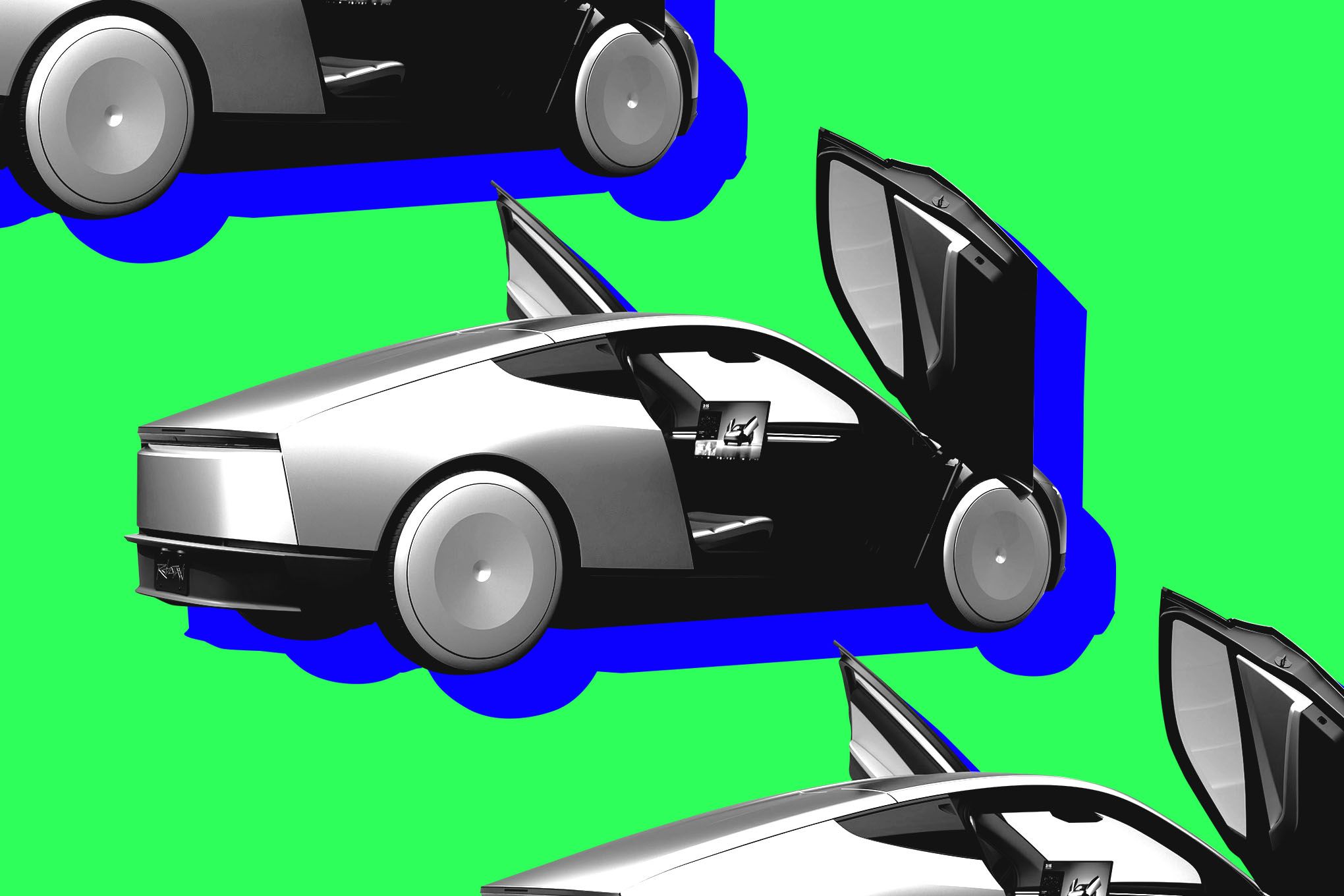
Tesla begins continuous Cybercab production at Austin Gigafactory after initial prototypes in February, according to announcement on X
- ■
The steering wheel-less robotaxi represents Tesla’s bet on fully autonomous driving, but rollout timeline remains unclear
- ■
Musk’s uncharacteristically cautious messaging suggests regulatory and technical hurdles may be slowing deployment plans
- ■
Tesla just hit a major milestone that’s been years in the making – but don’t expect robotaxis flooding streets anytime soon. The company’s steering wheel-less Cybercab rolled off the production line at its Austin Gigafactory this week, marking the start of continuous manufacturing for the autonomous vehicle. But in an unusual twist, Elon Musk is tapping the brakes on expectations, signaling a more measured rollout than the aggressive timelines he’s famous for promising.
Tesla posted a video Thursday that automotive enthusiasts have been waiting years to see – footage shot from inside a Cybercab as it drove out of the company’s Texas factory, no steering wheel in sight. “Purpose built for autonomy,” the company declared on X, confirming that continuous production has officially begun at the Austin Gigafactory.
But the celebration feels muted. While Tesla made a few initial Cybercabs back in February, those were essentially hand-built prototypes. This month marks the real manufacturing push, where the robotaxis start rolling off the line in meaningful numbers. Yet Musk’s messaging around the launch has been notably restrained, a sharp departure from his typical pattern of bold predictions and aggressive timelines.
The Cybercab represents Tesla’s most ambitious autonomy play yet. Unlike the company’s existing Full Self-Driving system that still requires human oversight, these vehicles are designed to operate without any manual controls whatsoever. No steering wheel, no pedals – just cameras, sensors, and the neural networks that Tesla has been training on billions of miles of real-world driving data. It’s a design philosophy that doubles down on the company’s camera-only approach to autonomous driving, eschewing the lidar systems that competitors swear by.
That philosophical divide matters more than ever as the robotaxi race heats up. Waymo, backed by Google parent Alphabet, already operates commercial robotaxi services in Phoenix, San Francisco, and Los Angeles, logging thousands of autonomous miles daily. General Motors‘ Cruise division, despite hitting regulatory speedbumps, has logged real-world autonomous operations. Tesla’s production milestone puts hardware on the ground, but the software and regulatory clearance to actually deploy these vehicles commercially remains the bigger question.
Musk’s caution likely stems from mounting pressure on multiple fronts. Federal regulators have intensified scrutiny of Tesla’s existing Autopilot and Full Self-Driving systems following high-profile crashes. The National Highway Traffic Safety Administration has opened multiple investigations, and state legislators are debating frameworks for truly driverless vehicles. Getting a steering wheel-less car approved for public roads, even in Tesla-friendly Texas, requires navigating a regulatory maze that Musk can’t simply tweet his way through.
The economics also present challenges. Tesla originally pitched the Cybercab concept as a way for owners to earn passive income by adding their vehicles to an autonomous ride-hailing network. But that vision assumes both regulatory approval and software reliability that doesn’t yet exist. The production start means Tesla can begin building inventory and potentially testing in controlled environments, but commercial deployment remains somewhere over the horizon.
Industry observers are watching closely to see whether Tesla’s camera-based approach can actually deliver the level of safety and reliability needed for fully autonomous operation. The company has been collecting training data from its fleet of customer vehicles for years, feeding that information into neural networks that learn to navigate increasingly complex scenarios. But critics argue that cameras alone, without the redundancy of lidar and radar, create dangerous blind spots that could prove catastrophic in edge cases.
The timing of the production announcement also coincides with broader questions about Tesla’s strategic direction. The company faces intensifying competition in its core electric vehicle business from both legacy automakers and Chinese upstarts. Robotaxis represent a potential pivot toward high-margin software and services revenue, but only if the technology actually works at scale. Musk has long promised that autonomy would transform Tesla’s business model, but delivering on that promise requires clearing technical and regulatory hurdles that have proven higher than anticipated.
What happens next depends largely on how quickly Tesla can demonstrate real-world performance that satisfies both regulators and safety advocates. The company will likely start with controlled testing environments – closed campuses, specific routes, limited operating conditions – before attempting broader deployment. That measured approach represents a significant shift from Musk’s historical pattern of overpromising timelines, suggesting that even he recognizes the magnitude of the challenge ahead.
Tesla’s Cybercab production start marks a concrete step toward the autonomous future Musk has promised for years, but his unusually cautious tone suggests the path from factory floor to public streets remains longer and more complex than bulls hoped. The real test isn’t whether Tesla can build steering wheel-less cars – it’s whether the company can prove to regulators and customers that those vehicles can safely navigate the real world without human intervention. With competitors already operating commercial robotaxi services and regulatory scrutiny intensifying, Tesla’s measured approach may reflect a newfound realism about the gap between manufacturing milestones and actual deployment. Watch for limited testing announcements in controlled environments before any talk of widespread commercial launches.






Leave a Reply