
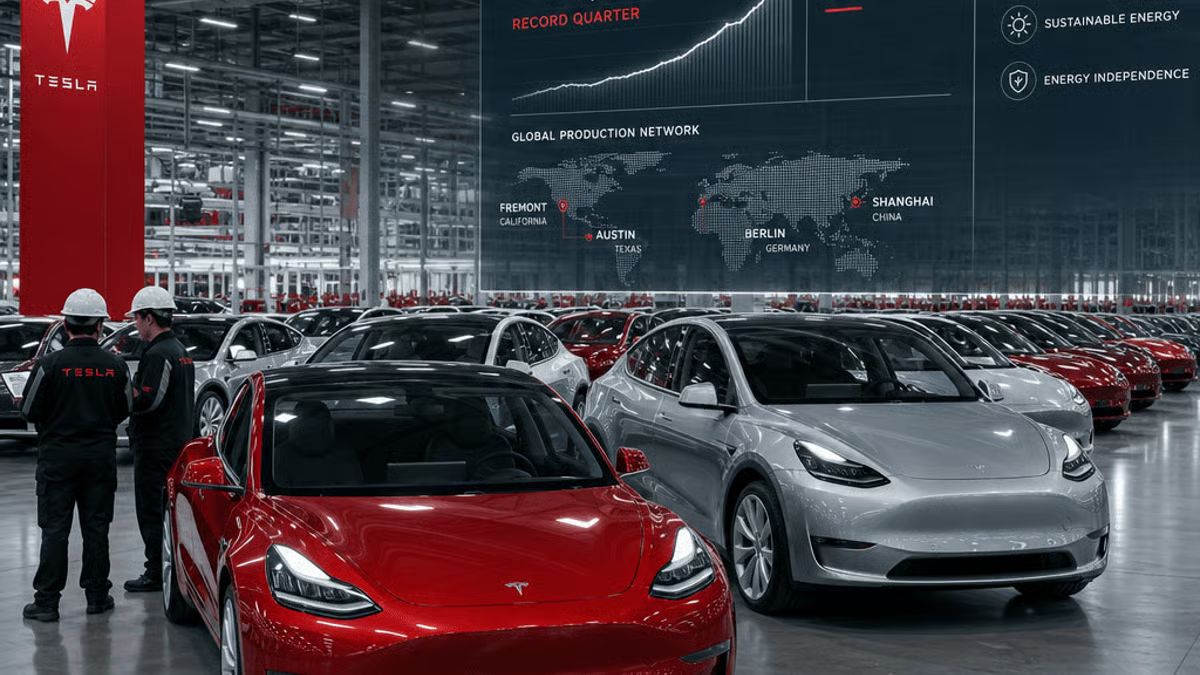
Tesla just posted one of its strongest quarters in company history, delivering more than 480,000 electric vehicles globally in Q2 2026. The massive jump comes as the EV maker aggressively cuts prices across its Model 3, Model Y, and Cybertruck lineups while pushing deeper into new markets. The numbers signal Tesla’s bet on volume over margin is starting to pay off, even as traditional automakers struggle to match its scale.
Tesla just dropped a bombshell in the EV market. The company delivered more than 480,000 electric vehicles globally in Q2 2026, marking one of the strongest quarterly performances in its history and catching Wall Street off guard. The surge comes as CEO Elon Musk’s aggressive pricing strategy and geographic expansion finally start showing results.
The delivery numbers represent a massive jump from recent quarters, fueled primarily by cheaper versions of the company’s core models. Tesla has been slashing prices on the Model 3 sedan, Model Y crossover, and even the polarizing Cybertruck throughout the first half of 2026, betting that volume growth will offset shrinking margins. Based on these numbers, that gamble appears to be working.
Geographic expansion played a crucial role in the Q2 surge. Tesla has been ramping production at its newer facilities while pushing aggressively into markets where it previously had limited presence. The company’s Shanghai Gigafactory continues to pump out vehicles for the Asia-Pacific region, while the Berlin and Texas plants are hitting their stride after years of production challenges.
But the real story is price. Tesla has been undercutting traditional automakers and EV startups alike, offering Model 3 variants at prices that make them competitive with gas-powered sedans in many markets. The strategy puts immense pressure on competitors like Ford, General Motors, and EV-focused upstarts such as Rivian, who are already struggling with profitability.
The Cybertruck’s inclusion in the delivery surge is particularly noteworthy. After a rocky launch plagued by production delays and quality concerns, Tesla appears to have ironed out enough issues to ramp deliveries. Cheaper trim levels of the angular electric pickup are now reaching customers, though the company hasn’t broken out specific Cybertruck numbers.
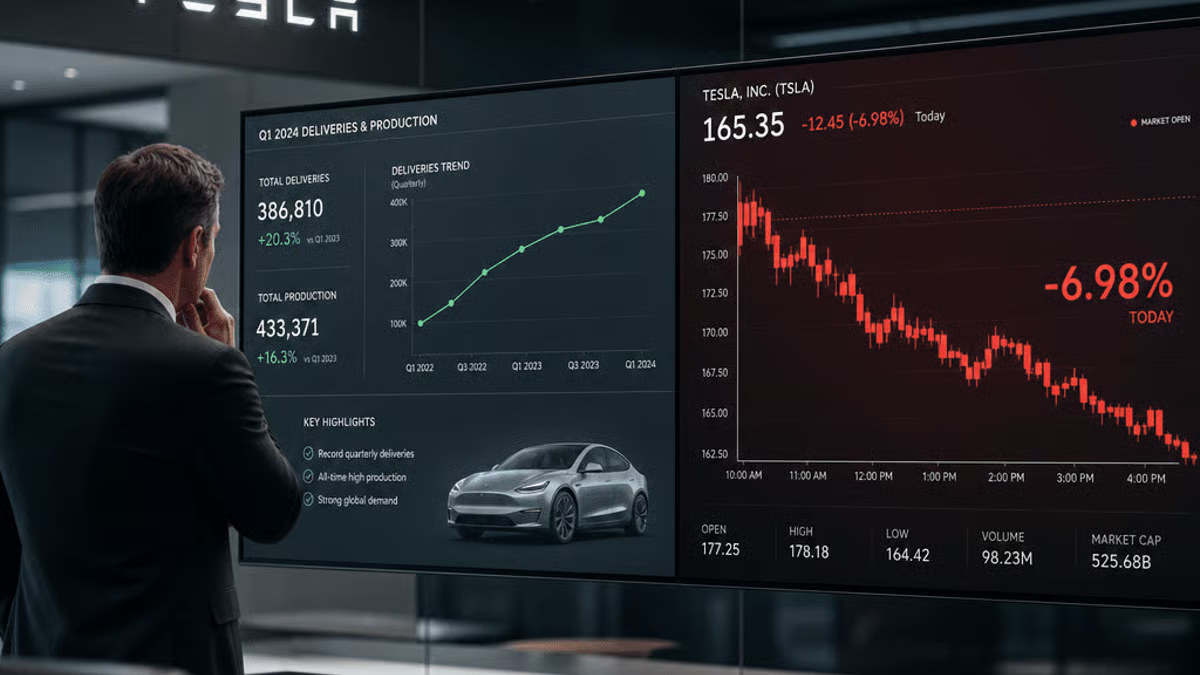
Investors will be watching the upcoming Q2 earnings call closely to see how these massive delivery numbers translate to actual profitability. Tesla’s margins have been under pressure as the price cuts eat into per-vehicle profits, and there’s growing concern that the company is sacrificing long-term pricing power for short-term volume gains.
The competitive implications are significant. BYD, the Chinese EV giant, has been nipping at Tesla’s heels globally, and traditional automakers are finally bringing compelling EVs to market. Tesla’s ability to deliver nearly half a million vehicles in a single quarter demonstrates the scale advantages it’s built over years of production experience, creating a moat that competitors will struggle to cross.
Analysts had been predicting softer Q2 numbers given increasing competition and macroeconomic headwinds. The fact that Tesla blew past expectations suggests the company’s brand strength and charging network advantages are still powerful differentiators, even as the EV market matures and fragments.
The question now is sustainability. Can Tesla maintain this delivery pace while also protecting margins? The company has historically toggled between prioritizing volume and profitability, and investors have whipsawed the stock based on which metric Musk emphasizes in any given quarter. With over 480,000 deliveries in Q2 alone, Tesla is clearly in volume mode, but the financial results will reveal whether that’s a winning strategy or a race to the bottom.
Tesla’s Q2 delivery surge past 480,000 vehicles proves the company can still move metal at scale, even as competition intensifies and prices fall. The real test comes next week when earnings reveal whether this volume growth is building a sustainable business or just buying market share at the expense of profitability. For now, Tesla’s demonstrated it has production capacity and demand that competitors can only dream about, but the EV price war is far from over, and margins matter more than ever.










Leave a Reply