
The European Union’s sweeping transparency rules for artificial intelligence just went live. As of August 2nd, tech companies operating in Europe must now disclose when users are interacting with AI chatbots or viewing AI-generated content, marking the first major enforcement phase of the bloc’s landmark AI Act. The new requirements affect everyone from AI developers like OpenAI to platform giants like Meta, fundamentally changing how AI systems communicate with users across the continent.
Europe just made AI a lot more transparent. The European Union‘s new AI disclosure rules officially took effect on August 2nd, forcing tech companies to clearly label when users are chatting with bots or viewing deepfakes. It’s the first wave of enforceable requirements under the EU AI Act, and it’s already reshaping how AI systems operate across the continent.
The regulations split responsibilities between two groups. AI providers – companies that actually build and market the systems, think OpenAI, Google, or Microsoft – must design their models to clearly signal when humans are interacting with AI. Meanwhile, deployers are the platforms and services that integrate these AI tools into their products. Some companies like Meta fall into both categories, developing their own AI models while also deploying them across Facebook, Instagram, and WhatsApp.
According to the European Commission’s announcement, providers must build disclosure mechanisms directly into their AI systems. That means when you’re messaging with a customer service bot or using an AI assistant, the system itself needs to tell you it’s not human. For deployers, the obligation extends to content labeling – any image, video, or audio that’s been generated or significantly altered by AI needs a visible marker.
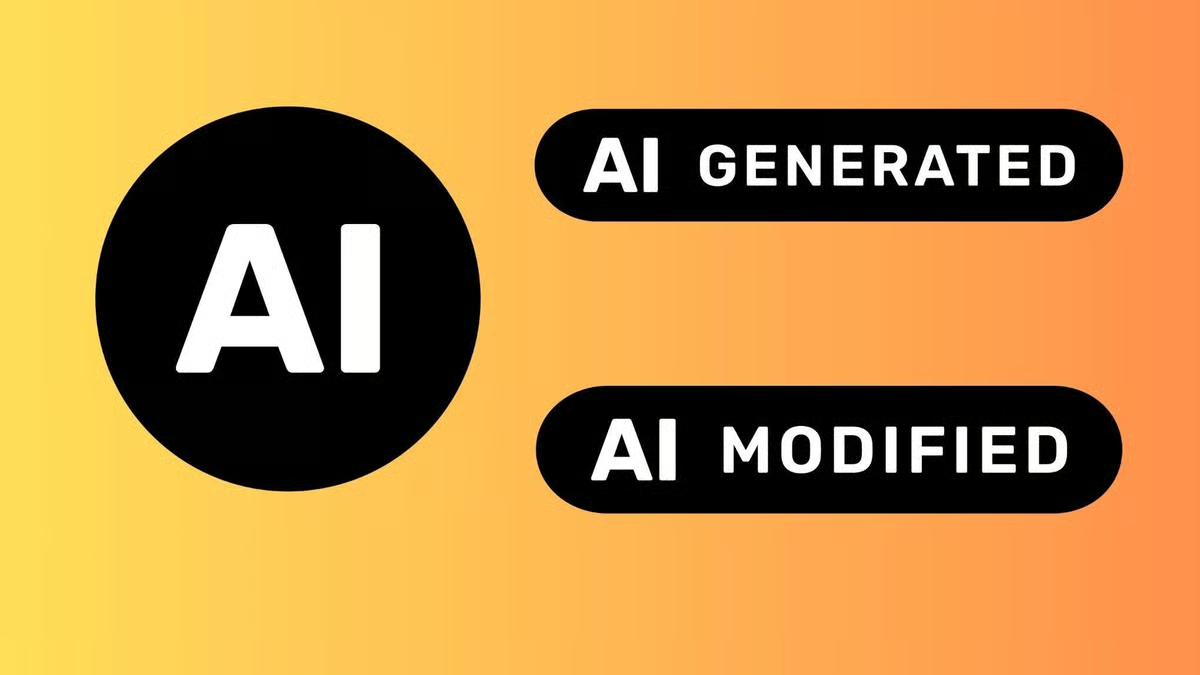
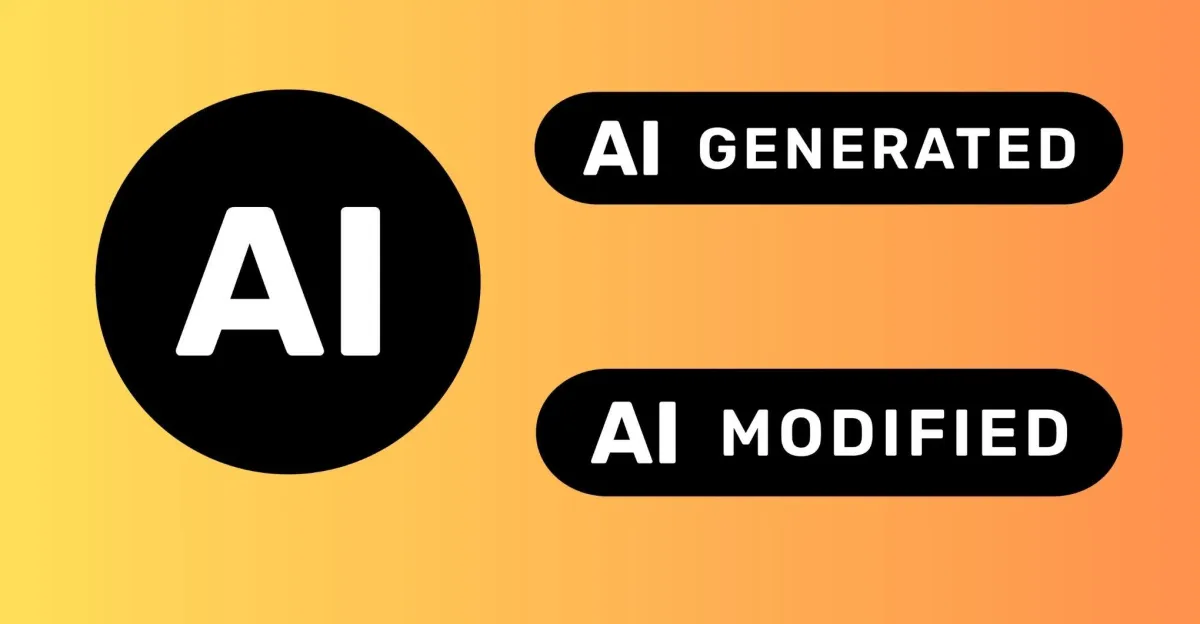
The EU isn’t leaving companies guessing about how to comply. The Commission released a set of standardized icons specifically designed for AI disclosure. There’s a distinctive label for AI-generated content, another for AI-assisted creation, and markers for chatbot interactions. The icons are free for companies to use, though they can design their own as long as they’re equally clear. If enough platforms adopt the EU’s visual language, users could start seeing consistent AI labels whether they’re scrolling through social media or reading news sites.
“If enough companies do adopt the EU’s AI icons then labels should look more consistent across online platforms,” the Commission noted in accompanying guidance materials. The standardized approach mirrors how nutrition labels or recycling symbols work – creating visual shorthand that users can quickly recognize across different contexts.
The transparency push targets a problem that’s been spiraling out of control: AI-generated content that’s indistinguishable from reality. Deepfake videos of politicians, synthetic images flooding social media, chatbots impersonating real people – the technology has outpaced users’ ability to spot what’s artificial. The EU is betting that mandatory disclosure can restore some trust in online content.
For AI companies, the August 2nd deadline means compliance can’t wait. Systems deployed in EU member states need labeling functionality right now. That’s particularly significant for US-based tech giants that generate massive revenue from European users but haven’t always moved quickly on regional regulations. Meta, which operates both as an AI developer through its Llama models and as a deployer through its social platforms, faces obligations on both fronts.
The distinction between providers and deployers creates interesting compliance challenges. A company like Microsoft might provide AI tools through Azure while also deploying AI features in products like Bing or Office. Each role carries different requirements under Article 50 of the AI Act. Providers must ensure their systems can generate disclosure signals, while deployers must ensure those signals actually reach users in clear, visible ways.
Enterprise AI companies are watching closely. The rules don’t just affect consumer-facing products – they extend to business software using AI for tasks like content generation, customer service automation, or data analysis. Any system that creates or modifies content visible to end users in the EU needs to think about labeling requirements.
This rollout represents just the opening phase of the AI Act’s implementation. The transparency obligations are among the first to become enforceable, but more requirements are coming. High-risk AI systems face stricter rules around testing, documentation, and human oversight. The full regulatory framework will phase in over the next two years, with the transparency rules serving as an early test of how companies adapt to AI-specific regulation.
Enforcement mechanisms are still taking shape across EU member states, but the legal framework is now in place. Companies operating without proper AI disclosures risk investigations and potential penalties as national authorities build out their AI Act compliance programs. The European Commission is providing guidance and monitoring implementation, but actual enforcement will happen at the member state level.
The timing puts pressure on AI companies already navigating a patchwork of global regulations. While the EU moves forward with mandatory labeling, the US largely relies on voluntary commitments from tech companies. China has its own evolving AI rules focused on content control and algorithmic transparency. Europe’s approach is distinctly regulatory, treating AI disclosure like a consumer protection issue rather than leaving it to industry self-regulation.
The EU’s transparency rules mark a turning point in how AI systems interact with users. By mandating clear disclosure for chatbots and synthetic content, Europe is forcing the tech industry to make AI visible rather than invisible. For companies, it means immediate compliance work and ongoing attention to how AI features are presented. For users, it promises more clarity about when they’re interacting with machines or viewing generated content. The real test comes next – whether standardized labels actually help people navigate an increasingly AI-saturated digital landscape, and whether other regions follow Europe’s regulatory lead.










Leave a Reply