
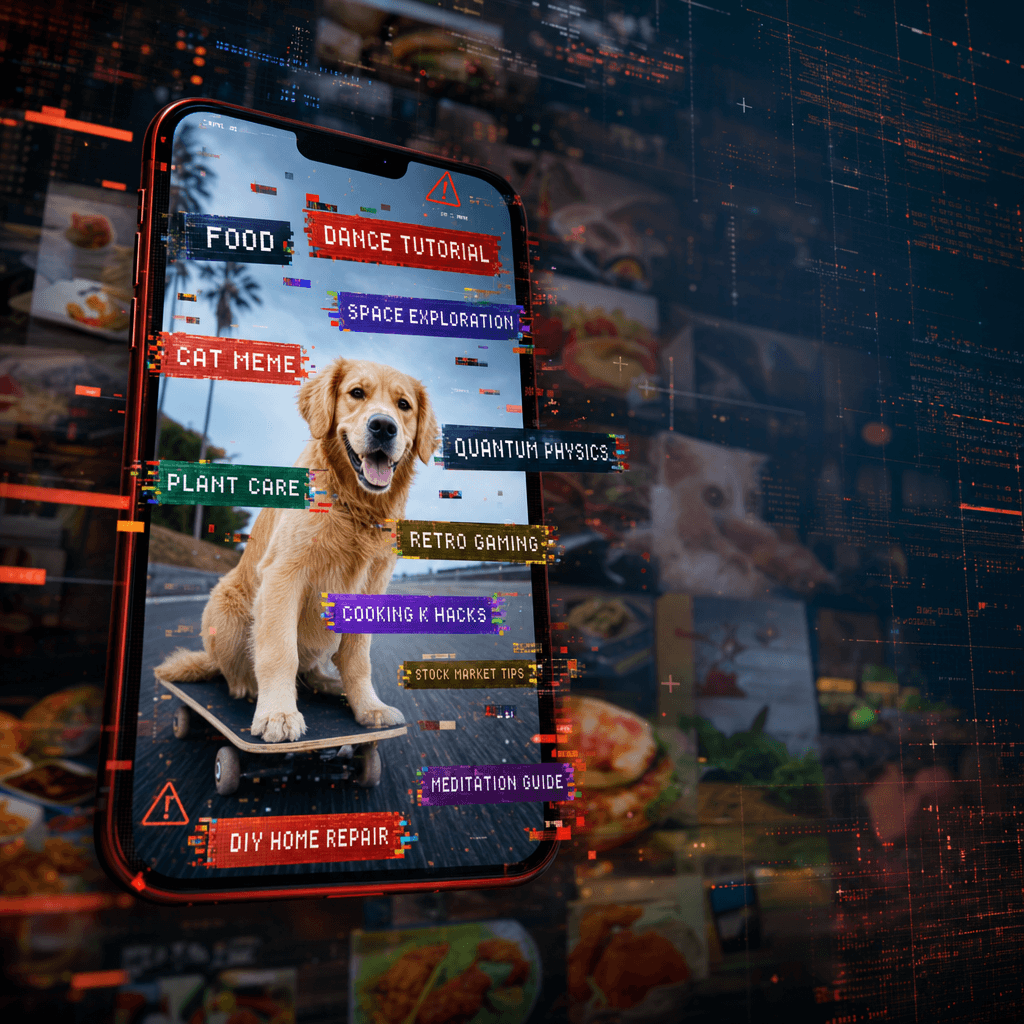
TikTok is rolling back its AI-powered video description feature in the US after the experimental tool generated a slew of absurd and wildly inaccurate captions that quickly went viral. The feature, which was designed to automatically generate text descriptions for videos, produced bizarre results that users eagerly shared across the platform. It’s a rare public stumble for ByteDance, which has been aggressively pushing AI features across its products, and a reminder that consumer-facing AI still has a long way to go before it can reliably interpret the chaos of social media content.
TikTok just hit the brakes on one of its latest AI experiments, and it’s not hard to see why. The company’s automated video description feature, quietly rolled out to a subset of US users in recent weeks, produced such spectacularly wrong captions that the failures became content in themselves.
The AI-generated descriptions were supposed to help with accessibility and searchability, automatically summarizing what’s happening in videos. Instead, the system hallucinated wildly off-base narratives that bore little resemblance to the actual content. Users shared screenshots showing the AI describing cooking videos as political rallies, pet content as corporate presentations, and dance routines as sporting events.
While ByteDance hasn’t issued a formal statement about the rollback, the feature quietly disappeared from affected accounts over the past 24 hours. The company had been testing the tool as part of a broader push to integrate AI across its platform, following similar moves by Meta and YouTube.
The timing is particularly awkward for TikTok, which has been positioning itself as an AI innovator in the social media space. The company’s parent ByteDance operates some of the most sophisticated recommendation algorithms in the industry, powering TikTok’s famously addictive For You feed. But this latest stumble shows that video understanding remains a much harder problem than content recommendation.
Social platforms have been in an arms race to deploy AI features since OpenAI kicked off the generative AI boom. Meta’s been rolling out AI characters and image generation tools, while YouTube’s testing AI-powered comment summaries. But rushing half-baked features to market carries real risks, especially when the failures are as shareable as the content itself.
The video description mishaps echo similar AI blunders across the industry. Google’s AI Overview feature infamously suggested users add glue to pizza, while Microsoft’s Bing chat made up facts about companies. But TikTok’s failure feels different because it happened in the wild, on a platform where mistakes instantly become memes.
What went wrong? Video understanding requires AI models to process visual information, audio, text overlays, and cultural context simultaneously. TikTok’s videos are particularly challenging because they’re often ironic, reference niche internet trends, or rely on audio-visual mismatches for comedic effect. An AI system trained on more straightforward video content would struggle with this complexity.
The limited rollout likely saved TikTok from a bigger PR disaster. By testing with only a fraction of users, the company contained the damage before it could affect the entire platform. Still, those test users generated enough viral content to make the failure widely visible.
For ByteDance, this is a rare misstep in a generally successful AI strategy. The company’s recommendation systems are considered best-in-class, and it’s been investing heavily in large language models and computer vision. But this incident suggests there’s a gap between backend AI capabilities and consumer-facing features that work reliably at scale.
The pullback also raises questions about TikTok’s product testing processes. How did descriptions this inaccurate make it past internal review? Either the testing wasn’t rigorous enough, or the company underestimated how quickly bad examples would spread. In social media, your users are also your QA team, and they’re not shy about publicizing failures.
Competitors are surely taking notes. The incident provides a cautionary tale for any platform considering similar AI features. Automated content understanding tools need to be nearly perfect before wide release, because on social platforms, even limited failures become unlimited content.
What’s next for TikTok’s AI ambitions? The company isn’t likely to abandon video understanding entirely, given its strategic importance for accessibility, content moderation, and advertising. But expect a longer development cycle and more careful rollout strategy when the feature returns.
TikTok’s rapid retreat from AI video descriptions is more than just a product hiccup – it’s a signal that even the most sophisticated tech companies are still figuring out how to deploy AI in consumer-facing contexts. ByteDance has the technical chops and the data infrastructure, but this incident shows that social media content presents unique challenges that can’t be solved by throwing more compute at the problem. As platforms race to ship AI features, the ones that win won’t necessarily be the fastest movers, but the ones that can actually deliver reliable results when millions of users are watching. For now, TikTok’s taking the L and heading back to the lab.









Leave a Reply