
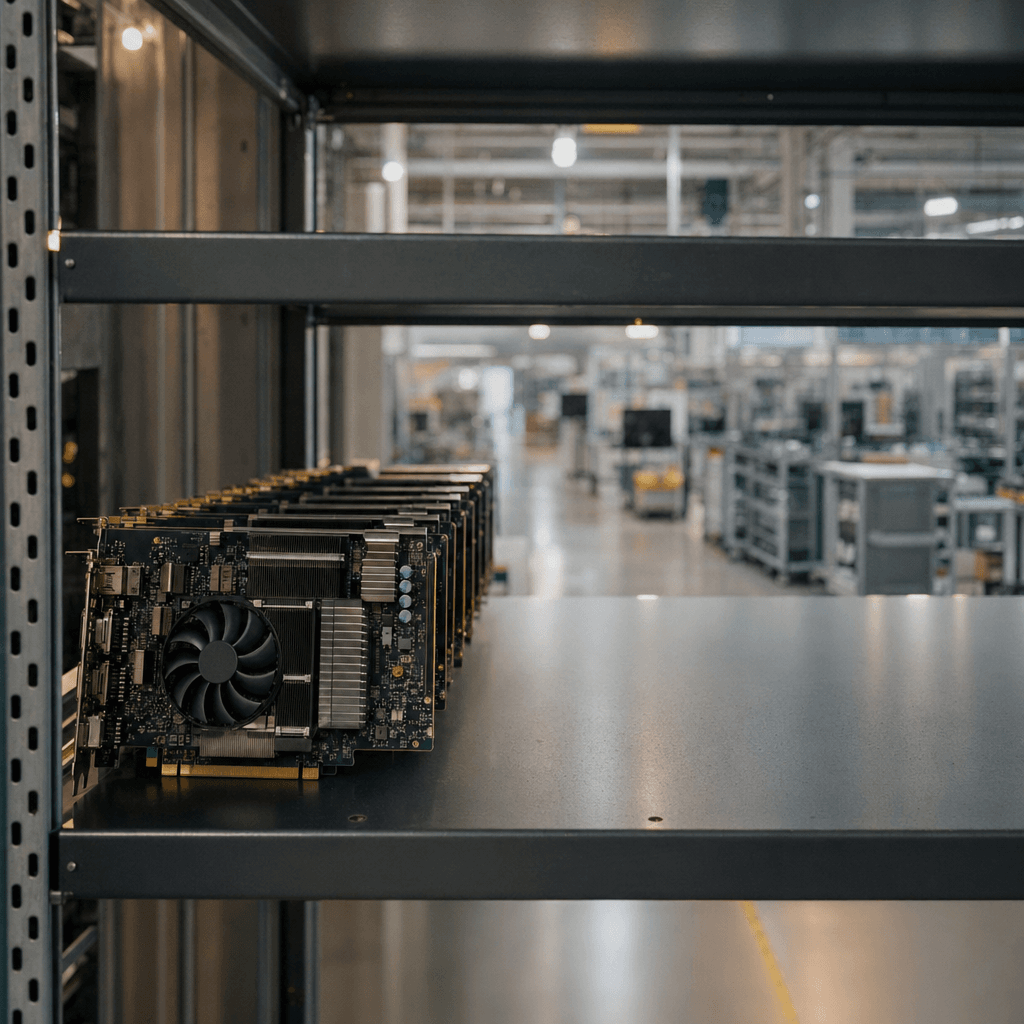
Apple just admitted something rare: it didn’t see this coming. The company revealed it’s facing supply constraints on its Mac mini, Studio, and the new Neo lineup heading into next quarter, caught off-guard by an unexpected surge in demand driven by AI workloads. It’s a striking reversal for a company known for its supply chain mastery, and it signals something bigger – professionals and enterprises are snapping up Macs for AI computing faster than Cupertino anticipated.
Apple doesn’t usually get surprised by demand. But the AI revolution is rewriting the rules, and even Tim Cook’s famously precise supply chain operation is scrambling to keep up.
The Cupertino giant revealed during its latest update that it’s facing supply constraints across its professional Mac lineup – the Mac mini, Mac Studio, and the newly launched Neo – with shortages expected to persist through the next quarter. The culprit? An unexpected wave of buyers snapping up Macs specifically for AI workloads, a use case that apparently exceeded even Apple’s internal projections.
It’s a telling moment for the Mac platform. After years of positioning Apple Silicon as a performance and efficiency play, the M-series chips are proving themselves as legitimate AI workhorses. Developers, researchers, and enterprises are increasingly choosing Macs for training models, running inference, and building AI applications – often picking the higher-end configurations that pack unified memory and neural engine horsepower.
The timing is particularly noteworthy. Apple’s been pushing its on-device AI capabilities with Apple Intelligence, but this demand surge suggests something broader is happening. Professionals aren’t just using Macs to run Apple’s AI features – they’re treating these machines as development platforms for their own AI projects. The Mac Studio and mini, with their ability to configure up to 192GB of unified memory, offer something unique: powerful AI computing that runs quietly on a desk without the heat, noise, and power consumption of traditional workstations.
Apple hasn’t disclosed specific sales figures for the affected models, but supply constraints at this scale hint at significant volume. The company’s historically conservative about ramping production on Pro hardware, preferring to avoid excess inventory. Getting caught short suggests demand spiked well beyond their models.
The Neo, Apple’s latest addition to the Mac lineup, appears to be part of the crunch despite being brand new. Typically, Apple plans new product launches with sufficient inventory buffers, making a supply constraint at launch particularly unusual. It points to either more aggressive demand than anticipated or component allocation challenges as Apple juggles production across its entire product portfolio.
For competitors, this is a warning shot. If professionals are choosing Macs for AI work – traditionally a domain dominated by Linux workstations and Windows machines with NVIDIA GPUs – it validates Apple’s integrated hardware-software approach. The unified memory architecture that seemed like a nice efficiency gain a few years ago now looks prescient for AI workloads, where moving data between CPU, GPU, and dedicated AI accelerators creates bottlenecks.
The supply constraint also raises questions about Apple’s component strategy. The company designs its own silicon but relies on TSMC for manufacturing. If AI demand is surging across the entire Mac Pro lineup, Apple may need to secure additional wafer capacity – no small feat when TSMC is already juggling demand from NVIDIA, AMD, and others riding the AI wave.
Wall Street will be watching Mac average selling prices closely. Supply constraints on higher-end models could actually boost margins in the short term, as buyers willing to wait are typically purchasing premium configurations. But prolonged shortages risk ceding ground to competitors at exactly the wrong moment, as enterprises make buying decisions for AI infrastructure that could lock in platform choices for years.
Apple’s also navigating an interesting competitive dynamic with its own ecosystem. The company offers AI compute through cloud services and has been expanding its data center footprint. But strong Mac sales for AI workloads suggest many developers and companies prefer local compute – either for privacy, cost, or performance reasons. That’s valuable data as Apple maps its broader AI strategy.
The shortage could extend beyond next quarter if demand continues surprising to the upside. Apple typically doesn’t provide specific timeline guidance on supply constraints, preferring to resolve issues quietly. But with AI adoption accelerating and more developers building locally-run models, the tailwind might persist longer than typical product launch spikes.
Apple’s supply crunch is more than a logistics hiccup – it’s a signal that the AI computing landscape is shifting faster than anyone predicted. The company that revolutionized mobile computing with iPhone and reimagined laptops with Apple Silicon now finds itself caught between validation and challenge. Macs are proving themselves as serious AI platforms, but only if Apple can actually deliver them to the professionals and enterprises clamoring to buy. How quickly Cupertino resolves these constraints will determine whether this moment becomes a launching point for Mac’s next era or a missed opportunity in the most consequential platform shift since mobile.








Leave a Reply