
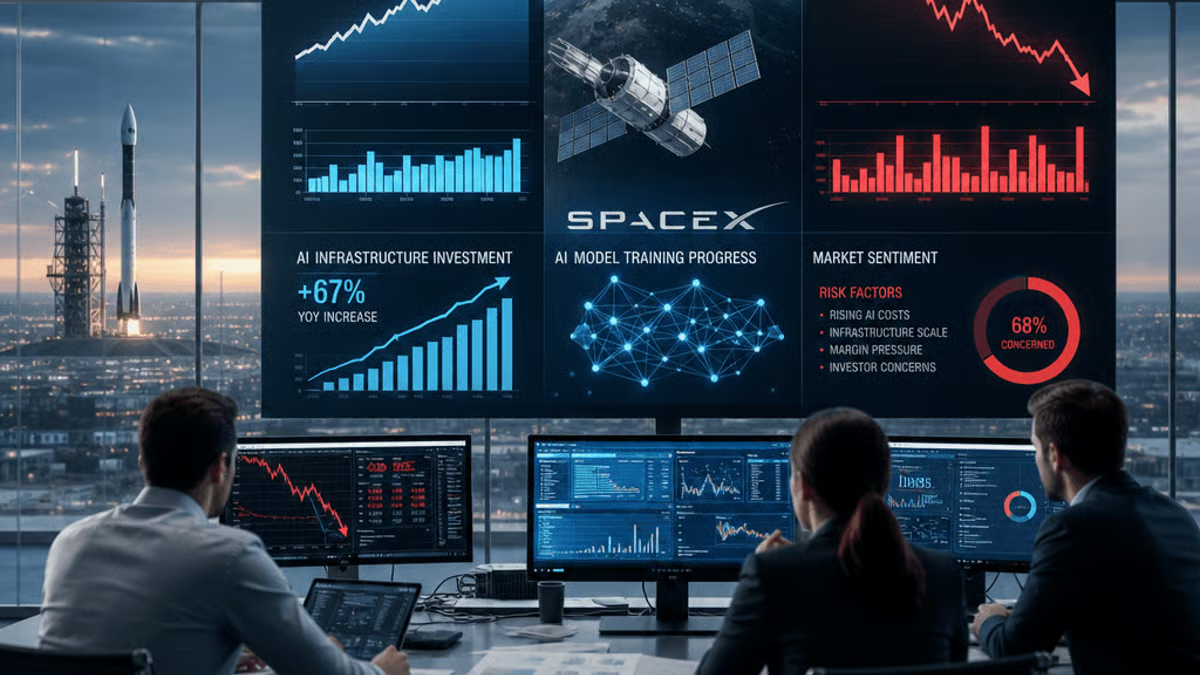
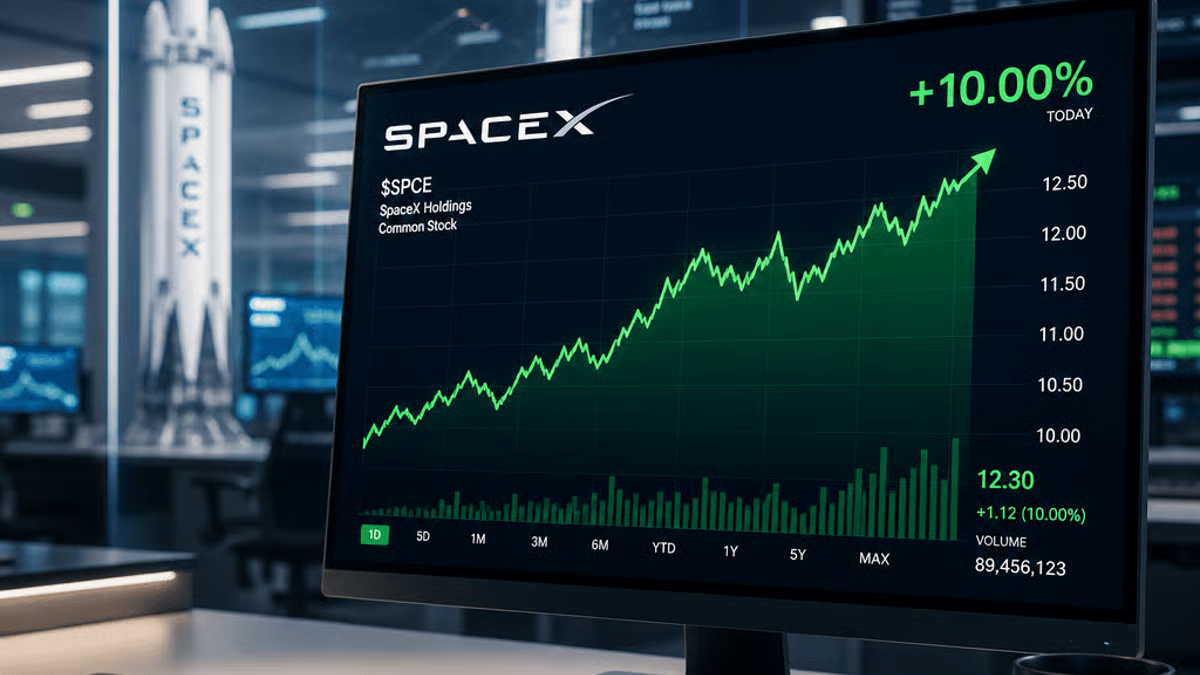
SpaceX shares took an unexpected dive in after-hours trading Tuesday, reversing earlier gains after the company disclosed soaring AI infrastructure costs in its first public earnings report as SPCX. The dramatic reversal caught Wall Street off guard as investors digested the aerospace giant’s aggressive spending on AI capabilities that are reshaping both its Starlink satellite network and internal operations.
SpaceX just gave investors their first real look under the hood, and what they found has them hitting the brakes. The Elon Musk-led aerospace company watched its stock price swing from positive territory into the red Tuesday evening after revealing the true scale of its AI infrastructure investments during its Q2 2026 earnings call.
The reversal is particularly striking given the initial market enthusiasm. SPCX shares had climbed earlier in the session on strong revenue figures from Starlink, the company’s satellite internet service. But that optimism evaporated as executives detailed capital expenditure plans that revealed AI spending running far higher than analysts anticipated.
This marks the first time SpaceX has opened its books to public scrutiny since completing its highly anticipated IPO earlier this year. The company had long operated in the shadows of private markets, but going public meant new transparency requirements, and investors are now grappling with what they’re seeing.
The AI cost surge isn’t coming out of nowhere. SpaceX has been quietly rebuilding its technology stack around machine learning and artificial intelligence for months. From autonomous satellite positioning to predictive maintenance on Starship, AI has become embedded in nearly every operational layer. The company is essentially running two businesses simultaneously: launching rockets and building one of the world’s most sophisticated AI-driven communications networks.
Starlink represents the most visible manifestation of this AI push. The satellite constellation now relies on neural networks to optimize beam positioning, manage network traffic, and predict equipment failures before they happen. It’s a massive technical undertaking that requires significant computing infrastructure both in orbit and on the ground.
But the spending goes deeper. SpaceX is also deploying AI across its manufacturing operations, using computer vision systems to inspect welds and detect microscopic defects in rocket components. The Starship program alone has generated petabytes of flight data that the company is mining with machine learning models to accelerate iteration cycles.
The market reaction reflects a broader tension in tech right now. Investors have watched Microsoft, Google, and Amazon pour tens of billions into AI infrastructure with mixed results. There’s growing skepticism about whether these massive capital outlays will translate into proportional revenue growth, and SpaceX is now facing those same questions.
Wall Street analysts who cover the stock are scrambling to revise their models. The AI spending disclosure changes the profitability timeline for SpaceX, pushing out expectations for when the company will generate the kind of free cash flow investors had been anticipating. That’s particularly concerning given the capital-intensive nature of aerospace to begin with.
The competitive landscape adds another layer of complexity. Amazon‘s Project Kuiper is ramping up its own satellite internet service with heavy AI integration, while traditional aerospace contractors are also investing in autonomous systems. SpaceX may believe it needs to spend aggressively now to maintain its technological edge, but that’s a tough sell to investors watching margins compress.
What makes this situation especially tricky is that the payoff from AI investments often takes years to materialize. SpaceX is asking shareholders to trust that these infrastructure costs will eventually drive operational efficiencies and new revenue streams, but proving that thesis will take time. In the meantime, the quarterly financial pressure is real and immediate.
The after-hours trading action suggests investors aren’t willing to wait patiently. The stock’s reversal indicates a repricing of near-term expectations as the market digests this new information about capital allocation priorities. It’s a reminder that even companies with revolutionary technology can face skepticism when spending accelerates faster than anticipated.
The market’s harsh reaction to SpaceX’s AI spending disclosure marks a pivotal moment for the newly public company. While the long-term strategic logic of investing heavily in AI infrastructure may prove sound, investors are clearly concerned about near-term margin pressure and the uncertain timeline for returns on these investments. How SpaceX navigates this tension between innovation spending and profitability expectations will define its trajectory as a public company and could set the tone for how Wall Street values other space tech firms making similar AI bets. The coming quarters will reveal whether management can articulate a compelling enough vision to win back investor confidence, or if the stock will continue facing pressure until those AI investments start delivering measurable financial results.





Leave a Reply