
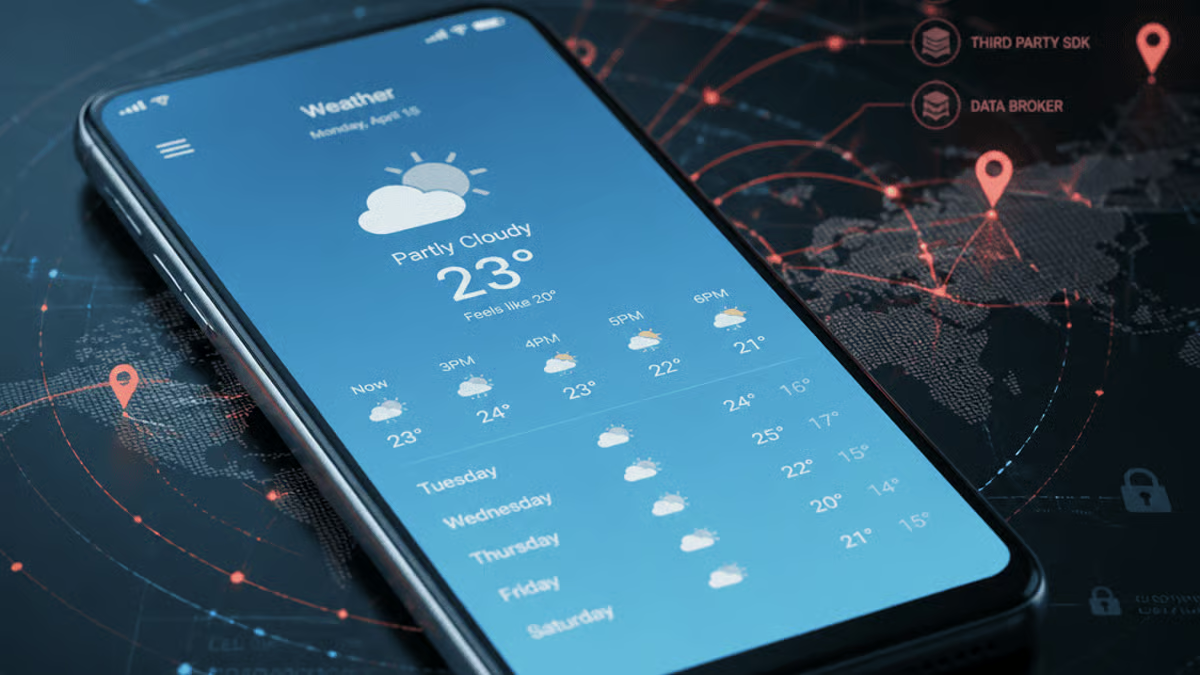
Android app developers are inadvertently exposing millions of users’ location data to advertisers through third-party code libraries, according to new research from the Electronic Frontier Foundation. The findings reveal a troubling blind spot in mobile app development where software development kits quietly siphon user location information the moment apps receive permission, often without developers’ knowledge or explicit consent.
Google‘s Android ecosystem just got hit with a privacy wake-up call. The Electronic Frontier Foundation dropped research this week exposing how third-party software development kits are turning innocent weather apps and fitness trackers into location surveillance tools, and the developers building these apps might not even know it’s happening.
The problem lives in the murky world of third-party SDKs – those pre-packaged code libraries developers drop into their apps to handle advertising, analytics, and user tracking. When an Android user grants location permission to an app, they’re thinking they’re sharing data with that specific weather service or running tracker. What they don’t realize is that multiple third-party libraries embedded in that app can also access that permission, creating a hidden pipeline of location data flowing to advertisers and data brokers.
Electronic Frontier Foundation researchers analyzed common SDK implementations across popular Android applications and found that location data collection often happens automatically once permission is granted, with minimal transparency to either developers or end users. The organization’s findings paint a picture of an ecosystem where the actual data practices of an app extend far beyond what its creators intended or understood.
This isn’t just a theoretical privacy concern – it’s a business model. Data brokers have built entire industries around aggregating location information from multiple sources, creating detailed movement profiles that get sold to advertisers, retailers, and increasingly to government agencies. When a developer integrates an advertising SDK to monetize their free meditation app, they might be unknowingly becoming a data supplier for this massive surveillance apparatus.
The timing couldn’t be more sensitive. Privacy regulations like GDPR in Europe and CCPA in California have made location data one of the most legally protected categories of personal information. But enforcement remains spotty, and the complexity of third-party SDK behavior creates plausible deniability. Developers can claim ignorance about data practices they didn’t directly code, while SDK providers hide behind terms of service most developers never fully read.
Google has made moves to tighten Android’s privacy controls with permission systems that require explicit user consent and temporary access grants. But these safeguards operate at the app level, not the SDK level. Once an app has location permission, there’s limited visibility into which third-party code libraries are accessing that data and what they’re doing with it.
Security researchers have been sounding alarms about SDK behavior for years, but the EFF‘s latest work adds new urgency by demonstrating just how widespread the practice has become. The organization found that some of the most commonly used advertising and analytics SDKs immediately begin collecting location data upon integration, with collection happening in the background even when not strictly necessary for the SDK’s advertised functionality.
The developer community is caught in a difficult position. Small app studios and independent developers rely on third-party SDKs because building custom advertising, analytics, and payment systems from scratch is prohibitively expensive and time-consuming. But that dependency comes with hidden costs – both in terms of user trust and potential legal liability as privacy regulations tighten.
Some developers are responding by conducting more thorough audits of third-party code before integration, using tools that monitor network traffic and data access patterns. But this requires technical expertise and resources many smaller developers don’t have. The power imbalance benefits large SDK providers who can embed data collection practices deep in their code, knowing most developers won’t have the capability to fully scrutinize what they’re integrating.
The broader implications extend beyond individual apps. This research reveals how mobile ecosystems have evolved into complex data supply chains where user information passes through multiple hands, often without clear accountability. When a privacy breach occurs or user data ends up in unexpected places, it becomes nearly impossible to trace the path or assign responsibility.
Privacy advocates are pushing for new technical standards that would require SDKs to declare their data practices in machine-readable formats that app stores and developer tools could automatically audit. Google has introduced data safety labels in the Play Store, but these rely on developer self-reporting and don’t provide granular visibility into third-party SDK behavior.
The cat-and-mouse game between privacy protections and data collection techniques continues to accelerate. As platform makers add new restrictions, SDK providers find creative workarounds. The Electronic Frontier Foundation‘s research suggests that truly protecting user privacy will require not just better permission systems, but fundamental changes to how mobile app ecosystems handle third-party code integration.
The EFF‘s findings expose an uncomfortable truth about modern mobile apps – they’re rarely just the product of their named developers anymore. Every app is a collection of third-party services, each with its own data appetite and business model. For users, the lesson is sobering: granting location permission to an app means granting it to a network of companies you’ve never heard of. For developers, it’s a call to scrutinize not just their own code but everything they’re integrating. And for Google, it’s mounting pressure to build SDK-level privacy controls that match the sophistication of the data collection happening on their platform. As privacy regulations tighten worldwide, the days of invisible data harvesting through third-party code may finally be numbered – but change won’t come without sustained pressure from researchers, advocates, and increasingly privacy-conscious users.











Leave a Reply