
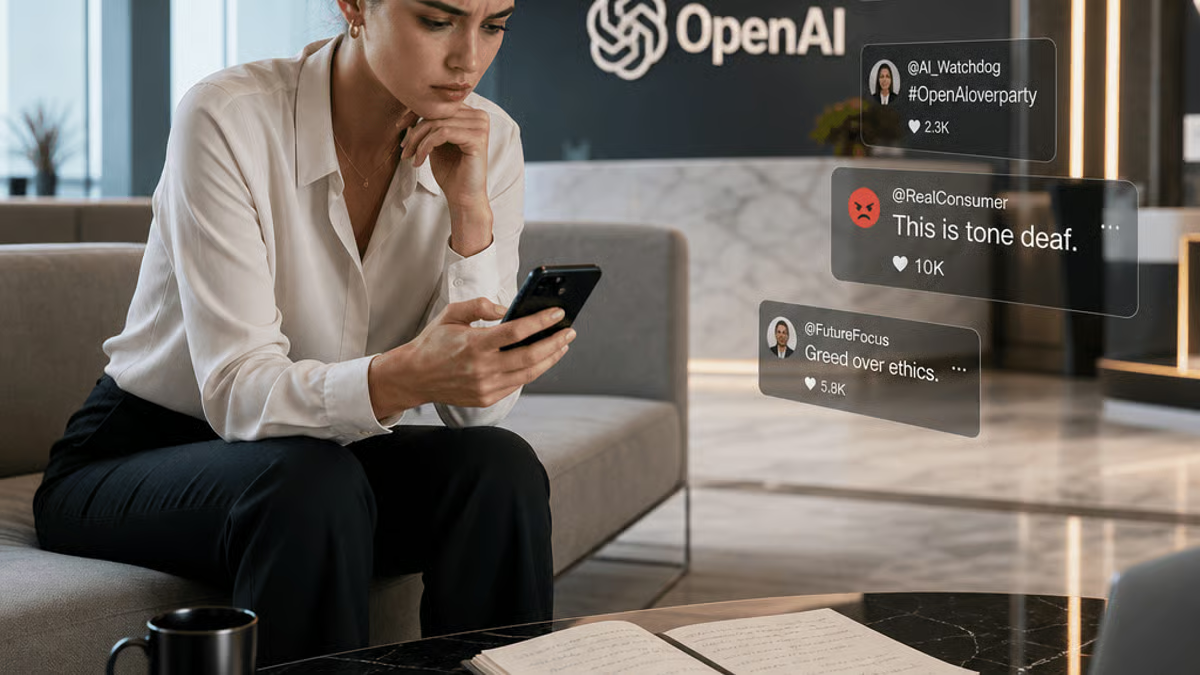
OpenAI is facing mounting criticism after hosting its first-ever luxury influencer trip, a bold marketing move that’s drawing sharp backlash across social media. The company, known for ChatGPT and advanced AI models, invited select content creators to an exclusive brand experience at a time when public tensions over AI’s impact on creative industries remain at an all-time high. The timing couldn’t be worse – as artists, writers, and workers express growing concerns about AI replacing human jobs, OpenAI’s decision to wine and dine influencers feels tone-deaf to many observers.
OpenAI just learned a hard lesson about reading the room. The AI giant’s debut influencer brand trip has triggered a wave of criticism that highlights the growing divide between Silicon Valley’s marketing playbook and public sentiment around artificial intelligence.
The company invited a group of social media influencers to what appears to be a luxury experience designed to showcase its products and build buzz among consumer audiences. But the move backfired spectacularly, with critics across platforms questioning why OpenAI would spend resources on lavish influencer junkets while concerns about AI’s impact on creative workers continue to intensify.
According to TechCrunch, the backlash has been swift and severe. Artists, writers, and other creative professionals – many of whom view AI tools as an existential threat to their livelihoods – saw the trip as emblematic of tech companies’ disconnect from the real-world consequences of their products.
The timing couldn’t be more awkward for OpenAI. Just as the company attempts to position itself as a consumer-friendly brand beyond its enterprise roots, it’s running headlong into the cultural tensions its technology has helped create. Recent months have seen strikes, protests, and vocal opposition from creative guilds worried about AI-generated content replacing human work.
This isn’t just bad optics – it represents a fundamental miscalculation about where public opinion sits on AI adoption. While OpenAI has successfully courted enterprise clients and developers, extending that same playbook to consumer marketing through influencer partnerships reveals how little the company understands the broader cultural moment.
The influencers who attended are now facing their own reckoning. Several have been called out by their followers for accepting the invitation, with critics arguing that promoting AI tools actively harms the creative community. It’s a reminder that brand partnerships aren’t consequence-free, especially when the company in question sits at the center of an ongoing cultural debate.
Some observers note this marks a significant evolution in OpenAI‘s marketing approach. The company has historically relied on product launches and developer evangelism rather than traditional consumer marketing tactics. The shift to influencer trips suggests OpenAI is trying to reach mainstream audiences – but this first attempt suggests they’ve got a lot to learn about consumer sentiment.
The backlash also underscores how different the AI conversation has become in 2026 compared to just a year or two ago. What started as excitement about ChatGPT’s capabilities has evolved into serious concerns about displacement, copyright, and the future of creative work. Companies can’t simply market their way past those concerns with luxury experiences and social media buzz.
For competing AI companies watching this unfold, there’s a clear lesson: consumer marketing in this space requires extreme sensitivity to the ongoing debates about AI’s societal impact. Anthropic, Google, and others will likely think twice before attempting similar influencer strategies.
The incident also raises questions about OpenAI’s broader strategy as it tries to maintain its position as the leading consumer-facing AI company. With competition intensifying from Google’s Gemini and other models, OpenAI needs to expand its user base – but this stumble shows that traditional tech marketing tactics may not translate well to the AI space.
What remains unclear is whether OpenAI will respond to the criticism or simply wait for the news cycle to move on. The company has been notoriously tight-lipped about its marketing strategies and rarely engages with public criticism directly.
OpenAI’s influencer trip debacle reveals a company struggling to navigate the cultural politics of AI adoption. As the technology moves from enterprise tool to consumer product, marketing missteps like this one carry real consequences – both for brand perception and for the broader conversation about AI’s role in society. The backlash serves as a warning to the entire AI industry that flashy marketing tactics won’t paper over legitimate concerns about displacement and ethics. For OpenAI, the challenge now is whether it can learn from this mistake and find more authentic ways to connect with consumers who remain deeply ambivalent about AI’s impact on their lives and livelihoods.






Leave a Reply