
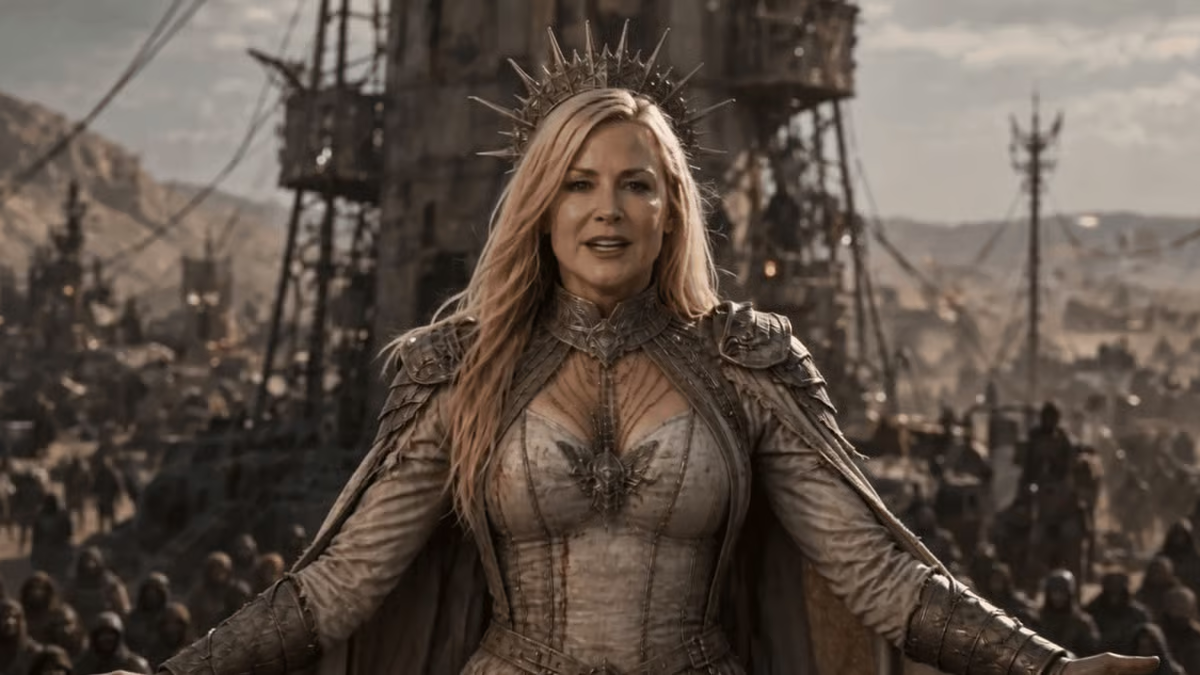
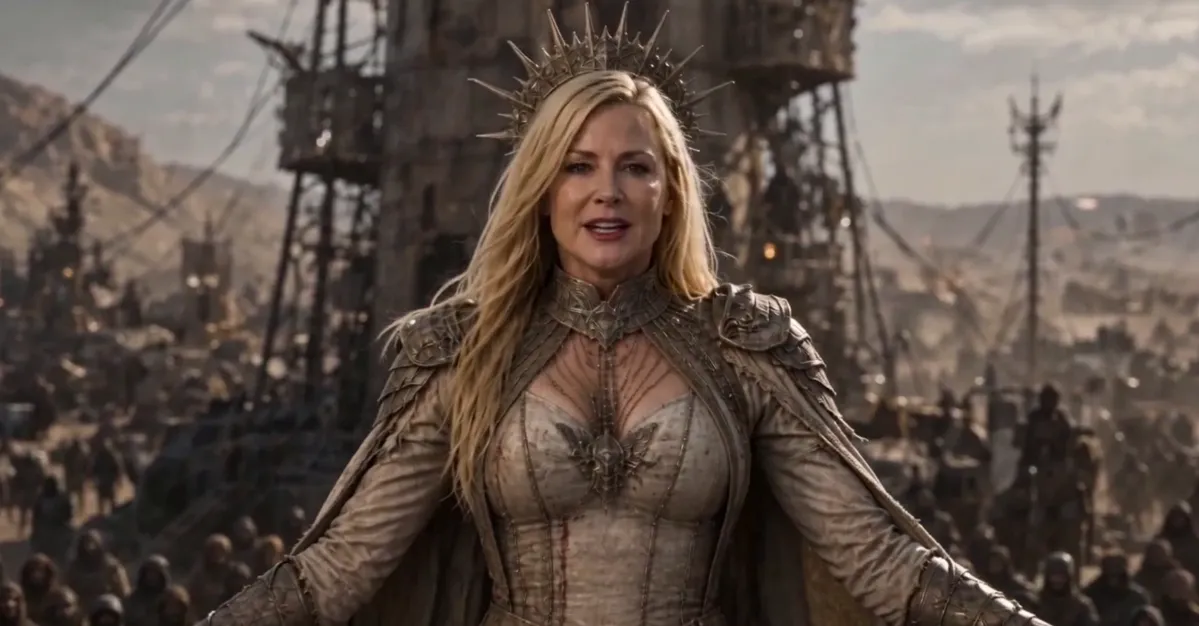
A new player just entered the AI copyright battlefield with a radically different playbook. Pippa, a text-to-video AI startup, is launching with a promise that’s sent ripples through the creator economy: pay artists royalties for training data instead of scraping it without permission. The move comes as illustrators wage legal war against giants like Google and Meta over unauthorized use of their work, raising a question that could reshape the entire generative AI industry – can compensation alone convince artists to embrace the technology that many see as an existential threat?
The generative AI industry has a reputation problem, and Pippa thinks it has the solution. While OpenAI, Google, and Meta have spent months in court defending their right to train models on copyrighted material without permission, this newcomer is taking the opposite approach – actually paying the artists whose work powers its algorithms.
It’s a calculated gamble that goes straight to the heart of AI’s most contentious debate. Illustrators and creators have spent years arguing that training AI models on their work without consent or compensation is theft, plain and simple. Industry defenders have countered that such training constitutes fair use and that restricting it would cripple innovation. According to arguments made by OpenAI to the Trump administration, limiting training data access could cause the U.S. to lose the AI race to China.
But that reasoning hasn’t stopped the lawsuits from piling up. Artists recently launched coordinated legal action against Google, Meta, and Anthropic, seeking damages for what they characterize as systematic copyright infringement at massive scale. The cases could take years to resolve and potentially billions in damages are at stake.
Pippa is betting there’s another path forward. Like most text-to-video platforms, the company’s core product generates short video clips from text prompts – the kind of content creators cobble together for social media, marketing materials, or creative projects. But unlike competitors who’ve trained their models by hoovering up whatever they could find online, Pippa claims to have built its dataset through licensed partnerships with artists who receive ongoing royalties.
The model resembles how Spotify or Apple Music compensate musicians, though the economics of AI training create different dynamics. Where streaming services pay per play, AI training involves a one-time ingestion of creative work that then influences countless generations. How exactly Pippa structures those payments – whether as upfront licensing fees, per-generation micropayments, or percentage-based royalties – remains unclear from public statements.
What’s clear is that Pippa joins a growing wave of startups marketing themselves as the ethical alternative to Big Tech’s approach. Companies are increasingly positioning artist compensation as a competitive advantage, wagering that creators and brands will pay premium prices for AI tools that don’t come with legal baggage or ethical complications.
But skeptics wonder whether payment alone addresses artists’ fundamental concerns. Many creators aren’t just angry about missing compensation – they object to AI systems learning from and mimicking their distinctive styles, potentially replacing them in the market. A royalty check doesn’t solve that problem if the AI still generates work that competes directly with the original artist’s livelihood.
The timing of Pippa’s launch is strategic. As legal battles drag on and Congress debates potential AI copyright legislation, the window is opening for alternative business models to gain traction. Brands increasingly face pressure from creators and consumers to use ethically-sourced AI, creating market incentives that didn’t exist when the first generation of tools launched.
Still, the fundamental economics remain challenging. Training competitive AI models requires massive datasets – millions of images, videos, or text samples. Licensing all that content at fair market rates could make the cost structure prohibitive compared to competitors who simply scrape the web and deal with lawsuits later. That’s the calculation that led giants like Meta and Google down their current path in the first place.
Pippa will need to prove its model can deliver video quality competitive with the likes of OpenAI’s Sora or Google’s Veo while maintaining the cost structure to compete on price. Early users will be watching closely to see whether ethical sourcing comes with trade-offs in output quality or generation speed.
The broader industry is watching too. If Pippa succeeds in building a sustainable business around compensated training data, it could force larger players to reconsider their approaches – or at least face harder questions about why they won’t follow suit. If it struggles to gain traction, expect AI giants to cite it as evidence that compensation models don’t work at scale.
Pippa’s artist compensation model represents more than just a business strategy – it’s a test case for whether the AI industry can build a sustainable peace with the creative community. The answer will depend on factors beyond just payment: whether the economics actually work at scale, whether artists feel genuinely protected rather than just paid off, and whether consumers and businesses care enough about ethical sourcing to vote with their wallets. As copyright lawsuits grind through the courts and legislative debates intensify, Pippa’s experiment could chart a path forward or serve as a cautionary tale about the limits of trying to solve complex ethical questions with simple financial transactions.






Leave a Reply