
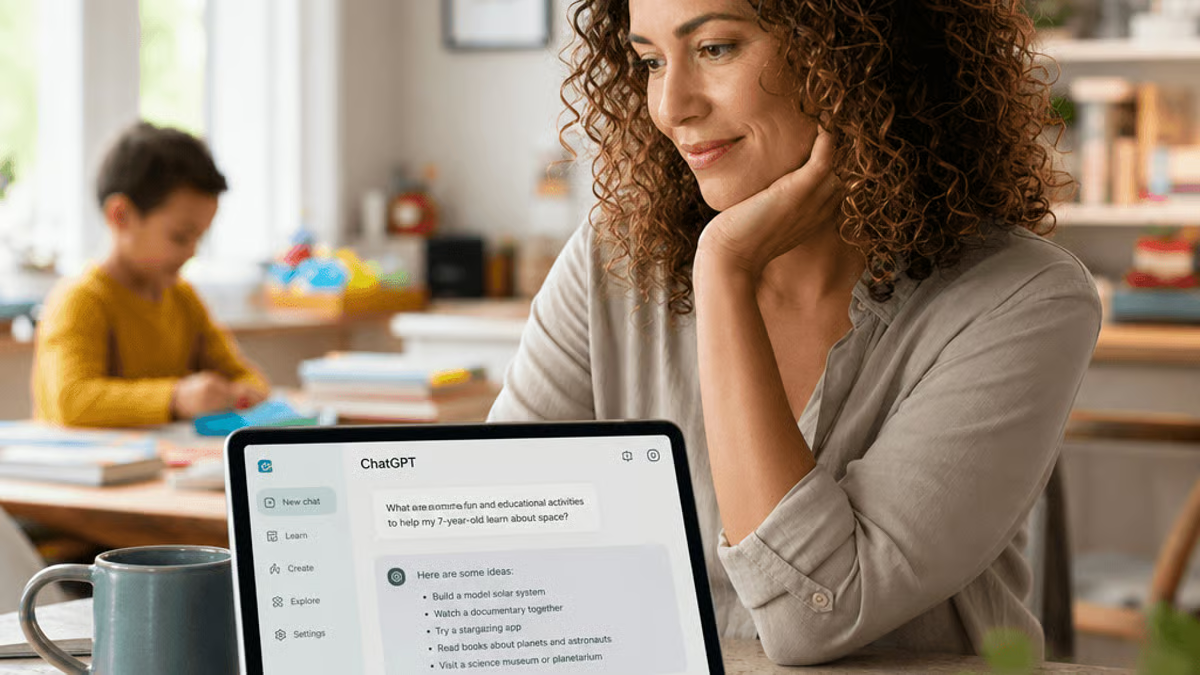
OpenAI CEO Sam Altman is back championing ChatGPT as a parenting tool, describing what he calls a “cool use case” for parents navigating child-rearing challenges. The pitch, shared via social media today, reignites ongoing debates about AI’s role in family life and whether algorithmic advice should supplement – or potentially replace – traditional parenting resources and human judgment.
OpenAI CEO Sam Altman is once again evangelizing ChatGPT’s potential as a parenting companion, promoting the AI chatbot as a go-to resource for parents seeking child-rearing guidance. The executive appeared enthusiastic about sharing what he described as a “cool use case” for parents, though the specifics of the demonstration remain unclear.
The pitch represents OpenAI’s continued effort to position ChatGPT beyond workplace productivity and into intimate corners of daily life. While the company has successfully penetrated enterprise markets and creative workflows, the domestic sphere – particularly parenting – represents untapped consumer territory where competitors like Google and Anthropic are also jockeying for position.
This isn’t Altman’s first rodeo promoting AI-assisted parenting. The CEO has previously suggested ChatGPT could help with everything from explaining complex topics to kids to managing behavioral challenges. But the timing of today’s comments is notable. OpenAI just wrapped a turbulent quarter marked by safety concerns and executive departures, making the pivot to feel-good consumer applications strategically convenient.
The parenting tech market is enormous but fraught with complications. Apps like Cleo and Winnie have raised millions helping parents track developmental milestones and find childcare, yet none have cracked the code on AI-powered advice at scale. The challenge isn’t technical capability – it’s trust. Parents want reassurance, not hallucinated pediatric guidance or algorithmic overconfidence about disciplines where nuance matters deeply.
Critics quickly surfaced concerns about OpenAI’s parenting pitch. Child development experts have warned that large language models, while impressive at pattern matching, lack the contextual understanding required for individualized parenting advice. A chatbot doesn’t know your kid’s temperament, your family’s values, or the subtle cues that inform good parenting decisions. It knows statistical patterns from internet text.
The commercial calculus is clear though. If OpenAI can convince even a fraction of the world’s parents that ChatGPT belongs in their daily routine – answering questions about toddler tantrums, helping with homework explanations, or drafting bedtime stories – the subscriber base could explode. The company’s ChatGPT Plus tier, at $20 monthly, targets exactly this kind of lifestyle integration.
Competitors aren’t sitting idle. Google’s Gemini and Anthropic’s Claude are both positioning themselves as safer, more thoughtful AI assistants. Anthropic in particular has emphasized constitutional AI principles that might resonate with parents wary of unfiltered outputs. The race is on to become the default AI in American households.
But OpenAI has first-mover advantage and brand recognition. ChatGPT is already a household name in a way Claude isn’t yet. Altman’s public evangelism, however controversial, keeps the product in headlines and dinner table conversations. That’s worth more than any ad campaign.
The regulatory landscape complicates matters. As AI tools creep into sensitive domains like healthcare, education, and now parenting, lawmakers are paying attention. European regulators have already signaled concern about AI applications affecting children, and the U.S. could follow. OpenAI will need to navigate these waters carefully as it courts parent users.
What remains unclear is whether Altman’s “cool use case” involves new features or simply repackaging existing ChatGPT capabilities with parenting-focused marketing. The company has been iterating rapidly on voice mode and multimodal features that could theoretically help parents juggling kids and chaos. Imagine asking ChatGPT to identify a rash from a photo or troubleshoot why your toddler won’t sleep – practical applications that blur lines between convenience and medical advice.
The backlash to AI parenting tools reflects broader anxieties about technology replacing human connection. Parents already feel bombarded by screen time guilt and digital distraction. Introducing AI into the parent-child relationship – even as a supplemental resource – triggers fears about outsourcing emotional labor to algorithms.
Altman’s parenting pitch underscores OpenAI’s ambition to embed ChatGPT into every facet of daily life, from boardrooms to nurseries. But the move into such intimate territory raises stakes considerably. Get it right, and the company unlocks a massive consumer market while genuinely helping overwhelmed parents. Get it wrong – with bad advice, privacy breaches, or developmental harm – and the backlash could dwarf any previous AI controversy. For now, parents will need to decide whether algorithmic assistance is a welcome relief or one more thing to worry about. What’s certain is that OpenAI is betting big that convenience will trump caution, and that ChatGPT’s next frontier isn’t the office, it’s the kitchen table.









Leave a Reply