
Microsoft just delivered a harsh reality check on AI’s environmental cost. The company’s carbon emissions surged 25 percent in 2025 to 34 million metric tons, according to its 2026 sustainability report released this week. The culprit? An aggressive datacenter buildout to power AI workloads, combined with a controversial policy shift that stopped counting certain renewable energy credits. It’s a stark admission that threatens the tech giant’s ambitious pledge to go carbon-negative by 2030.
Microsoft is running headfirst into the collision between AI ambition and climate reality. The company’s 2026 sustainability report, first reported by GeekWire, reveals carbon emissions climbed 25 percent year-over-year to hit 34 million metric tons in 2025. That’s a massive step backward for a company that set out in 2020 to become carbon-negative by 2030, meaning it would need to remove more carbon from the atmosphere than it produces.
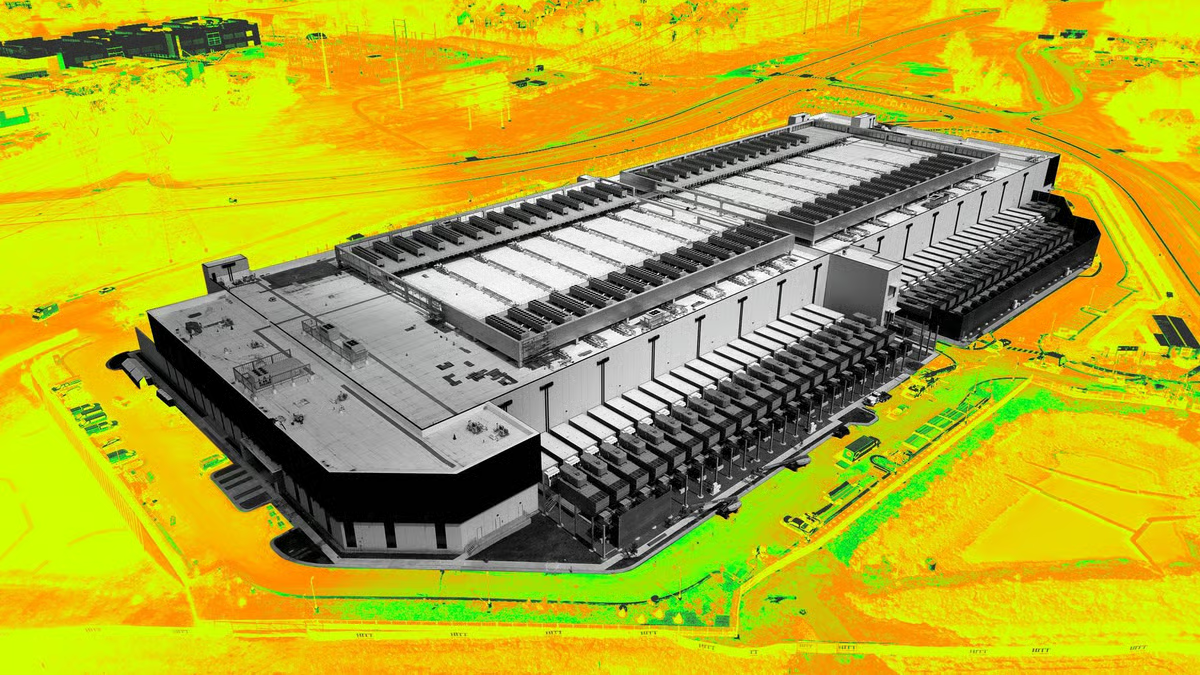
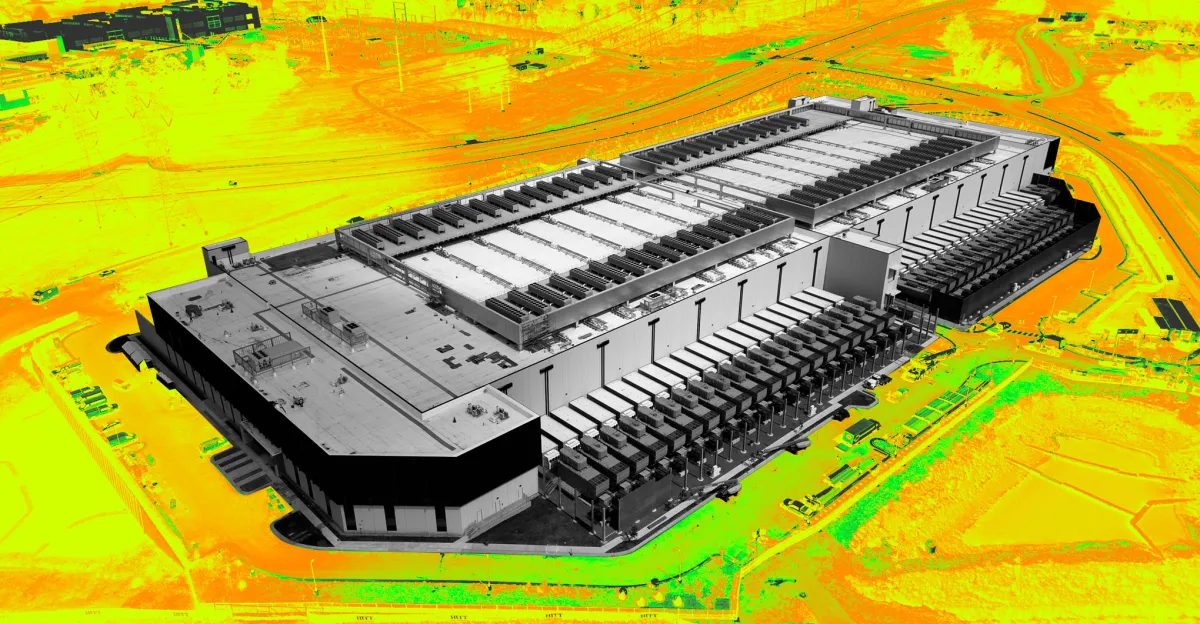
The primary driver? Datacenter infrastructure expansion. As Microsoft races to meet surging demand for AI compute—fueled by everything from Azure OpenAI services to its Copilot products—it’s been forced to build out massive new facilities at a breakneck pace. Each new datacenter means more servers, more cooling systems, and crucially, more electricity consumption. And despite commitments to renewable energy, the sheer scale of growth is outpacing green energy adoption.
But there’s another twist in the story. According to the sustainability report, Microsoft made a strategic decision in February 2025 to stop purchasing “non-additional, unbundled renewable energy certificates.” These RECs are essentially paper credits companies buy to offset their carbon footprint without necessarily changing their actual energy consumption. Microsoft argued these certificates don’t represent new renewable energy projects coming online—they’re just accounting tricks. While the move signals a commitment to more legitimate carbon reduction, it also stripped away a key tool the company used to hit its climate targets on paper.
The result is a more honest, but far grimmer picture. Without those select interventions, Microsoft’s carbon footprint ballooned. It’s a candid acknowledgment that previous sustainability wins may have been more about creative accounting than genuine emissions cuts.
Microsoft isn’t alone in this bind. The entire tech industry is grappling with AI’s energy appetite. Training large language models requires enormous computational power, and running inference at scale for millions of users compounds the problem. Google, Amazon, and Meta are all facing similar tensions between their AI buildouts and climate commitments. But Microsoft’s 25 percent jump stands out as one of the sharpest year-over-year increases disclosed by a major tech player.
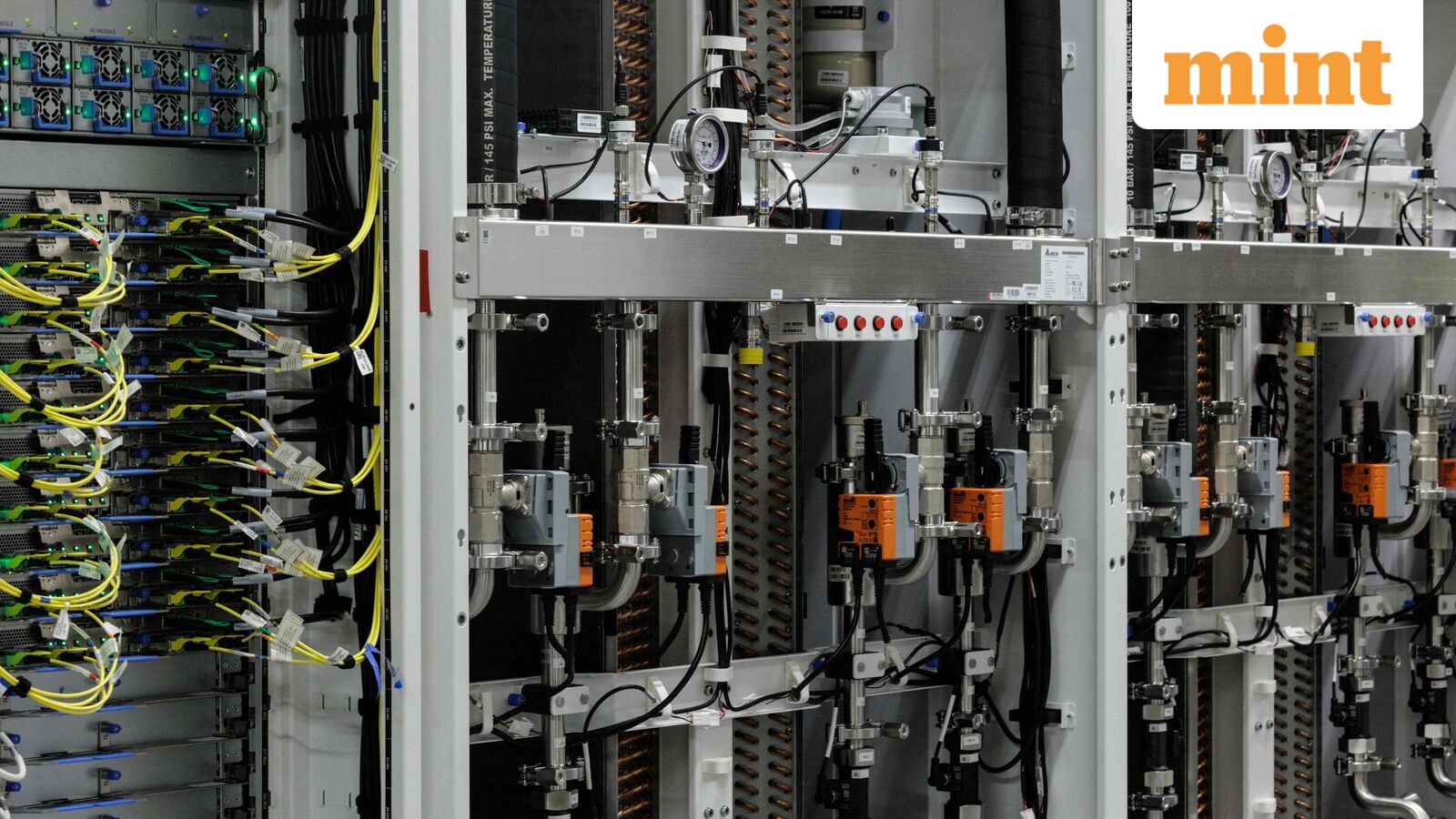
The datacenter boom shows no signs of slowing. Microsoft continues to invest billions in new facilities globally, from expansions in northern Virginia to massive projects in Europe and Asia. Each facility is designed to support the next generation of AI workloads, which are only getting more demanding. The company has touted innovations like liquid cooling and sustainable datacenter designs, but even those efficiency gains can’t offset the raw growth in infrastructure.
Industry watchers are now questioning whether Microsoft’s 2030 carbon-negative goal is still achievable. Reaching that target would require not just halting emissions growth, but actively reversing it—while simultaneously scaling AI infrastructure. The company has invested in carbon capture technology and reforestation projects, but the math is getting harder to justify.
What makes this particularly striking is the transparency. By dropping the unbundled RECs and publishing these stark figures, Microsoft is essentially admitting that its previous approach wasn’t working. That’s rare in an industry where sustainability reports often emphasize marginal improvements and creative metrics. But it also raises uncomfortable questions about what comes next. If the company can’t reconcile AI growth with climate goals using current methods, something has to give.
The timing couldn’t be more awkward. As governments worldwide tighten regulations around corporate carbon reporting and environmental accountability, tech giants are under increasing scrutiny. Investors are asking harder questions about how AI investments square with ESG commitments. And customers, particularly enterprise clients, are demanding cleaner cloud infrastructure.
For now, Microsoft appears to be betting it can innovate its way out of the problem—investing in next-generation nuclear reactors, advanced carbon capture, and more efficient chip designs. But with emissions trending sharply in the wrong direction and only four years until its 2030 deadline, the window for a turnaround is narrowing fast.
Microsoft’s 25 percent emissions spike crystallizes the fundamental tension at the heart of the AI revolution. The industry promised both transformative AI capabilities and environmental responsibility, but those goals are proving harder to reconcile than anyone expected. As datacenter construction accelerates and energy demands multiply, tech giants face a moment of reckoning. Microsoft’s decision to drop questionable carbon credits and publish unflattering numbers shows a willingness to confront the problem honestly—but honesty alone won’t bend the emissions curve. The next few years will reveal whether the company can engineer a viable path forward, or if its carbon-negative dream was always incompatible with the scale of its AI ambitions.









Leave a Reply