
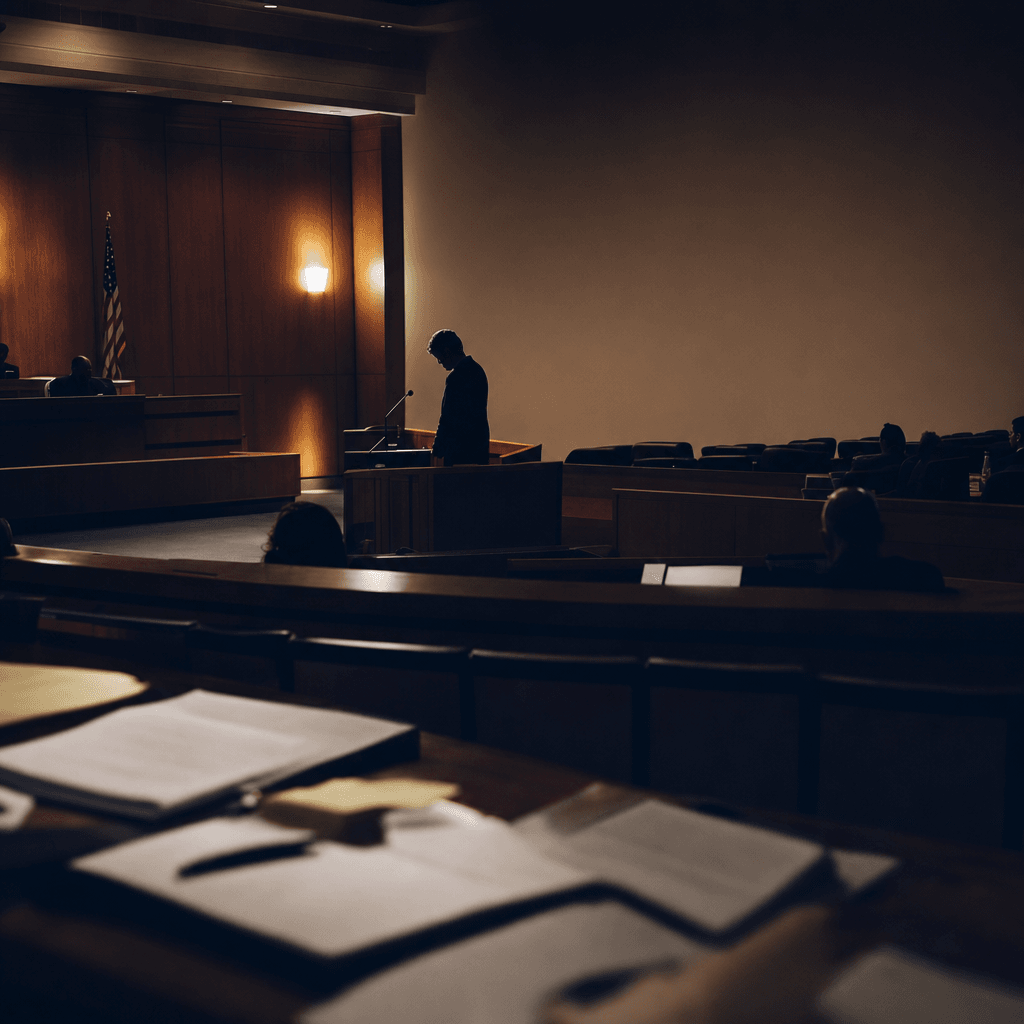
Elon Musk wrapped up his testimony in a San Francisco courtroom today, capping off a dramatic chapter in his high-stakes lawsuit against OpenAI and CEO Sam Altman. The Tesla chief claims the AI lab abandoned its founding nonprofit mission when it struck a multibillion-dollar partnership with Microsoft. As lawyers sparred over the second witness, the trial is exposing deep rifts over AI governance and the future of one of tech’s most influential organizations.
Elon Musk stepped down from the witness stand today after hours of testimony that laid bare his frustrations with OpenAI, the artificial intelligence lab he helped launch in 2015. The courtroom drama marks a critical juncture in a lawsuit that’s been brewing since 2024, when Musk first accused Sam Altman and co-founder Greg Brockman of betraying the organization’s nonprofit roots.
The Tesla and SpaceX CEO’s testimony offered a rare glimpse into the early days of OpenAI, when Musk contributed tens of millions of dollars with the understanding that the lab would remain a nonprofit focused on developing safe artificial intelligence for humanity’s benefit. According to court documents, Musk claims that promise evaporated when OpenAI pivoted to a for-profit model and sealed a reported $10 billion partnership with Microsoft.
Lawyers sparred immediately after Musk left the stand, with both sides disagreeing over the admissibility of the second witness. OpenAI’s legal team argued that certain testimony could reveal privileged communications, while Musk’s attorneys pushed for full transparency about the organization’s transformation. The judge hasn’t ruled yet on whether the witness will take the stand.
The lawsuit strikes at fundamental questions about AI governance at a time when the technology is reshaping entire industries. Musk’s central argument is that OpenAI’s shift from nonprofit to a capped-profit structure – where investors can earn returns up to 100 times their investment – fundamentally violated agreements he made when backing the venture. His legal team contends that Altman and Brockman used the nonprofit’s reputation and resources to build technology that now primarily benefits Microsoft and private investors.
OpenAI has consistently defended its evolution, arguing that the hybrid structure was necessary to compete for top AI talent and afford the massive computational resources required to train large language models. The organization maintains that its nonprofit parent still controls the for-profit subsidiary and that safety remains the top priority. In previous statements, Altman has said the structure allows OpenAI to pursue its mission while attracting the capital needed to build artificial general intelligence.
The trial comes as OpenAI faces mounting pressure on multiple fronts. The company’s ChatGPT has become synonymous with the AI revolution, but competitors like Google, Meta, and Anthropic are closing the gap. Meanwhile, regulatory scrutiny is intensifying globally, with lawmakers questioning whether AI labs should face stricter oversight given the technology’s potential societal impact.
Musk’s own AI ambitions complicate the narrative. Since breaking with OpenAI, he’s launched xAI, his own artificial intelligence venture that raised billions in funding and released the Grok chatbot. OpenAI’s lawyers have hinted they may argue Musk’s lawsuit is motivated by competitive rivalry rather than genuine concern about nonprofit governance. Those arguments could surface as the trial progresses into witness testimony and expert analysis.
Legal experts watching the case say it could set important precedent for how nonprofit organizations can transition to for-profit models, especially in fast-moving technology sectors. The outcome may also influence how courts view informal agreements and founding principles when they conflict with corporate evolution. If Musk prevails, OpenAI could face significant financial penalties or even structural changes to its organization.
The courtroom proceedings have revealed tensions that go beyond legal technicalities. Text messages and emails submitted as evidence show increasingly strained communications between Musk and Altman in the years before the split. One exchange from 2018 shows Musk questioning whether OpenAI could truly compete with Google DeepMind without massive funding, foreshadowing the financial pressures that would later drive the for-profit conversion.
As the trial enters its next phase, both sides are preparing for a prolonged battle. Musk’s legal team has indicated they plan to call former OpenAI employees and AI researchers to testify about the organization’s changing priorities. OpenAI’s defense will likely emphasize the practical realities of AI development and argue that the nonprofit structure was never intended to be permanent.
The stakes extend far beyond the two parties. The AI industry is watching closely to see whether courts will enforce founding principles over corporate pragmatism, and whether verbal commitments from the early startup days carry legal weight years later. For OpenAI, a loss could jeopardize its current structure and relationship with Microsoft. For Musk, vindication would validate his concerns about AI safety and corporate governance in an industry moving faster than regulators can track.
The OpenAI trial is shaping up to be one of the most consequential legal battles in AI’s brief history. As Musk’s testimony concludes and new witnesses prepare to take the stand, the case will test whether founding principles can constrain corporate evolution in a sector where billions of dollars and technological supremacy hang in the balance. Whatever the verdict, the proceedings are already exposing the tensions between idealistic origins and commercial reality that define so much of Silicon Valley’s relationship with transformative technology. The coming weeks will reveal whether courts side with founding intent or business necessity – a decision that could ripple across the entire AI industry.








Leave a Reply