
- ■
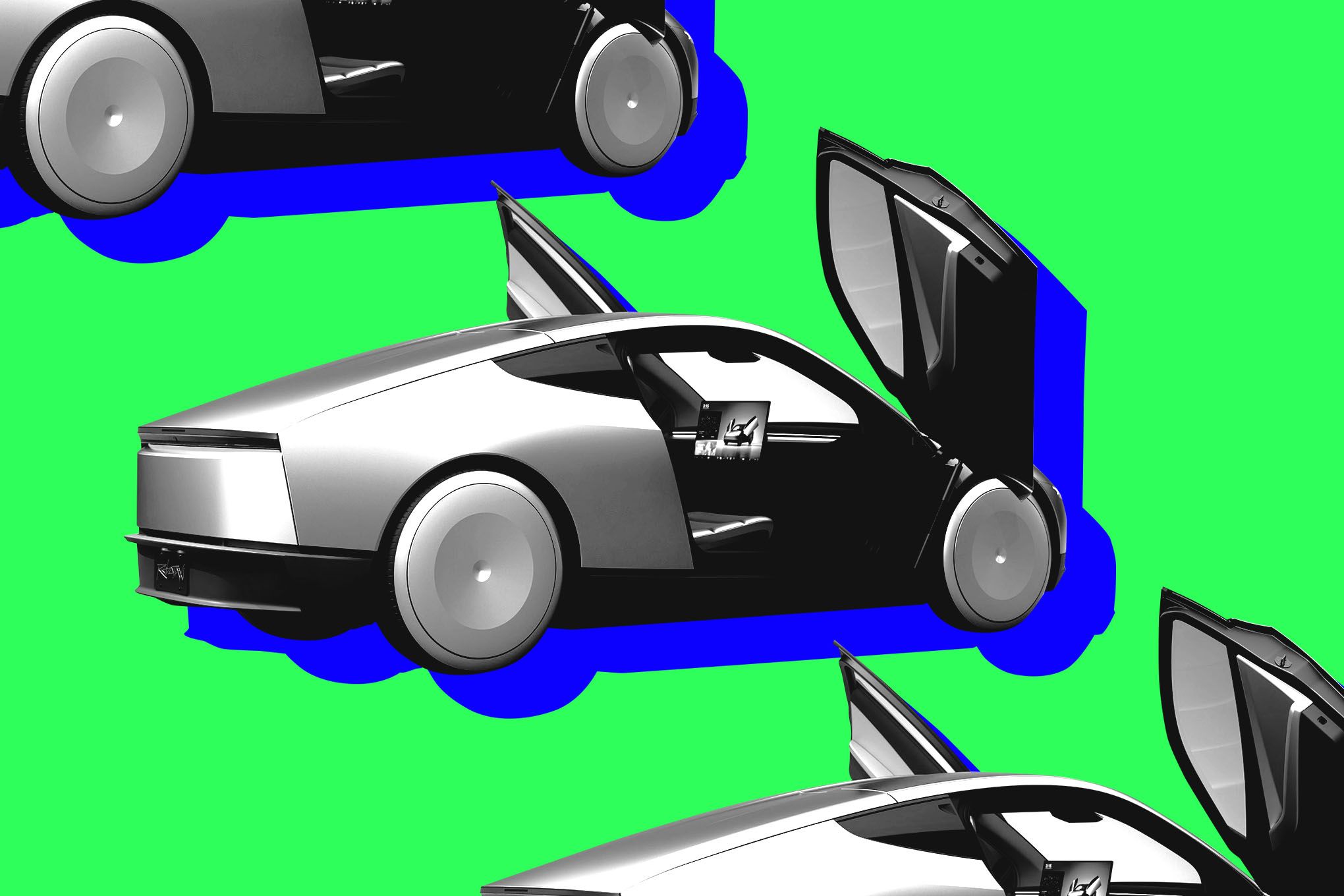
Tesla’s Cybercab robotaxi entered continuous production at Austin Gigafactory this month, following initial prototype builds in February
- ■
The company announced the milestone on X with video of the steering wheel-less vehicle driving out of the factory
- ■
Elon Musk is taking an uncharacteristically cautious approach to the rollout despite years of bold autonomous driving promises
- ■
The slower-than-expected timeline signals potential regulatory, technical, or market challenges for Tesla’s robotaxi ambitions
Tesla just hit a milestone it’s been promising for years—the Cybercab robotaxi is rolling off the production line at the Austin Gigafactory. But instead of the usual fanfare, Elon Musk is striking an unusually cautious tone about the rollout. The steering wheel-less vehicle announced its production start Thursday on X with a first-person drive video, yet the company’s timeline keeps slipping and industry watchers are left wondering what’s really happening behind the scenes with Tesla’s long-promised autonomous future.
Tesla just crossed a threshold that’s been years in the making. The Cybercab, the company’s purpose-built robotaxi with no steering wheel or pedals, is now in continuous production at the Austin Gigafactory. The announcement dropped Thursday on X, featuring a video shot from inside the autonomous vehicle as it drove out of the factory doors. “Purpose built for autonomy,” the caption read—a declaration that this isn’t just another Tesla with Full Self-Driving software bolted on, but a vehicle engineered from scratch for a driverless future.
But here’s where things get interesting. While Tesla produced a few initial Cybercabs back in February as prototypes, continuous production only kicked off this month. That’s a significant gap, and it comes amid an even longer string of delays for the robotaxi program. Elon Musk first teased an autonomous taxi network back in 2019, promising it would launch by 2020. Fast forward to 2026, and the company is just now getting vehicles off the line—without a clear timeline for when they’ll actually start picking up passengers.
What’s more unusual is Musk’s tone. The Tesla CEO, known for making audacious promises and aggressive timelines, is sounding remarkably cautious about the Cybercab rollout. That’s a departure from his typical playbook, where bold predictions often run ahead of engineering reality. The shift suggests Tesla might be facing harder-than-expected challenges—whether regulatory hurdles, technical limitations in its Full Self-driving system, or market readiness questions.
The Cybercab itself represents a significant bet on Tesla’s vision of autonomy. Unlike traditional vehicles retrofitted for self-driving, the robotaxi was designed without human controls from the ground up. That clean-sheet approach gives Tesla advantages in interior space and manufacturing efficiency, but it also means the vehicle is completely dependent on the company’s computer vision-based autonomous driving system working flawlessly. There’s no steering wheel backup if the software fails.
That’s where the regulatory picture gets murky. Autonomous vehicles without manual controls face stricter scrutiny from the National Highway Traffic Safety Administration and state regulators. Waymo, owned by Alphabet, has been operating truly driverless robotaxis in Phoenix and San Francisco for years, but only after extensive testing and regulatory approval processes. Cruise, backed by General Motors, had to pause its robotaxi operations in 2024 after safety incidents raised questions about autonomous system reliability.
Tesla’s approach differs fundamentally from competitors. While Waymo relies on expensive lidar sensors and high-definition maps, Tesla uses cameras and neural networks to navigate—a cheaper but more technically challenging path. Musk has long argued this vision-based system will ultimately prove superior because it mimics how humans drive. But critics point out that Tesla’s Full Self-Driving beta, despite its name, still requires active human supervision and has faced scrutiny over crash investigations.
The production milestone comes at a pivotal moment for Tesla. The company’s core vehicle business faces intensifying competition from Chinese EV makers and traditional automakers ramping up electric offerings. Musk has positioned autonomy and robotaxis as Tesla’s next major growth driver, potentially transforming the company from a car manufacturer into a mobility service provider. During previous earnings calls, he’s suggested that autonomous capabilities could make Tesla vehicles appreciate in value rather than depreciate.
But the slower rollout timeline creates uncertainty for investors and industry watchers. If Tesla can’t rapidly scale Cybercab deployment and prove the economics of a robotaxi network, it undercuts a key pillar of the company’s long-term valuation story. Meanwhile, competitors aren’t standing still—Chinese autonomous driving startups are deploying vehicles in major cities, and Waymo continues expanding its operational territory.
The cautious messaging from Musk might reflect lessons learned from past overpromises. Tesla has repeatedly missed self-driving timelines, and the gap between demonstration and reliable commercial deployment has proven wider than anticipated. Starting production is one thing—running a safe, profitable robotaxi service at scale is an entirely different challenge involving liability, insurance, maintenance networks, and customer experience.
What happens next will likely depend on how quickly Tesla can navigate the regulatory approval process and demonstrate safety performance. The company will need to show that Cybercabs can operate reliably in diverse conditions without human oversight. That means accumulating millions of autonomous miles, proving low incident rates, and convincing regulators that the vision-only approach works as well as sensor-heavy alternatives.
Tesla’s Cybercab production start marks a tangible step toward the autonomous future Musk has promised for years, but the cautious rollout signals the hard reality of bringing driverless vehicles to market. The gap between building robotaxis and actually deploying them safely at scale remains wide, and Tesla’s vision-based approach faces both technical and regulatory tests ahead. For an industry watching Tesla’s every move, the question isn’t just whether the Cybercabs can drive themselves—it’s whether the company can navigate the complex path from factory floor to city streets faster than competitors already operating autonomous fleets. The production milestone is real progress, but the race to profitable robotaxi services is just getting started.



Leave a Reply