
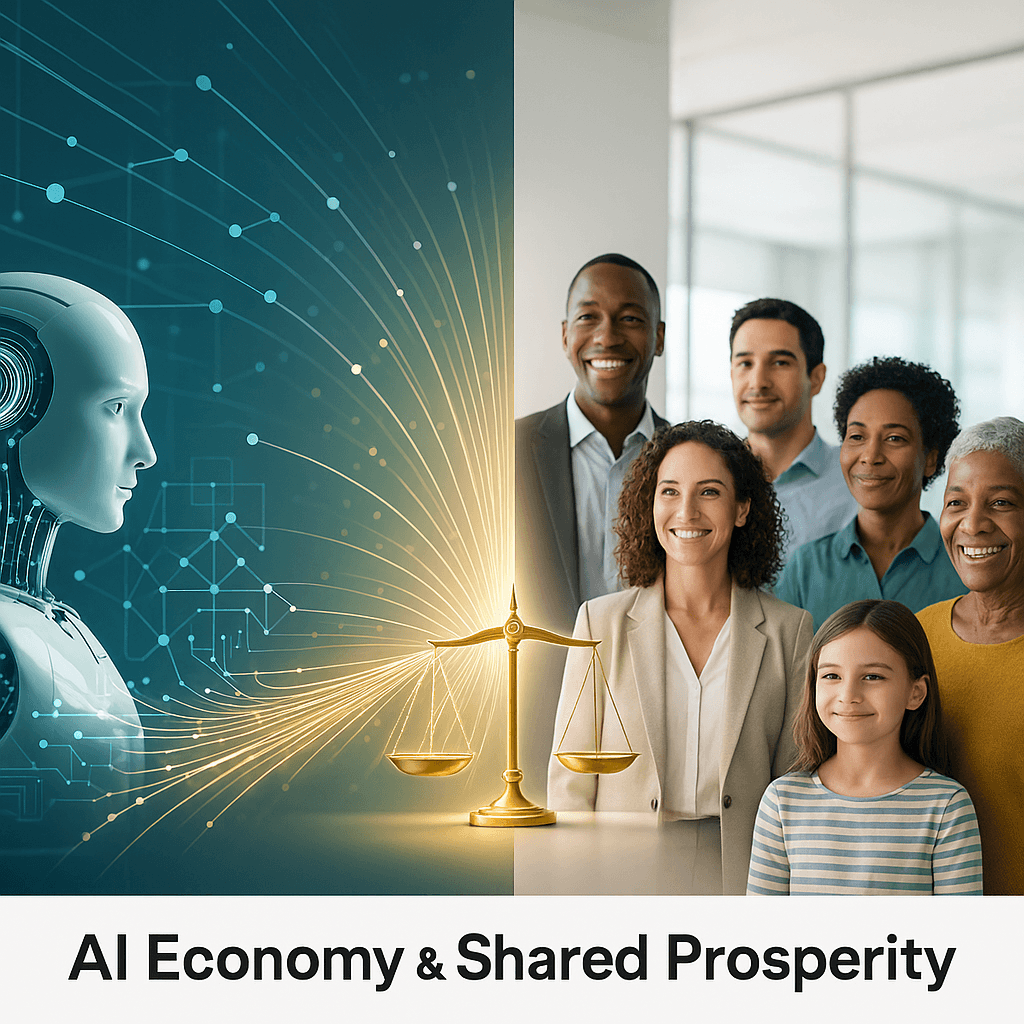
OpenAI just laid out its most detailed vision yet for how society should handle AI’s economic disruption. The company’s new policy framework proposes taxing AI-generated profits, establishing public wealth funds, and transitioning to four-day work weeks as automation reshapes the workforce. It’s a striking pivot for a company racing to build artificial general intelligence – now publicly grappling with how to distribute the wealth it creates.
OpenAI is making a calculated bet that the AI economy needs guardrails before the disruption hits full force. The company’s sweeping policy proposal, released Monday, tackles the thorniest question in tech: what happens when AI systems start doing jobs currently held by millions of people?
The answer, according to OpenAI, involves a fundamental restructuring of how we think about work and wealth. The company wants governments to tax profits generated by AI systems – essentially a robot tax by another name – and funnel those revenues into public wealth funds that distribute payments directly to citizens. Think Alaska’s oil dividend, but for the AI age.
It’s a remarkable document coming from the company at the center of the AI revolution. OpenAI spent years building ChatGPT and pushing toward artificial general intelligence, and now it’s publicly wrestling with the consequences. The timing isn’t accidental. As enterprise AI adoption accelerates and automation anxiety spreads, the company is positioning itself as a responsible actor thinking beyond quarterly earnings.
The four-day work week proposal stands out as particularly bold. OpenAI suggests gradually reducing working hours as AI productivity gains free up human time, rather than simply eliminating jobs. It’s an attempt to reframe the automation conversation from job loss to work-life balance, though critics will note that shorter weeks don’t help workers whose jobs disappear entirely.
The public wealth fund concept draws from existing models but scales them for an AI-driven economy. Instead of one-time universal basic income payments, OpenAI envisions sustained distributions funded by taxing the enormous productivity gains AI systems generate. The company argues this creates a direct link between AI’s economic benefits and public welfare, turning automation from a threat into a shared resource.







Leave a Reply