

- ■
- ■
Move comes 10 months after OpenAI’s $6.4B acquisition of Jony Ive’s device startup
- ■
Deal raises questions about OpenAI’s M&A strategy as it expands beyond core AI research
- ■
Acquisition could signal content play to compete with Google, Meta in media distribution
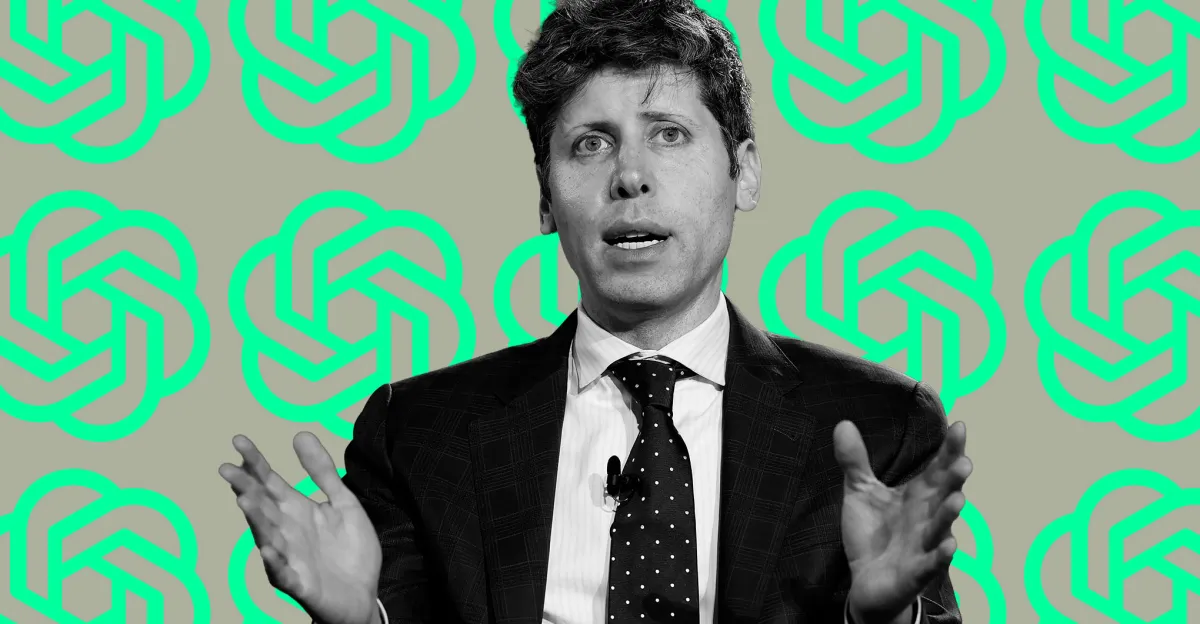
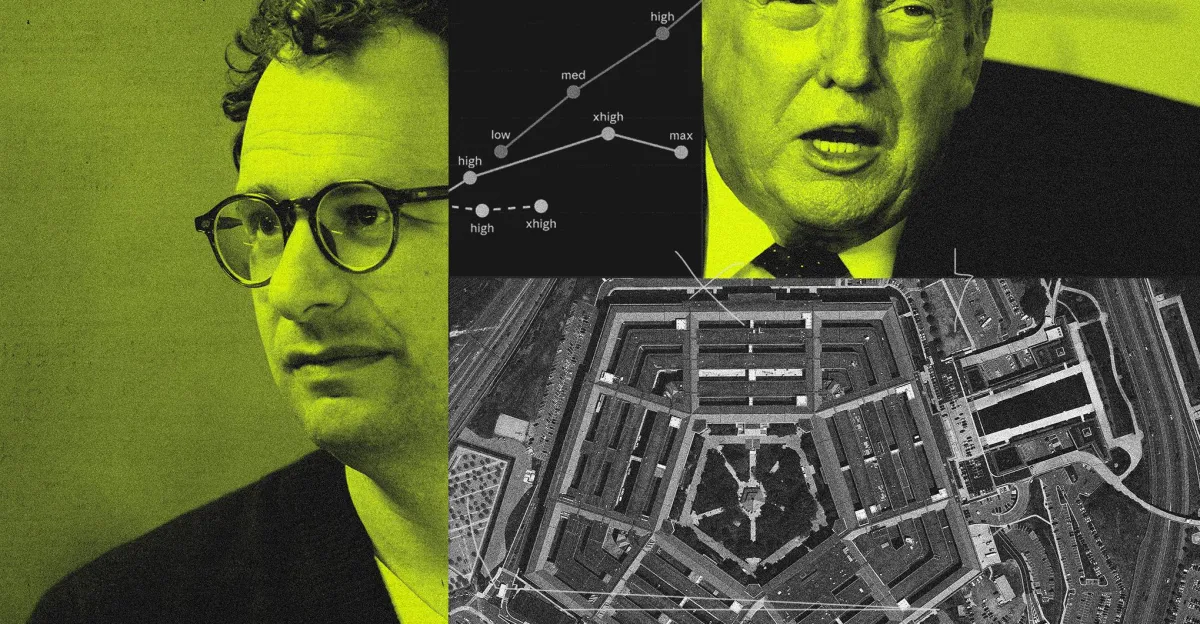
OpenAI just made its most unexpected acquisition yet. The ChatGPT maker announced it’s buying media company TBPN, barely ten months after dropping a staggering $6.4 billion on Jony Ive’s hardware venture. The deal marks a sharp departure from OpenAI’s AI-first playbook and signals the company may be assembling pieces for something bigger than anyone expected.
OpenAI is making moves that have Wall Street analysts scratching their heads. The company’s acquisition of media firm TBPN, announced late Friday, represents its second major deal in less than a year – and possibly its most puzzling strategic pivot to date.
The timing couldn’t be more curious. Just ten months ago, OpenAI shook the tech world by shelling out $6.4 billion for the nascent hardware startup led by legendary Apple designer Jony Ive. That deal already raised eyebrows about whether the AI research lab was spreading itself too thin. Now, with TBPN in the fold, the company’s M&A playbook looks less like a coherent strategy and more like opportunistic empire-building.
Financial terms of the TBPN acquisition weren’t disclosed, and OpenAI declined to provide details about what it plans to do with a media company. But the move suggests OpenAI is thinking beyond language models and chatbots. With Google and Meta already controlling massive content distribution networks, OpenAI may be positioning itself to own the full stack – from AI generation to hardware to media delivery.
The Jony Ive deal was supposed to be about building the iPhone of AI – a sleek consumer device that would bring ChatGPT’s capabilities into people’s pockets in a more native way than smartphones allow. Adding a media company to that equation opens up intriguing possibilities. Think AI-generated content delivered through proprietary channels on custom hardware. Or personalized news feeds curated by GPT-5 and distributed through TBPN’s existing infrastructure.
But it also exposes OpenAI to new risks. The company is already fighting battles on multiple fronts – competing with Anthropic and on model performance, fending off copyright lawsuits from publishers, and trying to justify its eye-watering valuation to investors. Taking on media operations adds operational complexity that could distract from the core mission of building artificial general intelligence.





Leave a Reply