
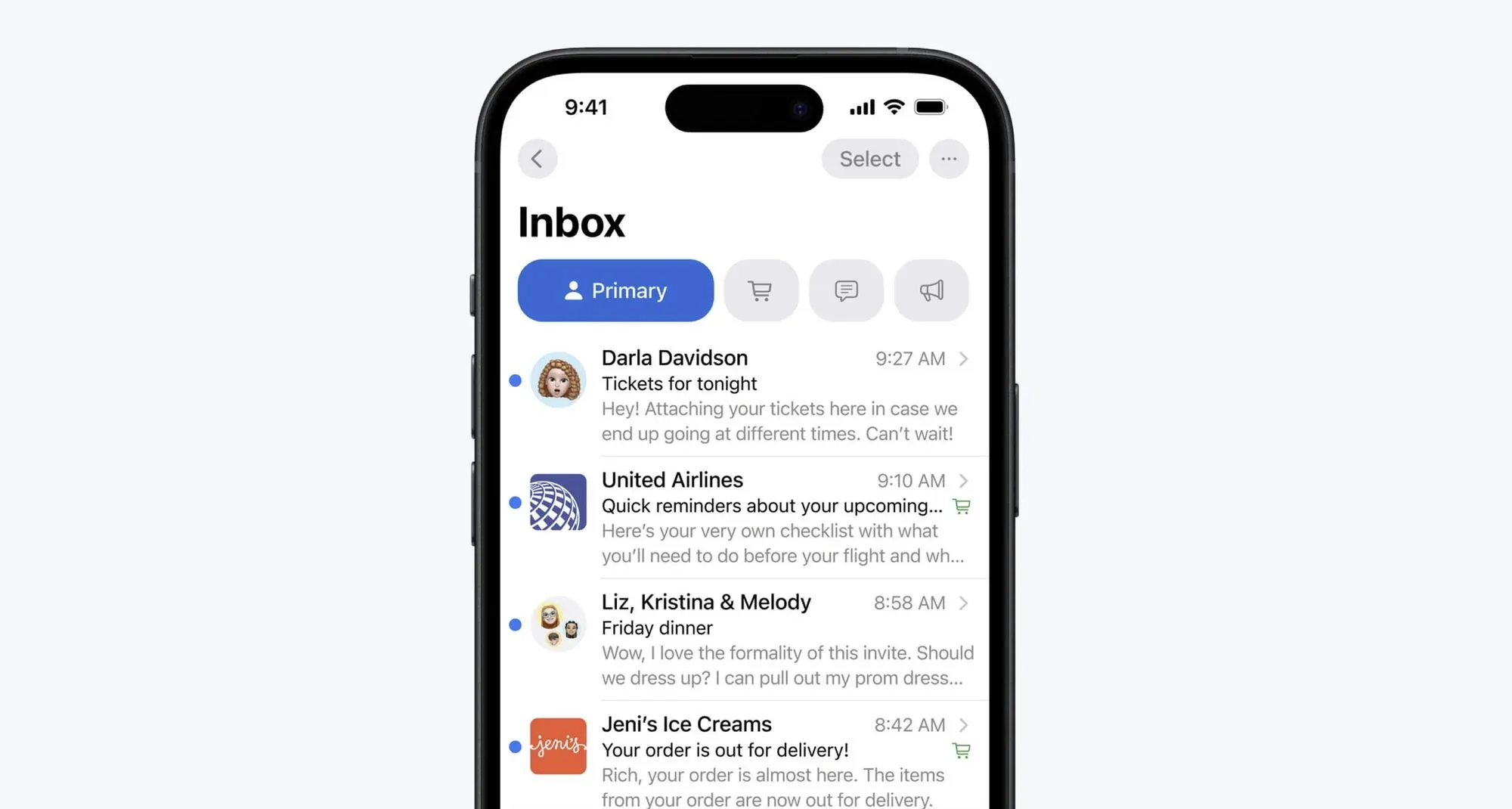
Most inboxes run on a quiet rule: your newsletter starts guilty.
Attention is scarce, patience is thin, and most emails never get opened. Even among subscribers, the majority admit they ignore most of the emails they receive. If you think you are competing for curiosity you have another thing coming. You are competing for survival in a space where only a handful of emails feel worth the mental energy.
The behavior behind this is simple. People subscribe to a few newsletters, then gradually realize even that is too many. Every unread email feels like a small obligation sitting in the background. Over time, they begin to keep only what feels immediately useful or mentally relieving. Anything that can be filed under “I’ll get to this later” slowly disappears from their routine, whether they formally unsubscribe or not.
The newsletters that stay open earn their place through clarity and utility. They help readers process information faster, make decisions with less friction, or see something others missed. They arrive with a familiar structure, so the reader knows exactly how to extract value in seconds. Within that structure, the insight still feels fresh enough to justify the click.
Specificity plays a quiet but decisive role. Emails written for a clearly defined type of reader feel easier to trust and quicker to read. The language matches their reality and the examples feel close to home. On the other hand, broad, generalized writing forces the reader to translate everything into their own context, which adds friction and makes it more likely that they will move on.
Winning the inbox wars comes down to design, not volume.
A clear promise, a consistent structure, and one actionable takeaway per email can turn your newsletter into a habit instead of a chore. When your newsletter consistently pays back the time it takes to read, opening it stops feeling like a decision. It becomes part of how your reader thinks through their week.









Leave a Reply