
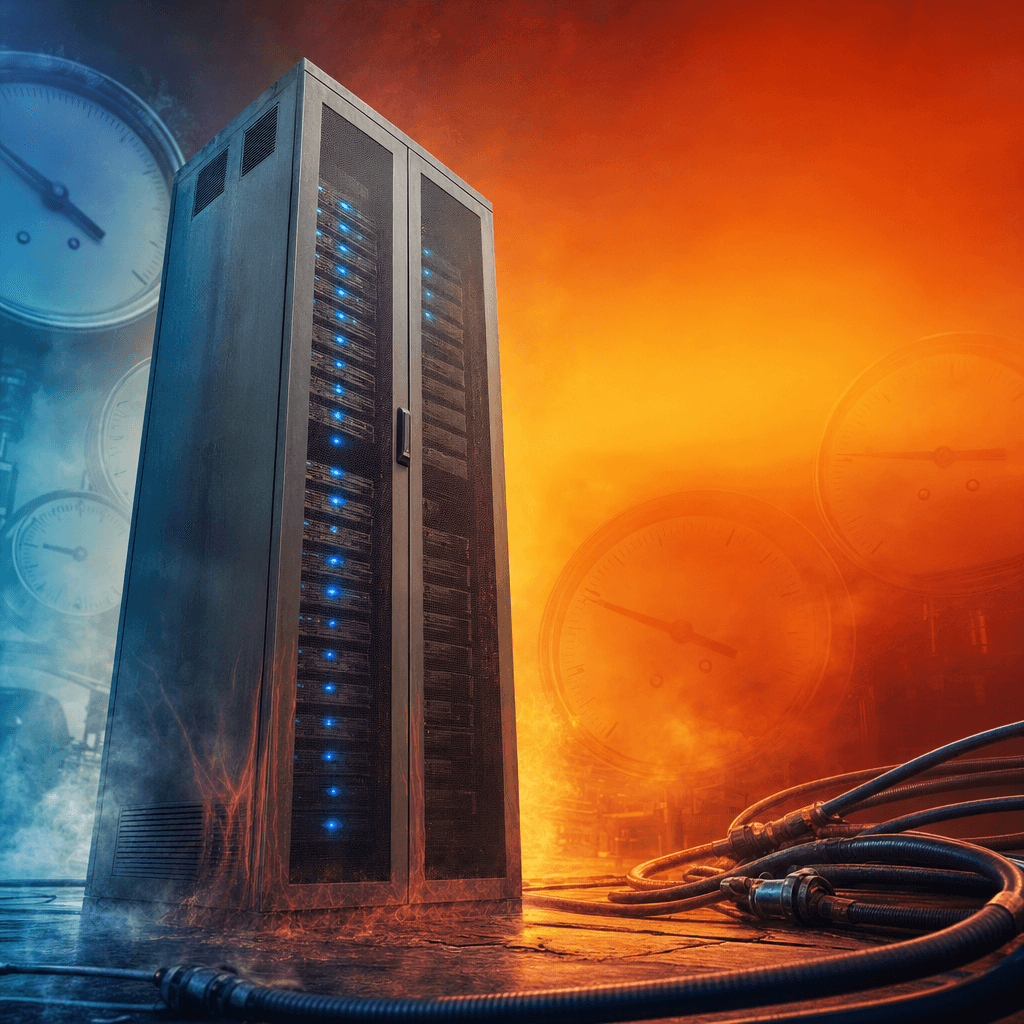
The cloud giants are about to show their cards. Amazon, Microsoft, and Google report first-quarter earnings this week under unprecedented pressure – soaring oil prices from the U.S.-Iran conflict, a crippling memory chip shortage, and Wall Street demanding proof their multibillion-dollar AI data center bets will pay off. It’s the first real stress test of whether hyperscalers can maintain breakneck infrastructure spending when costs are spiking across the board.
The timing couldn’t be worse – or more revealing. As Amazon, Microsoft, and Google prepare to report first-quarter results this week, they’re navigating a perfect storm that’s testing the entire hyperscaler business model. Oil prices have surged following escalating tensions between the U.S. and Iran, memory chips remain in critically short supply, and investors are getting antsy about when these massive AI infrastructure investments will actually generate returns.
But here’s the thing – Wall Street isn’t backing down. Despite the headwinds, analysts remain bullish on the hyperscalers’ ambitious data center construction plans. The optimism stems from a simple belief: whoever builds the biggest AI infrastructure wins the next decade of cloud computing. It’s a bet that short-term pain from energy costs and supply constraints won’t derail long-term dominance.
The energy question looms largest. Data centers are already among the most power-hungry facilities on the planet, and the new generation of AI training clusters makes previous infrastructure look quaint by comparison. With oil prices climbing sharply since the Iran conflict intensified, operational costs for these massive facilities are spiking. Cooling systems, backup generators, and the sheer electricity draw of thousands of GPUs running 24/7 – it all adds up fast when energy gets expensive.
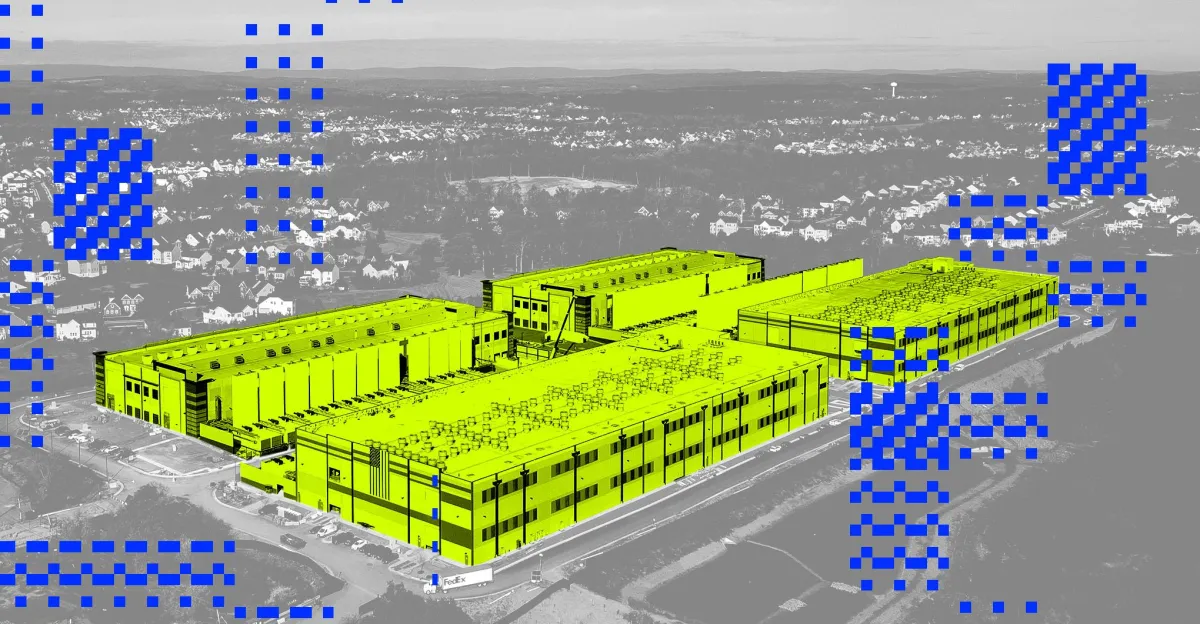
Microsoft has been particularly aggressive, announcing plans earlier this year to double its data center footprint to support Azure’s AI services and OpenAI’s infrastructure needs. Amazon Web Services isn’t far behind, with projects spanning Virginia to Singapore. Google Cloud has quietly been securing land and power contracts across the Midwest, betting on regional energy diversity to hedge against price shocks.
Then there’s the memory shortage. High-bandwidth memory chips – essential for AI workloads – have been constrained for months as demand from both cloud providers and enterprise customers outstrips supply. SK Hynix and Samsung are racing to expand production, but new fab capacity takes years to come online. This bottleneck could force the hyperscalers to pace their data center activations slower than planned, even if the buildings themselves are ready.
What makes this earnings cycle fascinating is that investors will get their first clear look at how these pressures are actually impacting the business. Are margins compressing as energy costs rise? Are capex timelines shifting due to component shortages? And crucially, are customers still signing the long-term cloud contracts that justify this spending spree?
The bulls argue that enterprise demand for AI infrastructure is so strong that pricing power remains firmly with the hyperscalers. If Microsoft raises Azure prices to offset energy costs, businesses building on GPT-4 or training their own models don’t have many alternatives. The switching costs are enormous, and the competitive moat around hyperscale infrastructure has never been wider.
But skeptics worry about a different scenario. What if the combination of higher costs and supply constraints forces these companies to moderate their growth guidance? Wall Street has priced in relentless expansion – any signal of a slowdown could trigger reassessments across the entire sector. And with all three hyperscalers reporting within days of each other, any weakness shown by one could amplify concerns about the others.
The geopolitical angle adds another layer of uncertainty. The Iran situation remains fluid, and further escalation could push energy prices even higher. Unlike previous oil shocks, this one hits tech companies directly through their infrastructure costs, not just indirectly through consumer spending. It’s a new vulnerability for businesses that have historically been somewhat insulated from commodity price swings.
One thing’s certain: the earnings calls will be scrutinized for any shift in tone around capital expenditure. Amazon CEO Andy Jassy, Microsoft CEO Satya Nadella, and Google CEO Sundar Pichai have all been emphatic that AI infrastructure investment is the top priority. If that message wavers, even slightly, it’ll send ripples through the entire tech ecosystem.
This earnings season is make-or-break for the hyperscaler narrative. Wall Street’s optimism about AI infrastructure spending is running headlong into real-world constraints – energy costs, supply shortages, geopolitical instability. The cloud giants need to prove they can navigate these headwinds without blinking on their long-term buildout plans. If they deliver that confidence, the rally continues. If they hedge or show any cracks in execution, expect investors to start questioning whether the AI infrastructure arms race is sustainable at current spending levels. Either way, the answers start arriving this week.








Leave a Reply