
The courtroom battle between Elon Musk and OpenAI officially kicked off this week, setting the stage for what’s shaping up to be one of tech’s messiest legal showdowns. At stake: who deserves credit – and cash – for building one of the world’s most valuable AI companies. But as the two sides prepare to air years of dirty laundry, industry insiders say Musk may have a different endgame entirely: turning the trial into a very public spectacle that damages OpenAI’s reputation regardless of the verdict.
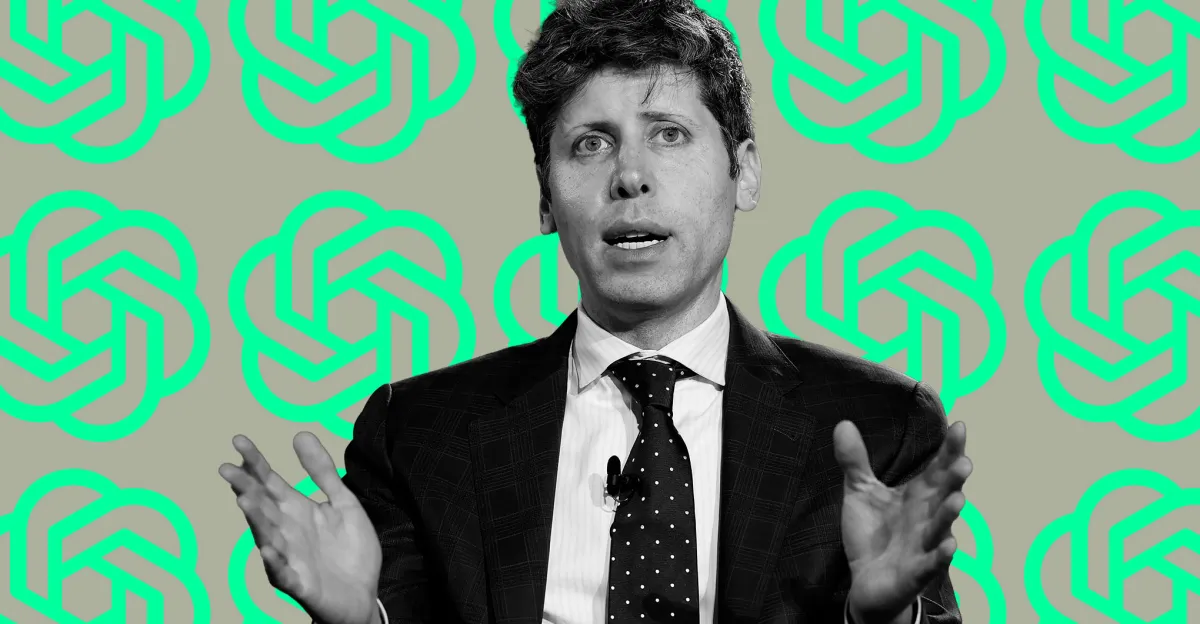
The gloves are officially off between two of artificial intelligence’s most powerful figures. Elon Musk and OpenAI CEO Sam Altman are now facing each other across a courtroom, with years of private emails, text messages, and internal documents about to become very public fodder.
At the heart of Musk’s lawsuit is a straightforward claim: OpenAI abandoned its original nonprofit mission to develop safe artificial general intelligence for the benefit of humanity. Instead, Musk argues, Altman and the company’s leadership transformed it into a profit-driven entity closely aligned with Microsoft, which has invested over $13 billion into the AI startup. According to The Verge’s coverage, this isn’t just a legal dispute – it’s about to become a spectacle.
Musk co-founded OpenAI back in 2015 alongside Altman and several other tech luminaries, pledging to build AI that would benefit all of humanity rather than concentrate power in corporate hands. He contributed an estimated $50 million to $100 million in early funding before departing the board in 2018, citing conflicts of interest with Tesla’s own AI development.
But what happened next is where things get contentious. OpenAI pivoted from its nonprofit structure to a “capped-profit” model in 2019, allowing it to raise massive investment rounds while theoretically maintaining its mission-driven focus. The launch of ChatGPT in late 2022 turned the company into a global phenomenon virtually overnight, with its valuation reportedly soaring past $150 billion in recent funding discussions.
Musk, meanwhile, launched his own AI competitor xAI in 2023, securing billions in funding to build what he calls a “maximum truth-seeking AI.” The timing of his lawsuit – filed after xAI entered the market – hasn’t been lost on observers who note the competitive dynamics at play.
According to legal analysts following the case, Musk’s actual chances of winning substantial damages may be slim. He left OpenAI before many of the controversial decisions happened, and the company has argued his claims are based on informal agreements rather than binding contracts. But winning in court might not be the point.
“This trial is going to expose a lot of people’s secrets,” notes one tech industry source familiar with the litigation strategy. The discovery process has already forced OpenAI to hand over internal communications showing how decisions were made about the company’s structure, its partnership with Microsoft, and its approach to AI safety – exactly the kind of material that could prove embarrassing even if it doesn’t establish legal liability.
For Musk, who commands massive influence through his ownership of X (formerly Twitter), the trial offers a platform to shape public perception of OpenAI as having betrayed its founding principles. Every revelation, every awkward email exchange, every internal debate about profit versus mission becomes ammunition in the court of public opinion.
The stakes extend beyond just two billionaires settling scores. The trial will likely surface critical details about how today’s leading AI companies make decisions about safety, transparency, and the balance between open research and proprietary development. At a moment when governments worldwide are scrambling to regulate AI, the courtroom drama could influence policy debates about whether these powerful systems should remain in private corporate hands.
OpenAI has pushed back hard against Musk’s characterization, arguing that he wanted to merge the nonprofit with Tesla or take full control before leaving when those proposals were rejected. The company claims Musk’s lawsuit is driven by competitive jealousy over ChatGPT’s success rather than principled concerns about mission drift.
As the trial unfolds over the coming weeks, expect a parade of tech industry heavyweights taking the stand, from early OpenAI employees to Microsoft executives involved in the partnership. The testimony will pull back the curtain on how one of tech’s most consequential companies evolved from a scrappy nonprofit into a cornerstone of the AI revolution.
Whether Musk ultimately prevails in his legal claims or simply succeeds in muddying OpenAI’s reputation, the trial represents a pivotal moment for the AI industry. It’s forcing uncomfortable questions about whether the technology that may reshape human civilization can truly be developed in the public interest when billions of dollars are at stake.
The Musk-OpenAI trial isn’t just another Silicon Valley legal spat – it’s a window into the messy, high-stakes reality of building transformative technology when egos, ideologies, and enormous financial interests collide. Regardless of how the judge rules, the real verdict will be written in the court of public opinion as years of private conversations become part of the public record. For anyone tracking the future of AI governance and who gets to control humanity’s most powerful emerging technology, the next few weeks of testimony will be required viewing.




Leave a Reply