
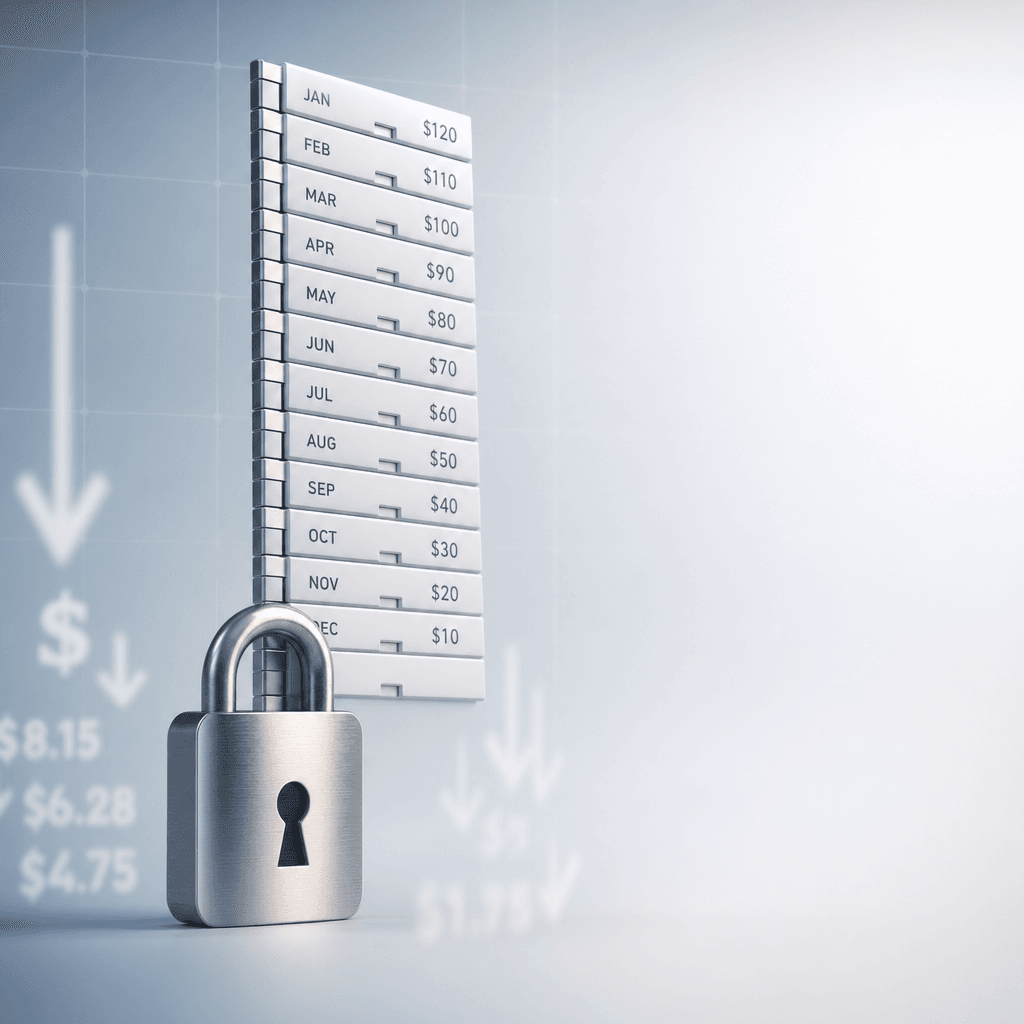
Apple is rolling out a new subscription pricing model that lets App Store developers offer lower monthly rates in exchange for annual commitments. The move gives developers more flexibility in how they monetize apps while potentially locking users into longer-term relationships. It’s the latest tweak to Apple’s subscription infrastructure as the company faces mounting pressure over App Store policies and developer economics.
Apple just handed developers a new pricing tool that could reshape how millions of iPhone users pay for apps. The company quietly introduced a subscription option that lets developers offer discounted monthly rates to users who commit to paying for 12 months, according to TechCrunch.
The timing is notable. Apple’s been under fire for years over its App Store economics, with developers from Spotify to Epic Games challenging everything from commission rates to payment restrictions. This pricing flexibility represents a smaller concession but one that could have real impact on how apps structure their business models.
Here’s how it works: Instead of just offering standard monthly or annual subscriptions, developers can now create a hybrid option. Users see a lower monthly price but commit to paying for a full year upfront or through 12 monthly charges they can’t easily cancel. Think of it like the difference between month-to-month and annual lease pricing, now coming to your favorite productivity app or streaming service.
The move mirrors pricing strategies that have worked elsewhere in tech. Netflix and other streaming platforms have long used annual discounts to reduce churn. Adobe pushed users toward annual Creative Cloud commitments with lower monthly rates. Now Apple’s giving every app developer access to the same playbook.
For developers, this solves a real problem. Subscription apps live or die by churn rates, and monthly subscribers cancel at much higher rates than annual ones. A cheaper monthly option with annual commitment could attract price-sensitive users who balk at paying $60 upfront but don’t mind $4.99 a month for 12 months. The psychological difference is real, even when the total cost is similar.
But there’s tension here too. Consumer advocates have criticized auto-renewing subscriptions and commitment periods as user-hostile, especially when cancellation processes aren’t transparent. Apple’s own App Store guidelines require clear disclosure of subscription terms, but enforcement has been inconsistent. Adding another pricing tier with commitment strings attached could make the subscription landscape even murkier for everyday users.
The developer economics are interesting. Apple still takes its standard 30% cut in year one and 15% for subsequent years under its Small Business Program. The new pricing option doesn’t change commission rates, it just gives developers another lever to pull when optimizing for lifetime value versus acquisition cost. Apps with high retention might not bother. Those struggling with churn will likely experiment aggressively.
We’re already seeing similar dynamics play out in Apple’s Services empire, which hit $85 billion in revenue last year. Apple Music, Apple TV+, and iCloud all use various pricing and bundling strategies to keep users locked in. Now third-party developers get some of those same tools, albeit within Apple’s walled garden.
The competitive implications extend beyond individual apps. Google Play has offered similar subscription flexibility for Android developers. Apple catching up here levels the playing field slightly, though Google’s willingness to allow alternative payment systems in some markets still gives Android developers more freedom overall.
What’s unclear is how aggressively developers will adopt this. Large publishers with sophisticated pricing teams will likely test it immediately. Indie developers might find the added complexity not worth the potential upside. And users could grow fatigued if every app starts pushing discounted-but-committed pricing over straightforward monthly options.
This also arrives as Apple faces regulatory pressure in the EU and elsewhere to open up its platform. The Digital Markets Act forced Apple to allow alternative app stores in Europe. Multiple lawsuits are challenging App Store practices in the US. Incremental changes like this subscription pricing option might be Apple’s attempt to show it’s listening to developer feedback without fundamentally changing its business model.
The App Store generated an estimated $1.1 trillion in billings and sales in 2023, with Apple taking a cut of digital goods and services. Even small changes to how subscriptions work can have massive ripple effects across the ecosystem. If this new pricing option increases subscription conversions by even a few percentage points, that’s real money for both Apple and developers.
Apple’s new subscription pricing option is the kind of incremental change that won’t make headlines but could quietly reshape app economics. Developers get more pricing flexibility, users get lower monthly rates with strings attached, and Apple maintains its commission structure while appearing responsive to developer needs. Watch how major apps like dating platforms, fitness apps, and productivity tools adopt this over the next few months. The real test is whether cheaper monthly pricing with commitments increases overall subscription revenue or just shifts existing subscribers into different buckets. Either way, it’s another data point showing Apple’s App Store is evolving under pressure, even if the pace feels glacial to critics demanding fundamental change.






Leave a Reply