
- ■
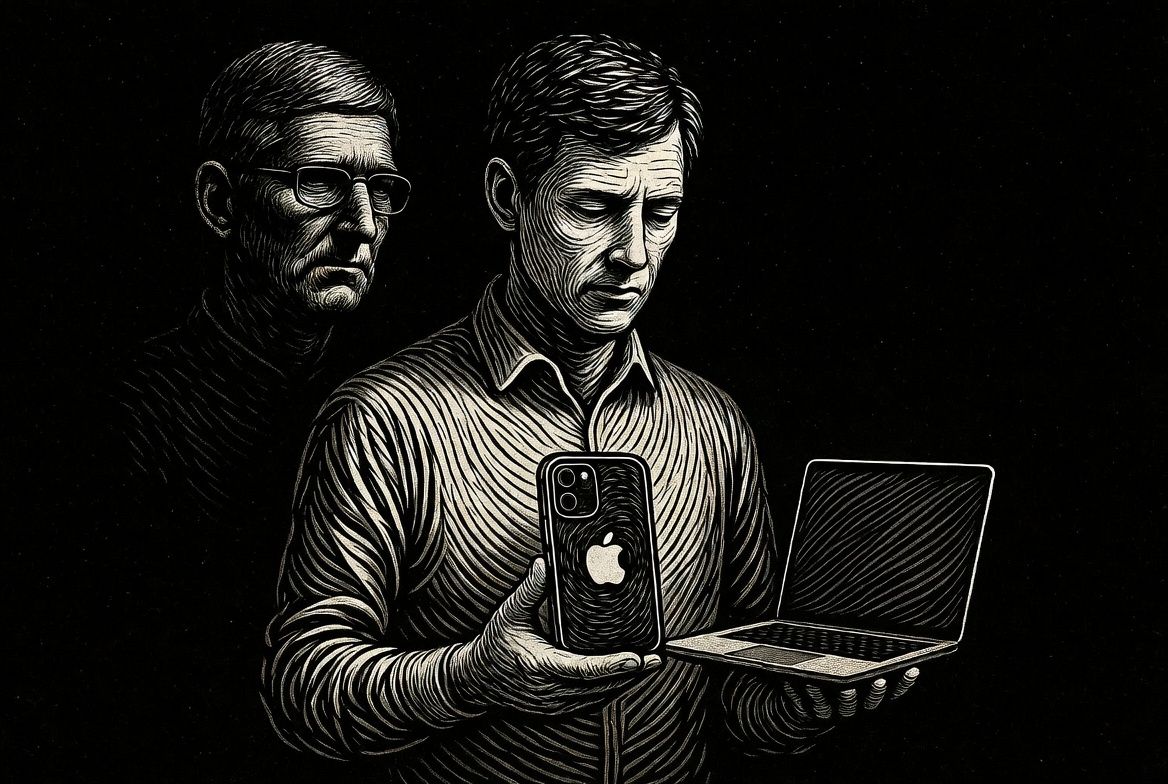
John Ternus will become CEO of on September 1, 2026, succeeding , who will transition to executive chairman of . The leadership change signals continuity rather than a major strategic shift.
- ■
Ternus, a longtime hardware engineer who rose through Apple’s product organization, previously oversaw development of major devices including the , , , , , and , as well as the transition to .
- ■
Under Ternus, Apple is expected to pursue artificial intelligence through its traditional device-centered strategy by embedding AI capabilities directly into hardware and operating systems rather than competing primarily through large cloud AI platforms.
John Ternus will become the next CEO of Apple on September 1, 2026, succeeding Tim Cook, who will transition to executive chairman. The move places a long-time hardware engineer at the top of the company during a moment when the industry is reorganizing around artificial intelligence. Rather than signaling a dramatic strategic pivot, the decision suggests continuity: Apple intends to push AI through the same device-centered model that has defined the company for decades.
King of Hardware
Ternus has spent most of his professional life inside Apple’s hardware organization. Born in 1975, he studied mechanical engineering at the University of Pennsylvania and joined Apple’s product design team in 2001. His early work included engineering on the Apple Cinema Display, a relatively modest entry point that exposed him to the company’s tightly integrated design culture. Over the next two decades he climbed steadily through the hardware ranks, eventually overseeing engineering for the company’s major device lines. In 2021 he became Senior Vice President of Hardware Engineering, placing him in charge of development across the iPhone, iPad, Mac, AirPods, Apple Watch, and later the Apple Vision Pro headset.
Much of Ternus’s reputation inside the company comes from shepherding complex product transitions rather than launching entirely new categories. He worked closely on the evolution of the iPad from its original release onward and played a role in turning AirPods from an accessory experiment into one of Apple’s most commercially successful products. His influence was also visible during the Mac’s transition away from Intel processors toward custom chips designed by Apple Silicon, a shift that significantly improved performance and battery efficiency while tightening the integration between hardware and software. Internally he has been described as a product engineer rather than an operational manager, someone whose credibility comes from building devices and guiding large engineering teams through complicated architecture changes.
What’s Different?
That distinction matters when comparing him to Cook. Cook rose to the CEO role after running Apple’s global supply chain, stabilizing the company’s manufacturing and logistics during the years following the death of Steve Jobs. His tenure focused heavily on operational discipline, global scale, and the expansion of services revenue. Ternus’s background is rooted much closer to the devices themselves. The shift in leadership therefore changes the center of gravity slightly. Apple remains financially conservative and operationally disciplined under Cook’s continued presence as executive chairman, but the day-to-day leadership moves back toward the product organization.
The timing of the transition also reflects the broader technological landscape. Artificial intelligence has become the central battleground for the largest technology companies, with firms like OpenAI, Google, and Microsoft investing heavily in large language models and agent-style software systems. Apple, despite introducing voice assistants early with Siri in 2011, is widely viewed as trailing competitors in generative AI capabilities. Ternus’s appointment suggests Apple’s response will rely less on competing directly in cloud AI platforms and more on embedding advanced intelligence directly into its devices.
This approach aligns with Apple’s longstanding emphasis on vertical integration. The company controls the silicon architecture, the operating systems, and the hardware design for most of its major products. Advances in on-device machine learning can therefore be delivered through custom chips and tightly optimized software rather than relying entirely on remote data centers. If Apple’s AI strategy succeeds, it will likely appear less as a standalone chatbot and more as features distributed across devices: smarter cameras, more capable assistants, context-aware automation, and interactions that feel embedded into everyday hardware.
Challenges Ahead
Still, the challenges facing Ternus are substantial. The Apple Vision Pro headset introduced Apple to spatial computing but has yet to demonstrate mass-market demand. Decisions about whether to expand that platform, reposition it, or scale it down will fall partly under his leadership. At the same time the company faces regulatory scrutiny across multiple regions, pressure to diversify its manufacturing base beyond China, and the ongoing challenge of sustaining growth for the iPhone in a mature global smartphone market.
Ternus therefore inherits a company that remains extraordinarily successful but must define how the next technological wave fits into its existing model. Apple’s history suggests it rarely wins by being first to a category. Instead it tends to integrate emerging technologies into carefully engineered devices once the pieces are mature enough to support a polished experience. Elevating a hardware architect to the CEO role implies that Apple believes the next stage of computing will still revolve around objects people carry and wear. The task ahead is to make artificial intelligence feel less like a cloud service and more like a natural extension of the hardware ecosystem Apple has spent decades building.





Leave a Reply