
- ■
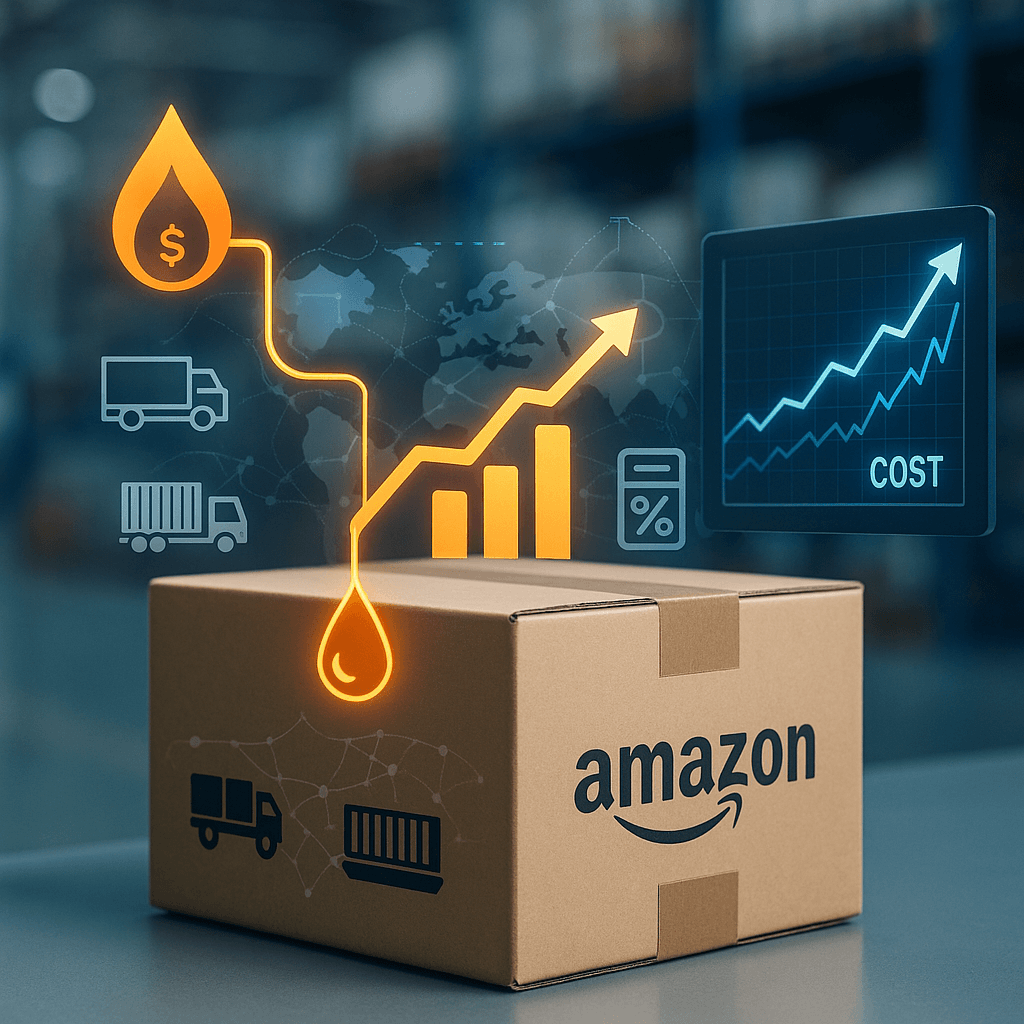
Amazon imposes new fuel surcharge on third-party sellers citing Iran war’s impact on global energy costs
- ■
Company calls fee “temporary” but provides no timeline for removal, leaving merchants in planning limbo
- ■
Move could force sellers to raise prices or absorb costs, affecting millions of products across the marketplace
- ■
First major e-commerce platform to publicly shift energy volatility costs to merchants amid geopolitical crisis
Amazon just threw its third-party sellers a curveball that could reshape marketplace economics for months to come. The e-commerce behemoth announced it’s implementing a fuel surcharge on merchant fees as global energy markets convulse from escalating conflict with Iran – but won’t say when the “temporary” policy ends. The move marks one of the first major platform responses to geopolitical energy volatility and could trigger a domino effect across online marketplaces, potentially hitting consumers with higher prices just as inflation concerns resurface.
Amazon is making its millions of third-party sellers pay for the fallout from global energy chaos. The company quietly rolled out a fuel surcharge that’ll hit merchant fees across its fulfillment network, according to TechCrunch. The timing isn’t subtle – oil prices have spiked nearly 40% since tensions with Iran exploded into open conflict three weeks ago, sending shockwaves through supply chains worldwide.
What’s catching sellers off guard isn’t just the fee itself, but the total lack of clarity around it. Amazon labeled the surcharge “temporary” in its announcement to merchants, yet couldn’t provide even a rough timeline for when it might disappear. That ambiguity leaves thousands of small businesses trying to plan inventory and pricing strategies essentially flying blind. For sellers already operating on razor-thin margins – often 10-15% after Amazon’s cut – even a small percentage increase in fees could mean the difference between profit and loss.
The move reveals how quickly geopolitical tremors translate into real costs for the e-commerce ecosystem. Amazon operates one of the world’s largest private logistics networks, with over 400,000 delivery vehicles and hundreds of aircraft moving packages globally. When fuel costs jump, those expenses cascade through every layer of the operation – from long-haul trucking to last-mile delivery vans. Rather than absorb those costs or pass them directly to consumers through higher Prime fees, Amazon’s chosen to push them onto the sellers who depend on its platform.
This isn’t Amazon’s first rodeo with fuel surcharges. The company implemented a similar 5% fee back in April 2022 when diesel prices hit record highs following Russia’s invasion of Ukraine. That surcharge stuck around for nearly eight months before quietly vanishing from fee schedules. Sellers who lived through that cycle are now bracing for a potentially longer haul this time, given the unpredictable nature of Middle East conflict and its impact on oil markets.










Leave a Reply