
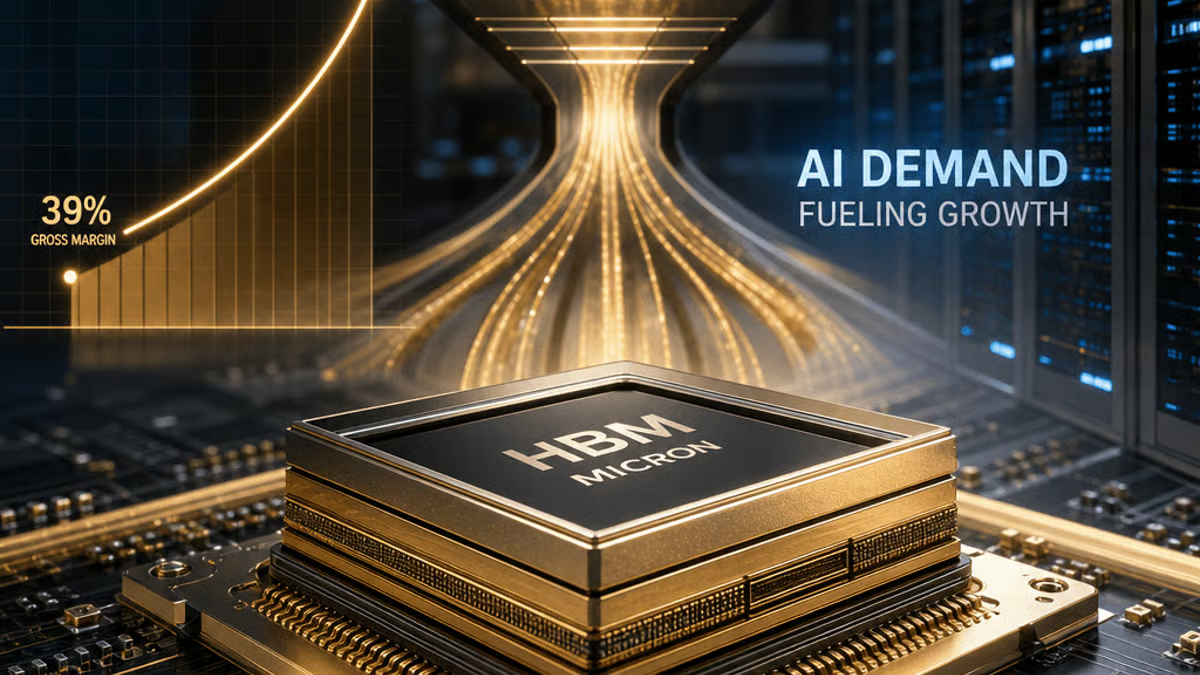
Micron Technology just pulled off one of the most dramatic profitability turnarounds in tech history, posting an 84.9% gross margin in its latest earnings report – catapulting the memory chipmaker past Nvidia and Meta to become the industry’s undisputed margin leader. The stunning figure, which nearly doubled from 39% just a year ago, signals how an acute memory supply crisis and surging AI demand have fundamentally reshaped semiconductor economics. For context, even Nvidia‘s legendary gross margins hover around 75%, while Meta typically runs in the low 80s.
Micron Technology just rewrote the rules of semiconductor profitability. The Boise-based memory chipmaker disclosed an 84.9% gross margin in its latest quarterly earnings – a figure that positions it above every major tech company and marks one of the most dramatic turnarounds in chip industry history. Just twelve months ago, Micron was scraping by with 39% margins as the memory market wallowed in oversupply.
The shift didn’t happen in a vacuum. A perfect storm of constrained manufacturing capacity, underinvestment during the 2023 memory downturn, and explosive demand from AI infrastructure buildouts has flipped the entire memory market on its head. Nvidia, previously tech’s margin darling with gross profits hovering around 75%, now finds itself in second place. Even Meta, which typically posts margins in the low 80s thanks to its advertising-driven business model, can’t match Micron’s newfound pricing power.
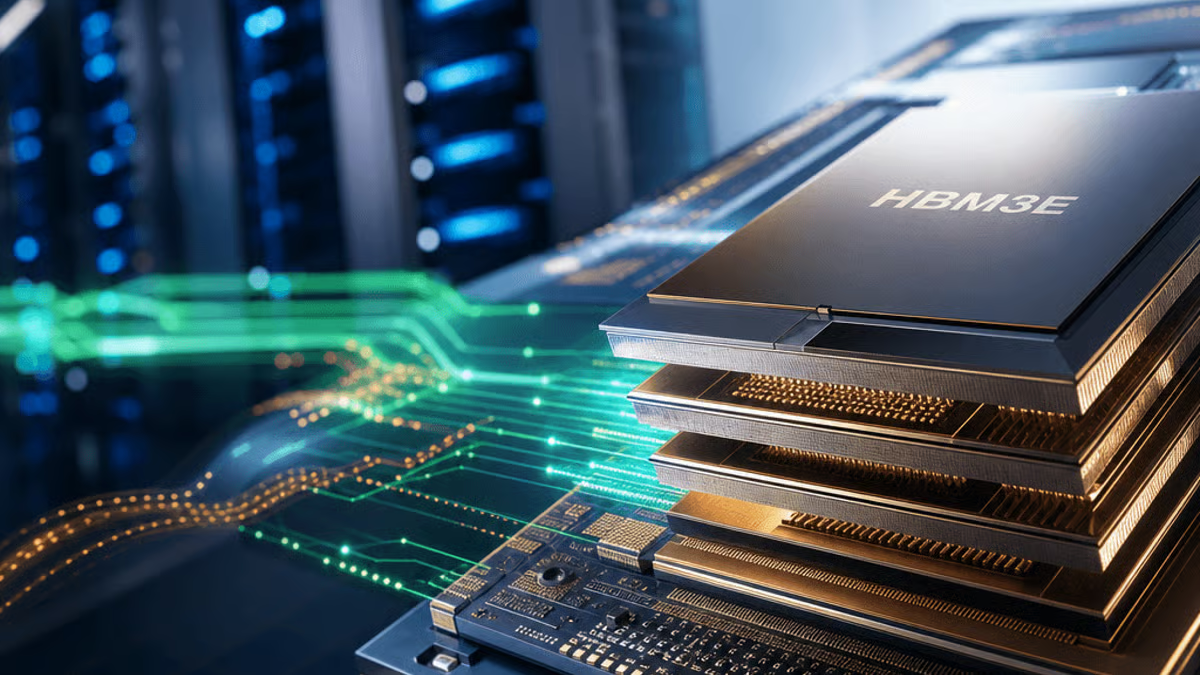
What’s driving this unprecedented profitability? High-bandwidth memory (HBM), the specialized chips that connect to AI accelerators in data centers, is selling at prices that would’ve seemed absurd two years ago. Industry sources indicate HBM3 modules are commanding premiums of 300-400% over standard DRAM, and lead times have stretched beyond nine months. Micron’s manufacturing capacity for these chips is completely sold out through early 2027.
“We’ve never seen pricing dynamics like this in memory,” one semiconductor analyst noted, speaking on background about the supply situation. “Normally memory is a commodity business with razor-thin margins. But when hyperscalers are in an arms race to build AI infrastructure and there’s only three suppliers who can make HBM at scale, economics change fast.”
The margin expansion reflects more than just favorable pricing. Micron has been aggressively shifting its product mix toward higher-value chips. DDR5 memory for data centers and high-performance computing now represents a substantially larger portion of shipments compared to commodity DRAM. The company’s advanced packaging capabilities, particularly for HBM, have become a strategic chokepoint that Nvidia and other AI chip designers can’t work around.
For context, semiconductor gross margins above 80% are virtually unheard of outside of specialized analog chips or IP licensing businesses. Manufacturing physical chips at scale typically involves significant material costs and capital depreciation that keeps margins in check. But Micron is effectively running a luxury goods business right now, allocating scarce supply to customers willing to pay premium prices while underinvesting competitors scramble to catch up.
The competitive landscape makes Micron’s position even more remarkable. Only Samsung and SK Hynix can manufacture HBM at comparable volumes, and both are capacity-constrained. Chinese memory manufacturers remain years behind on advanced packaging technology. This tight oligopoly, combined with multi-year AI infrastructure buildout cycles from Microsoft, Google, Amazon, and Meta, suggests Micron’s margin strength isn’t a temporary blip.
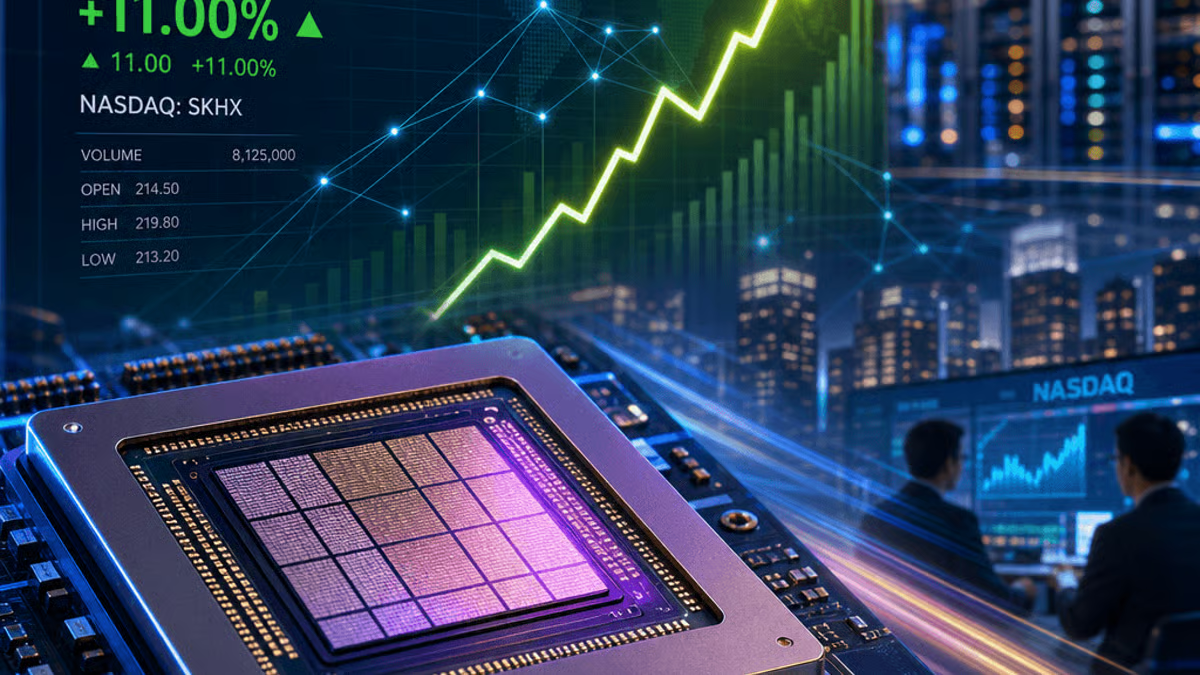
Investors are taking notice. Micron’s stock has rallied significantly on the earnings beat, though some analysts caution that such extreme margins eventually invite competition and customer pushback. Hyperscalers are already exploring alternative memory architectures and putting pressure on chip designers to reduce HBM content per system.
But for now, Micron is riding an unprecedented wave. The company’s transformation from a struggling commodity producer to tech’s most profitable hardware company illustrates how quickly semiconductor economics can shift when supply-demand imbalances collide with transformative technology cycles. The AI boom has created winners across the chip ecosystem, but Micron’s margin profile suggests it may be capturing the fattest slice of value in the entire stack.
The sustainability question looms large. Memory markets are historically cyclical, and margins this extreme typically trigger capacity expansions that eventually normalize pricing. Micron itself is investing billions in new fabs, though those facilities won’t come online until 2027 at the earliest. Samsung and SK Hynix are making similar moves. But with AI infrastructure spending projected to exceed $200 billion annually by 2027, the supply-demand equation may stay favorable longer than traditional cycles would suggest.
Micron’s ascent to tech’s margin throne marks a watershed moment for the semiconductor industry. The 84.9% gross margin isn’t just a number – it’s evidence of how completely AI infrastructure demand has reshaped chip economics. While cyclical pressures will eventually moderate pricing, the structural shift toward advanced memory architectures and the multi-year nature of data center buildouts suggest Micron’s profitability strength has staying power. For investors and industry watchers, the key question now is whether this represents a new normal or the peak of an exceptional cycle. Either way, Micron has proven that in the AI era, controlling critical bottlenecks in the supply chain translates directly to pricing power that rivals even the most valuable tech franchises.







Leave a Reply