
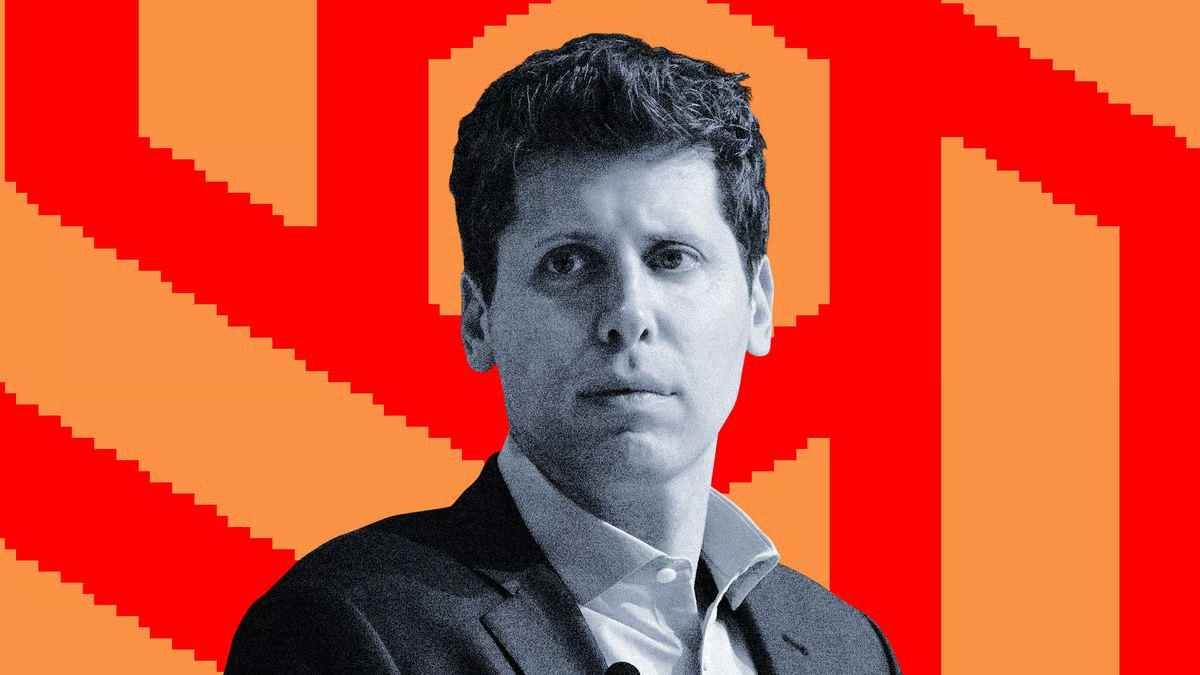
OpenAI just fired back hard at Apple’s blockbuster lawsuit. In a dismissal motion filed yesterday, the ChatGPT maker called the trade secrets theft allegations “rotten to its core” and fundamentally meritless. OpenAI argues that Apple is mischaracterizing routine product development info as confidential secrets and that former employees didn’t steal anything. The legal showdown between two tech titans is heating up, with major implications for how the industry handles talent mobility and IP protection in the AI arms race.
OpenAI isn’t backing down. The AI powerhouse just asked a federal judge to throw out Apple’s landmark lawsuit accusing it of trade secrets theft, delivering a scathing rebuke that calls the entire case fundamentally flawed. In a motion filed yesterday, OpenAI’s legal team describes the allegations as “rotten to its core” and argues that Apple is wildly mischaracterizing both employee actions and what actually qualifies as confidential information.
The dismissal request comes in response to Apple’s July lawsuit, which alleged that former Apple employees who joined OpenAI stole confidential documents to accelerate OpenAI’s product development. But OpenAI’s lawyers paint a completely different picture. They argue that what Apple calls “trade secrets” is actually generic product development information that any tech company would have, and that Apple failed to take reasonable steps to protect this supposedly sensitive data.
According to the court filing, OpenAI claims Apple is stretching the definition of trade secrets beyond recognition. The motion states that the information in question represents standard industry practices and publicly available concepts, not the kind of closely guarded proprietary knowledge that trade secret law is designed to protect. OpenAI’s defense hinges on the argument that you can’t claim something is secret if you didn’t treat it as secret in the first place.
The legal battle highlights the increasingly thorny issue of talent mobility in Silicon Valley’s AI boom. As companies race to build competitive AI products, they’re hiring aggressively from each other’s ranks. Former Apple employees bringing their expertise to OpenAI isn’t unusual – it’s how the tech industry has always operated. But Apple’s lawsuit suggests the iPhone maker believes OpenAI crossed a line from legitimate hiring to corporate espionage.
OpenAI has been expanding rapidly beyond its core ChatGPT business, with rumors of hardware products including smart speakers and AI-powered devices. This puts the company in more direct competition with Apple’s ecosystem, adding competitive tension to what might otherwise be a straightforward talent dispute. The timing of Apple’s lawsuit – coming as OpenAI pushes into consumer hardware – likely isn’t coincidental.
The dismissal motion doesn’t just play defense. OpenAI’s lawyers go on offense, suggesting that Apple’s lawsuit is an attempt to intimidate competitors and chill legitimate employee movement in the industry. By characterizing normal hiring practices as theft, OpenAI argues, Apple is trying to lock up talent and prevent them from working for rivals. That’s a significant claim that could reshape how companies approach non-compete agreements and trade secret protection.
Legal experts watching the case say it could set important precedent for the AI industry. If courts side with Apple’s broad interpretation of trade secrets, companies might gain powerful new tools to restrict where employees can work after leaving. But if OpenAI prevails, it would reinforce that employees can take their general knowledge and skills to new employers, even direct competitors.
The financial stakes are massive. Trade secret theft cases can result in damages running into hundreds of millions of dollars, plus injunctions that could force OpenAI to redesign products or halt certain development efforts. For Apple, the lawsuit is partly about protecting its own rumored AI hardware ambitions. The company has been slower than competitors to launch consumer AI products, and it can’t afford to let rivals gain advantages from its internal research.
Both companies are staying relatively quiet beyond the legal filings. Apple declined to comment on OpenAI’s dismissal motion, while OpenAI’s only public statement has been through its court documents. The case is assigned to a federal judge in California’s Northern District, the heart of tech industry litigation. A ruling on the dismissal motion could come within weeks, though the full case would likely drag on for months or years if it survives.
What happens next depends on how the judge interprets trade secret law and employee mobility rights. The court will need to decide whether Apple adequately protected the information it claims as secret, whether that information truly qualifies as proprietary, and whether OpenAI’s hiring practices crossed legal lines. Those questions don’t have easy answers, which is exactly why this case matters so much to the wider tech industry.
This legal showdown between Apple and OpenAI is about far more than one lawsuit. It’s a test case for how the AI industry will handle the fundamental tension between protecting intellectual property and allowing engineers to move between companies. If Apple’s expansive view of trade secrets wins out, expect tech companies to get much more aggressive about restricting employee mobility. But if OpenAI successfully argues that Apple is overreaching, it would preserve the talent fluidity that has defined Silicon Valley for decades. Either way, the ruling will echo through every AI company’s HR and legal departments, reshaping how the industry competes for talent in the years ahead.








Leave a Reply