

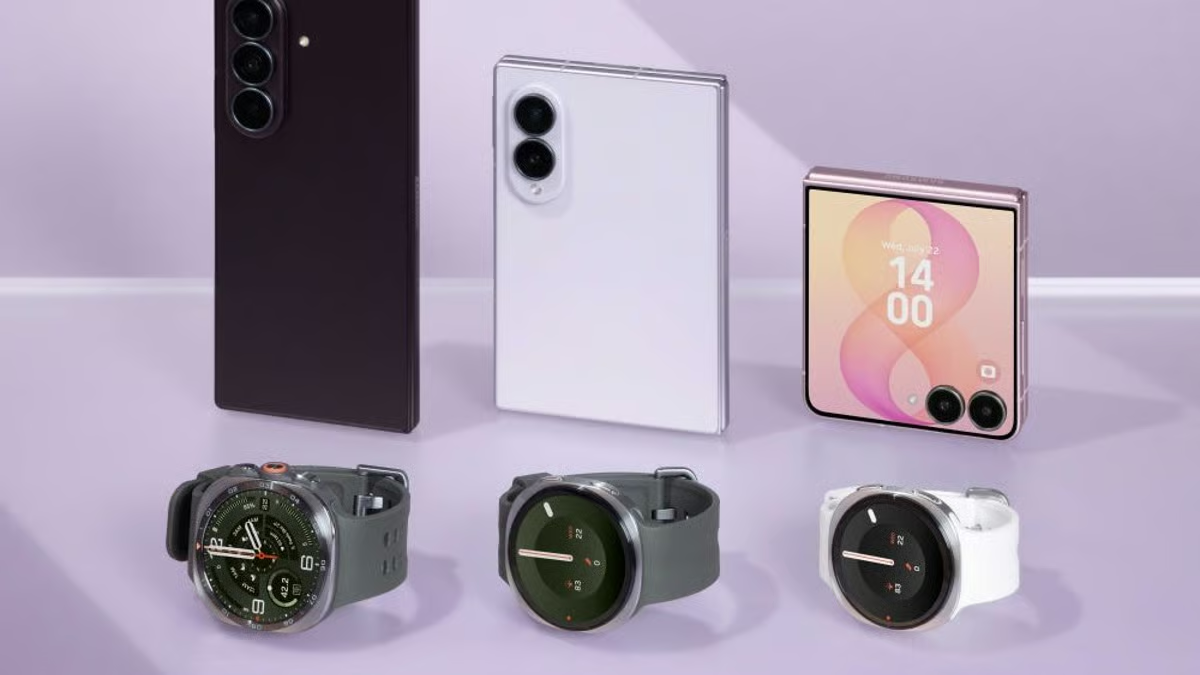
Samsung just launched its most ambitious foldable lineup yet, shipping the Galaxy Z Fold8 Ultra, Fold8, and Flip8 worldwide starting August 7. Pre-orders surged 30% over last year’s models, with the new Ultra variant bringing a 200MP camera system and 8-inch display to the foldable category for the first time. The launches signal Samsung’s push to make foldables mainstream while competitors like Apple watch from the sidelines.
Samsung Electronics is betting big on foldables becoming the mainstream phone category, and early numbers suggest consumers are buying in. The company’s new Galaxy Z series – featuring three distinct devices for the first time – saw pre-orders jump more than 30% compared to last year’s generation, according to Samsung’s official announcement. Global availability kicks off August 7 across 106 markets through carriers, retailers, and Samsung’s own channels.
The standout is the Galaxy Z Fold8 Ultra, which brings Samsung’s premium Ultra branding to foldables for the first time. It packs a 200MP main camera with High Dynamic Range support in full resolution mode – a first for any foldable device. A new 50MP ultra-wide camera rounds out the system, giving users more flexibility for landscape shots and macro photography. The expansive 8-inch main display opens up workspace while measuring just 4.1mm when unfolded and weighing 215g, making it Samsung’s slimmest Fold design despite the “Ultra” designation.
But Samsung isn’t just pushing specs. The company’s weaving AI throughout the experience via Google’s Gemini integration. A feature called Now Nudge analyzes conversations and suggests relevant next steps across supported apps – think transitioning from discussing dinner plans in chat to booking a restaurant. Dual Recording captures both subject and user reactions simultaneously, while My FanCam automatically tracks and reframes selected subjects during video recording. Every Galaxy Z series buyer gets six months of Google AI Pro with 5TB of cloud storage, valued at $119.94.
The standard Galaxy Z Fold8 takes a different approach, prioritizing portability over power. At just 201g, it’s Samsung’s lightest Fold yet, thanks to new Flex Titanium technology that supports a slimmer display structure while reducing crease visibility over time. The display ratios changed too – a wider cover screen handles quick interactions like messaging and short-form video, while the 4:3 main display suits immersive reading and gaming. Gemini Notebook lets users collect notes, images, recordings, files, and documents in one workspace.
Graphite emerged as the most popular color for both Fold8 variants during pre-orders, while Pink led sales for the Flip8. Among Samsung.com customers aged 15 to 34, exclusive colors Green Shadow (Fold8 Ultra), Pistachio (Fold8), and Mint (Flip8) topped the charts – a data point suggesting younger buyers gravitate toward bolder options when shopping direct.
Galaxy Z Flip8 leans into quick interactions through a reimagined FlexWindow that surfaces apps, insights, and AI assistance directly on the cover screen. Now Brief personalizes information based on schedules, routines, and interests without opening the device. Users can activate Gemini from the FlexWindow via side-key or voice, completing connected actions on the go. The 50MP camera system includes ProVisual Engine and FlexCam experiences for capturing polished content from flexible angles.
Samsung’s wearable strategy evolved alongside the phones. Galaxy Watch Ultra2 and Watch9 both run on Snapdragon Wear Elite processors with improved performance and battery life. The Ultra2 targets outdoor adventurers with an 800mAh battery (35% larger than the previous Ultra), 5,000-nit display brightness, titanium casing, and certifications including IP69K, 10 ATM, and EN 13319. It adds Trail Run tracking to Samsung’s growing list of outdoor sports modes.
Galaxy Watch9 serves as the everyday health companion in 40mm and 44mm aluminum cases, designed for 24/7 wear. The device tracks Vitals, Heart Health Score, Daily Cardio Load, and Fitness Index – metrics that turn raw data into actionable guidance. Both watches include 60-day Strava trials valued at $23.98 and two-month iFIT trials worth $19.98.
Switching to Galaxy got easier too. The updated Smart Switch lets iOS users scan a QR code and wirelessly transfer data without downloading additional apps. The tool now migrates passwords, passkeys, call history, accessibility settings, and eSIM information. Quick Share gained compatibility with AirDrop for seamless file sharing between iOS and Galaxy devices in both directions – a quiet but significant interoperability win.
Samsung Care+ sweetens the deal with three months of free coverage for customers who purchase foldables on Samsung.com and enroll in monthly plans. The program includes fast repairs for accidental damage, extended warranty coverage, and expert support. One UI 9 adds a Warranty and Care section in Settings that displays enrollment status, coverage details, and warranty expiration in one place.
The foldable market remains Samsung’s to lose. While Chinese competitors like Huawei and Xiaomi push innovative form factors in Asian markets, Samsung dominates globally with seven generations of foldable refinement. Apple continues sitting out the category entirely, leaving Samsung to define what mainstream foldables should look like. This year’s 30% pre-order growth suggests the formula is working, but sustaining momentum depends on whether the Ultra’s camera system and AI features justify premium pricing against improving traditional flagships.
Samsung’s three-device foldable strategy marks a maturation moment for the category. By segmenting Fold8 (lightweight), Fold8 Ultra (power user), and Flip8 (compact), the company addresses different use cases instead of forcing one design on everyone. The 30% pre-order bump and expanded AI integration via Gemini show foldables moving from novelty to necessity for a growing user base. But the real test comes in sustaining that momentum once buyers compare the Ultra’s $2,000+ price tag against traditional flagships from Apple and Google that keep getting better. Samsung’s betting its seven-generation head start in foldables creates enough differentiation to justify the premium – and so far, consumers seem willing to pay it.








Leave a Reply