
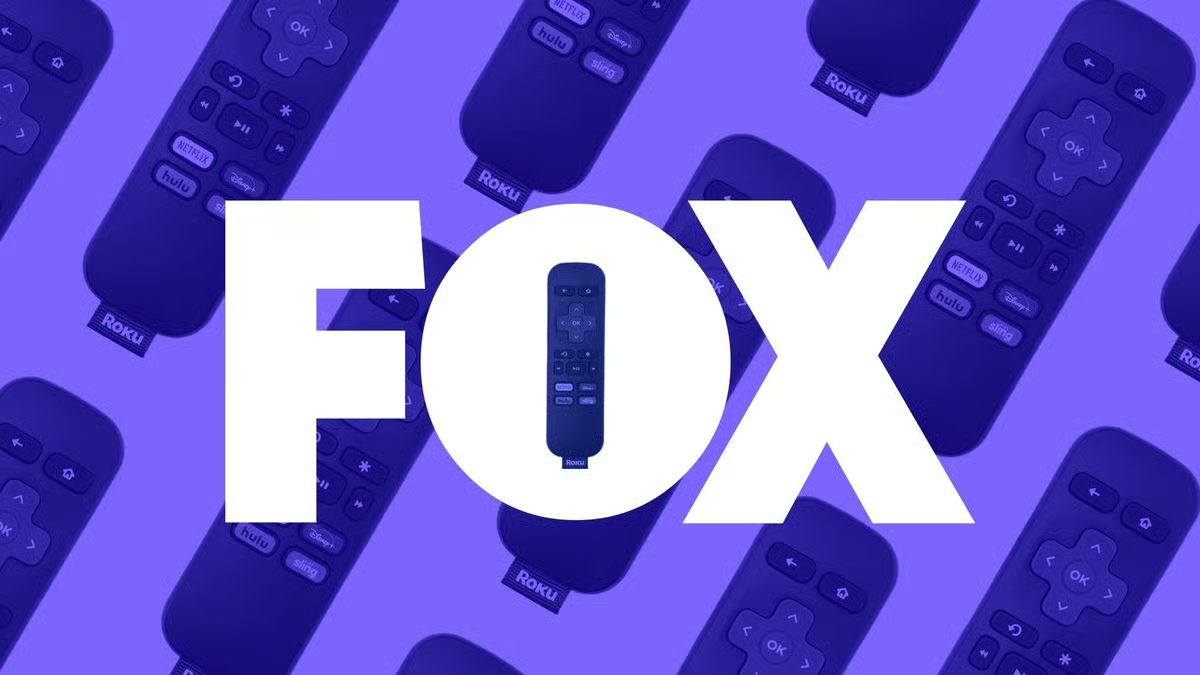
Fox just made its biggest play yet to dominate the living room. The media giant announced Monday it’s acquiring Roku for $22 billion, giving it control over the streaming gateway used by more than 100 million households worldwide. While Fox CEO Lachlan Murdoch says the companies will operate separately, the deal positions Fox to harvest viewer data and dictate which content gets prime placement on one of the world’s most popular streaming platforms.
Fox just reshaped the streaming wars with a single deal. The $22 billion acquisition of Roku announced Monday puts the media conglomerate in control of the purple-hued interface that’s become the default gateway for streaming in American homes. And it’s not just about the hardware – it’s about the data flowing through those devices every time someone queues up Netflix, Disney Plus, or Hulu.
The deal’s timing couldn’t be more strategic. Roku has quietly grown into one of the most powerful gatekeepers in streaming, with devices and smart TVs installed in more than 100 million homes worldwide. Every search, every click, every pause feeds into a data goldmine that Fox now controls. That’s leverage no traditional media company has ever possessed.
During an investor call, Fox CEO Lachlan Murdoch insisted the two companies will operate separately. But that’s the play everyone expected – keep Roku’s neutral platform appearance while Fox quietly integrates its content empire behind the scenes. The company plans to pump Fox Sports, news programming, and local stations directly into Roku’s ecosystem, giving its content premium placement on millions of home screens.
The acquisition marks a dramatic shift from Roku’s origins as a hardware maker that evolved into an advertising and platform business. The company’s stayed profitable by staying neutral – it doesn’t compete with the streaming services it hosts. Now that neutrality comes with a Fox-shaped asterisk. Competitors like Netflix and Disney will be wondering whether their content gets the same algorithmic treatment as Fox’s properties.
For Fox, the math is straightforward. Traditional TV viewership keeps declining while streaming platform owners are printing money from advertising and user data. Roku generated revenue primarily through its platform business – the ads it sells, the data it collects, the cut it takes from subscription sign-ups. That business model fits perfectly with Fox’s pivot from cable dominance to streaming survival.
The deal also puts pressure on other streaming middlemen. Amazon’s Fire TV and smart TV manufacturers like Samsung and LG now face a competitor with both hardware distribution and a massive content library. Apple TV, long the premium option, will need to justify its higher price point against a Fox-Roku combination that could bundle content and hardware.
But the real question is what happens to user data. Roku’s built its reputation on being the Switzerland of streaming – it shows you everything, tracks your viewing, but doesn’t favor any particular service. Fox’s content ambitions directly conflict with that neutrality. The company could theoretically prioritize its own shows in search results, recommend Fox content more aggressively, or use viewing data to inform its programming decisions in ways that disadvantage competitors.
Murdoch’s promise to keep the companies separate sounds like the standard regulatory appeasement. Every big tech acquisition starts with promises of independence – until integration starts and users barely notice the changes rolling out quarter by quarter. The FTC and DOJ will scrutinize this deal closely, especially given Fox’s existing media empire and Roku’s market position.
The streaming industry just got more consolidated, and that rarely benefits consumers. When platform owners also create content, they have every incentive to favor their own shows, bury competitors’ offerings, and leverage user data for competitive advantage. Fox isn’t buying Roku just to keep selling streaming sticks – it’s buying control over how 100 million households discover and consume content.
Fox’s Roku acquisition isn’t just another media M&A deal – it’s a fundamental restructuring of power in the streaming ecosystem. By controlling the platform where millions of viewers make their viewing choices, Fox gains leverage that traditional content creation alone could never provide. The real test comes when we see whether Roku’s neutrality survives Fox’s content ambitions, or whether the purple interface becomes just another vehicle for the Murdoch media machine. For consumers, the concern isn’t whether the interface changes color – it’s whether their viewing data and content choices remain truly theirs.








Leave a Reply