
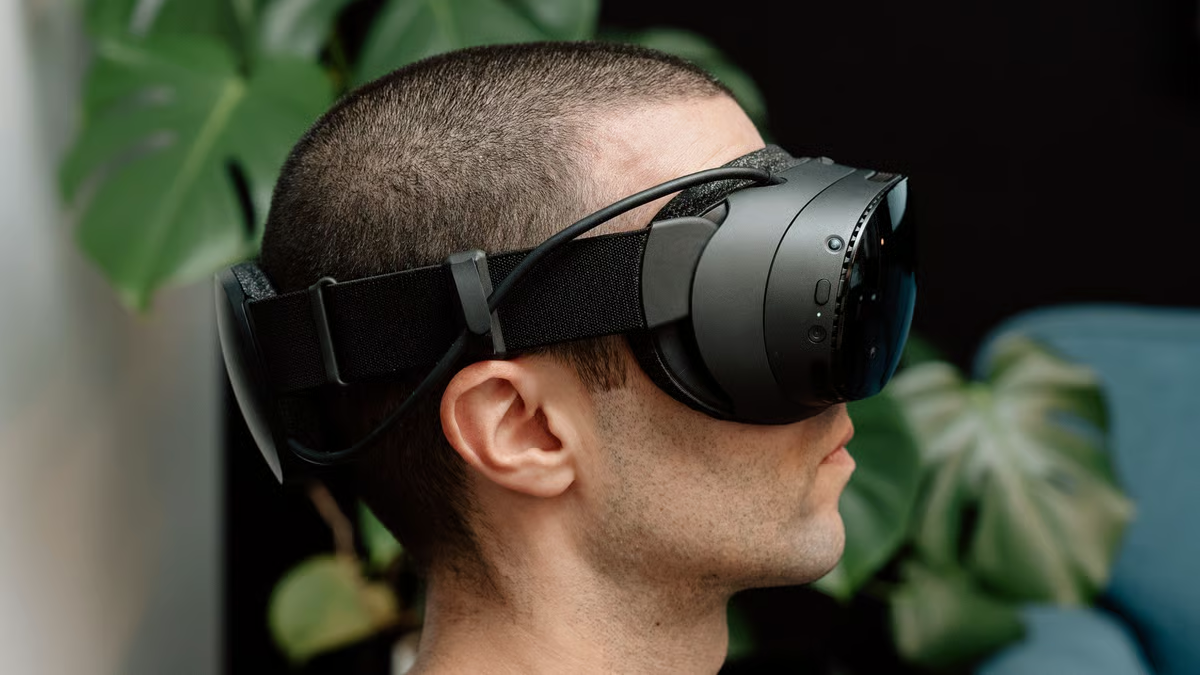
Valve just made its biggest VR bet yet. On June 10th, the German container ship Posen docked in Los Angeles carrying nearly 13 tons of Steam Frame headsets – the first mass production shipment of Valve’s new gaming device. According to import records flagged by VR analyst Brad Lynch, distribution partner Ceva offloaded 32 metric tons of “Virtual Reality Devices” on Valve’s behalf, signaling the company’s most aggressive VR hardware push since the original Index launched in 2019.
The numbers tell a story Valve hasn’t officially confirmed yet. After a two-week voyage from Shanghai, the container ship Posen arrived at the Port of Los Angeles with what VR hardware analyst Brad Lynch calls “almost certainly” the first mass production run of Steam Frame headsets. The customs paperwork doesn’t lie – 32 metric tons of Virtual Reality Devices cleared through Valve’s logistics partner Ceva, with roughly 13 tons representing actual product once you subtract the weight of five shipping containers.
It’s the same forensic approach The Verge used last month to reveal Valve imported 50 tons of game consoles across two days in May. But this shipment tells a different story – one focused entirely on VR hardware rather than the Steam Deck or rumored Steam Machine console. The timing matters too. Valve announced the Steam Frame back in November 2025 during a surprise reveal that caught the VR industry flat-footed, and early hands-on impressions suggested the device could bridge the gap between standalone VR convenience and PC-powered performance.
The logistics tell us more than Valve’s marketing ever will. Shipping 13 tons of headsets in a single container run isn’t a soft launch or developer kit distribution – it’s a full-scale retail push. For context, if the Steam Frame weighs roughly 500 grams (comparable to Meta‘s Quest 3), we’re looking at potentially 26,000 units in this shipment alone. That’s aggressive for a company that’s traditionally approached hardware with Valve Time caution.
What makes this significant isn’t just the volume – it’s the shift in strategy. Valve’s previous VR play, the Index, launched in 2019 with limited production runs that sold out within minutes. The company clearly learned from those supply chain headaches. By shipping massive quantities upfront and partnering with established logistics players like Ceva, Valve’s signaling it expects real consumer demand, not just enthusiast interest.
The competitive context matters here. Meta has dominated the standalone VR market with Quest devices, shipping millions of units while competitors struggled to gain traction. Sony’s PlayStation VR2 launched to lukewarm reception, hamstrung by its PlayStation 5 tethering. Apple‘s Vision Pro entered the market at $3,499, pricing itself into enterprise and early adopter territory. That left a gap for a gaming-focused, PC-compatible headset that doesn’t require a Facebook account or sacrifice visual fidelity.
Valve appears to be flooding that zone. The Steam Frame reportedly runs on ARM architecture with SteamOS integration, letting it function as both a standalone device and a wireless PC VR headset. That flexibility could be the killer feature Meta’s walled garden can’t match. According to import data visualizations from ImportYeti, Valve’s VR shipments spiked dramatically in early June while Steam Deck and Steam Machine imports paused – suggesting the company’s prioritizing Steam Frame production capacity.
The silence from Valve remains deafening. The company hasn’t announced pricing, a release date, or even official specs beyond what journalists gleaned from hands-on demos. That’s classic Valve – let the hardware speak for itself rather than orchestrating a traditional product launch. But import records don’t lie, and 13 tons of VR headsets sitting in a Los Angeles warehouse means retail availability is imminent, whether Valve’s ready to talk about it or not.
Industry watchers like Lynch have been tracking Valve’s supply chain movements for months, piecing together a launch timeline the company refuses to provide. The pattern suggests a late June or early July availability window, right as Meta prepares its own Quest 4 announcements and Apple reportedly works on a more affordable Vision Pro variant. Valve’s beating them to market with volume, and in consumer hardware, availability often matters more than perfection.
What we’re watching is Valve making a multi-front hardware push. The 50 tons of consoles imported in May likely include refreshed Steam Decks and potentially the long-rumored Steam Machine home console. Now comes 13 tons of VR headsets in a single day. The company that spent years avoiding hardware commitments is suddenly flooding channels across three product categories simultaneously. That’s not caution – that’s a land grab.
Valve’s playing a different game than its VR competitors. While Meta chases mainstream adoption with subsidized hardware and Apple targets premium buyers, Valve’s betting on the gaming community that already trusts Steam. Shipping 13 tons of headsets in one go isn’t just logistics – it’s a statement that VR gaming deserves the same production commitment as the Steam Deck received. If the Steam Frame delivers on the flexibility those early demos promised, this June shipment might mark the moment PC gamers finally got a VR headset worth the hype. The real test comes when Valve breaks its silence and reveals what all those warehoused headsets will actually cost.









Leave a Reply