
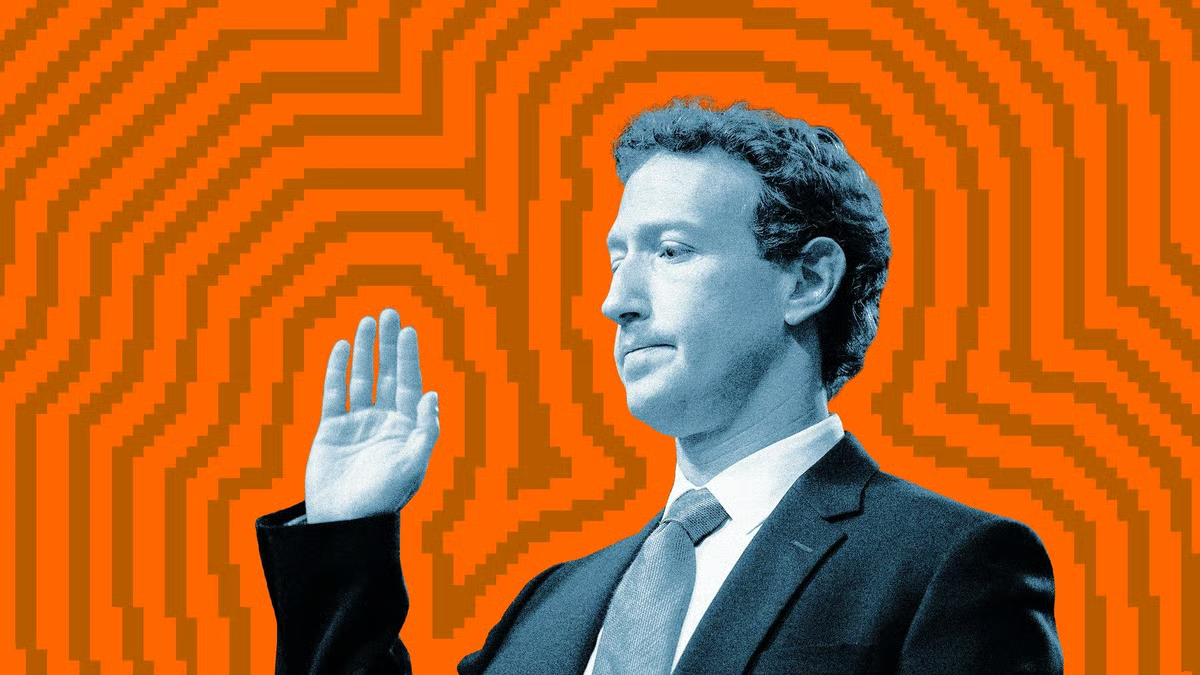
Meta just got slapped with a $567 million penalty in a landmark child safety ruling that marks a dramatic escalation in how courts are holding Big Tech accountable for youth mental health. A Santa Fe district court ruled Thursday that the company’s platforms are a “significant contributing cause” of New Mexico’s teen mental health crisis, bringing total damages in the case to nearly $1 billion. It’s the first time a U.S. court has officially declared a social media company a “public nuisance” for its impact on children.
Meta is facing its biggest legal reckoning yet over child safety. The $567 million penalty announced Thursday isn’t just another fine – it’s a judicial declaration that the company’s platforms constitute a threat to public health.
The ruling from New Mexico’s Santa Fe district court marks phase two of a case that began when state Attorney General Raúl Torrez sued Meta in 2023. According to court documents, the judge found that Facebook and Instagram’s algorithmic recommendation systems and design features have materially contributed to rising rates of anxiety, depression, and self-harm among teenagers across New Mexico.
“This case has always been about protecting children, standing up for families, and making sure that one of the world’s largest technology companies cannot profit from practices that endanger young people without consequence,” New Mexico Attorney General Raúl Torrez said in a statement following the ruling.
The “public nuisance” designation is particularly significant. It’s the same legal framework traditionally used against polluters and manufacturers of dangerous products – not digital platforms. By applying this doctrine to Meta, the court has essentially ruled that the company’s business model creates a persistent threat to community wellbeing, similar to environmental contamination or defective products.
This builds on an initial penalty phase earlier this year that already hit Meta with hundreds of millions in fines. The combined total approaching $1 billion represents one of the largest state-level penalties ever imposed on a tech company for platform safety failures.
The timing couldn’t be worse for Meta. CEO Mark Zuckerberg has spent the past year trying to rebuild the company’s reputation on safety issues, rolling out parental controls and announcing plans to restrict certain features for teen users. But internal documents cited in the New Mexico case reveal the company knew about harmful impacts on young users for years before taking action.
Meta isn’t alone in facing scrutiny. TikTok, Snapchat, and YouTube are all facing similar lawsuits in multiple states. But the New Mexico ruling represents the first time a court has moved beyond alleging harm to actually declaring a platform a legally recognized public health threat.
The company’s response has been muted so far. Meta declined to comment on the record about the ruling but is expected to appeal. Legal experts say the appeal could take years to resolve and may ultimately end up before the Supreme Court, potentially setting nationwide precedent on how social media platforms can be held liable for mental health impacts.
For other states watching closely, the New Mexico decision provides a roadmap. California, Texas, and Ohio have all filed similar suits against Meta and other platforms in recent months. The public nuisance framework could give prosecutors a powerful new tool that sidesteps some of the immunity protections tech companies have enjoyed under Section 230 of the Communications Decency Act.
The financial impact on Meta is real but manageable – the company generated over $130 billion in revenue last year. But the legal precedent is what matters. If other courts follow New Mexico’s lead, Meta could face billions more in penalties and be forced into costly platform redesigns that fundamentally change how it serves content to younger users.
Investors seem cautiously concerned. Meta’s stock dipped 2% in after-hours trading following the ruling, though analysts note the market had already priced in some level of legal liability from ongoing child safety cases.
What happens next depends largely on appeals and whether other jurisdictions pile on. But one thing is clear: the era of social media platforms operating without meaningful legal accountability for youth mental health impacts may be ending.
The New Mexico ruling against Meta represents more than just a hefty fine – it’s a fundamental shift in how courts view platform liability for youth mental health. By declaring Meta a public nuisance, the court has opened the door for other states to pursue similar cases using legal frameworks that bypass traditional tech immunity defenses. As appeals work through the system and other jurisdictions watch closely, this decision could mark the beginning of a new era where social media companies face meaningful legal consequences for algorithmic design choices that harm young users. The question now isn’t whether platforms will be held accountable, but how much accountability will cost them.








Leave a Reply