

The courtroom tension was palpable as Elon Musk‘s legal team pressed OpenAI CEO Sam Altman about his relationship with the billionaire entrepreneur. Musk’s central claim? That Altman and OpenAI President Greg Brockman are trying to ‘steal a charity’ – referring to OpenAI’s controversial transformation from a nonprofit research lab into a capped-profit powerhouse now valued at over $150 billion. The testimony marks a dramatic escalation in the bitter legal battle between Silicon Valley’s most prominent AI rivals.
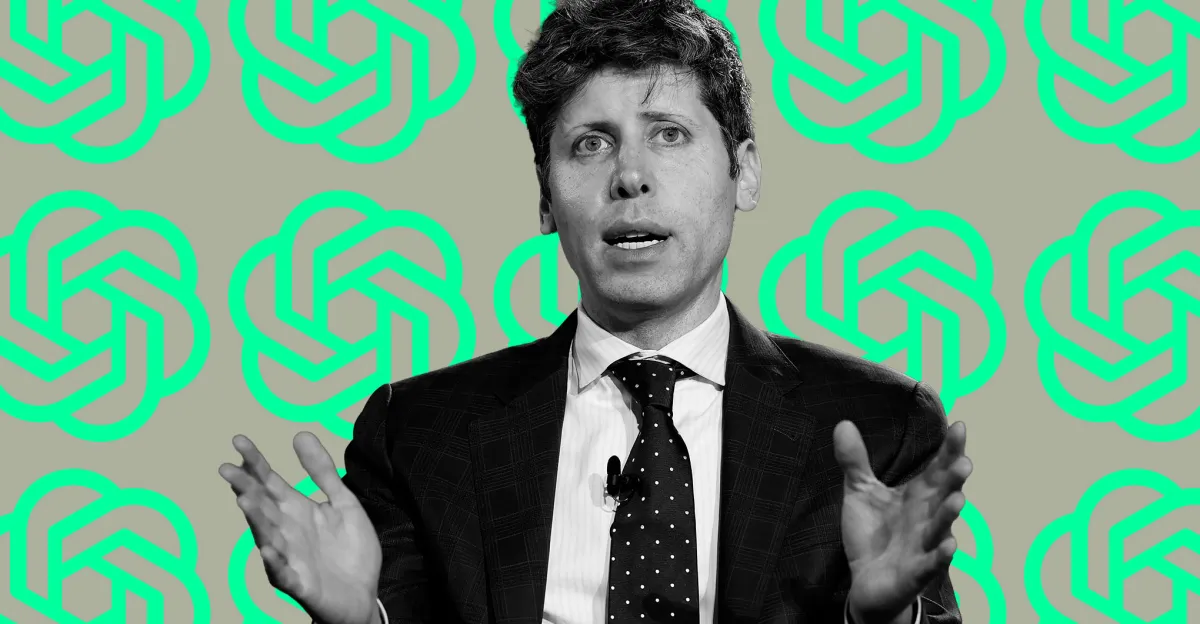
Sam Altman took the stand today in what’s shaping up to be one of the most consequential trials in AI history. The OpenAI CEO faced pointed questions from Elon Musk‘s legal team about the nature of his relationship with the Tesla founder and the decisions that transformed OpenAI from a nonprofit research organization into a commercial AI giant.
Musk’s accusation cuts to the heart of the dispute: that Altman and OpenAI President Greg Brockman engineered what amounts to the theft of a charitable institution. The billionaire co-founded OpenAI in 2015 as a nonprofit with a stated mission to ensure artificial general intelligence benefits all of humanity. He’s now alleging that mission was abandoned when the company created its capped-profit subsidiary in 2019 and subsequently partnered with Microsoft in a deal reportedly worth $13 billion.
The courtroom exchange grew tense as Musk’s attorney pressed Altman on communications between the two men during OpenAI’s early years. While specific details of today’s testimony remain limited, the line of questioning reportedly focused on when and how OpenAI’s leadership decided to pursue a for-profit structure – and whether Musk was properly informed or consulted about those pivotal decisions.
This isn’t just a personal dispute between former collaborators. The case carries enormous implications for the entire AI industry. OpenAI’s ChatGPT sparked the current generative AI boom, and the company’s corporate structure has become a template others are watching closely. If Musk prevails, it could force a fundamental reckoning with how AI labs balance their stated altruistic missions against the massive capital requirements of cutting-edge research.
The timing of Altman’s testimony is particularly notable. He follows appearances by other OpenAI executives, including former chief scientist Ilya Sutskever, whose own testimony reportedly shed light on internal debates about the company’s direction. Each witness appearance has added layers to the narrative of how a small nonprofit research lab evolved into one of the world’s most valuable private companies.
Musk’s legal team appears focused on establishing a pattern of decision-making that excluded the entrepreneur despite his early financial contributions and board involvement. According to previous court filings, Musk donated approximately $50 million to OpenAI before departing the board in 2018, citing conflicts with his work at Tesla. He’s argued that he was misled about OpenAI’s true intentions and that the company’s current structure violates its founding principles.
For his part, Altman has previously defended OpenAI’s evolution as necessary to compete in the rapidly advancing field of AI development. The company has maintained that its capped-profit structure – which limits returns to investors – preserves its mission while enabling it to attract the capital and talent needed to pursue AGI safely. The partnership with Microsoft brought not just funding but crucial computing resources through Azure cloud infrastructure.
The broader context matters here. The AI industry has seen multiple organizations struggle with similar tensions. Anthropic, founded by former OpenAI researchers, adopted a public-benefit corporation structure. Google‘s DeepMind maintained its separate identity even after acquisition. The question of how to fund enormously expensive AI research while maintaining stated ethical commitments has no easy answers.
What makes this trial particularly compelling is how it exposes the messy reality behind Silicon Valley’s lofty rhetoric about building technology for humanity’s benefit. The cross-examination of Altman – by all accounts uncomfortable – reveals the personal and professional ruptures that can occur when idealistic visions collide with commercial imperatives and ego.
As the trial continues, both the AI industry and the broader tech world are watching closely. The legal arguments being made could establish precedents about fiduciary duties, nonprofit governance, and the responsibilities of founders who accept charitable donations. For companies racing to develop transformative AI technologies while claiming altruistic motivations, the outcome could prove definitional.
The courtroom drama between Musk and Altman represents more than a dispute between two tech titans – it’s a referendum on whether AI development can truly serve humanity while generating massive commercial returns. As testimony continues, the trial is forcing uncomfortable questions about the gap between Silicon Valley’s stated ideals and actual practices. Whatever the verdict, the case has already succeeded in pulling back the curtain on the complex, often contradictory motivations driving the AI revolution. For an industry that prides itself on transparency and beneficence, that exposure may prove more consequential than any legal ruling.









Leave a Reply