
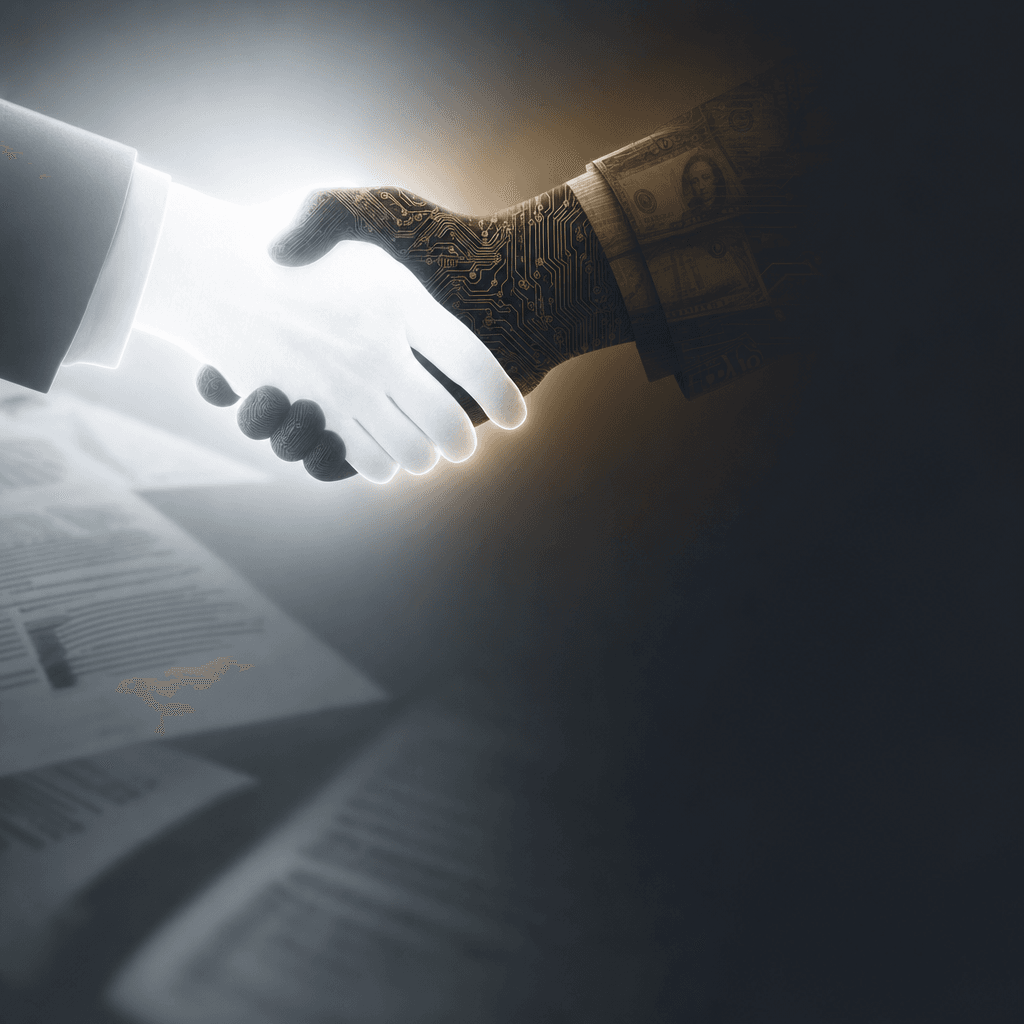
In a significant development in the ongoing legal battle between Elon Musk and OpenAI, Microsoft CEO Satya Nadella has been called to testify about his company’s substantial investment in the artificial intelligence firm. The testimony comes as Musk’s lawsuit against OpenAI expands to include Microsoft as a defendant, raising questions about the tech giant’s role in OpenAI’s transformation from a non-profit research organization to a commercial entity.
The testimony of Microsoft CEO Satya Nadella marks a pivotal moment in Elon Musk’s legal challenge against OpenAI, the artificial intelligence research laboratory he co-founded in 2015. Musk’s decision to name Microsoft as a defendant in his lawsuit underscores the complexity of the relationship between the two tech giants and raises fundamental questions about the direction of AI development.
Microsoft has emerged as OpenAI’s most significant financial backer, having invested billions of dollars in the company over recent years. This partnership has given Microsoft exclusive access to OpenAI’s cutting-edge technologies, including the GPT language models that power various AI applications. The relationship has been mutually beneficial, with Microsoft integrating OpenAI’s technology into its products while providing the computational resources necessary for training large-scale AI models.
Musk’s concerns, which are now the subject of legal proceedings, reportedly center on how Microsoft’s substantial investment has influenced OpenAI’s mission and operations. When OpenAI was founded, it positioned itself as a non-profit research organization dedicated to ensuring that artificial general intelligence benefits all of humanity. However, the creation of OpenAI LP, a capped-profit subsidiary, and the close partnership with Microsoft have led to questions about whether the organization has strayed from its original principles.
The inclusion of Microsoft as a defendant suggests that Musk believes the tech giant played a significant role in OpenAI’s transformation. Nadella’s testimony would likely address the nature of Microsoft’s investment, the terms of their partnership agreement, and the extent of Microsoft’s influence over OpenAI’s strategic decisions. These details are crucial to understanding whether OpenAI has maintained its commitment to its founding mission or has become primarily oriented toward commercial interests.
The lawsuit arrives at a time when the AI industry is experiencing unprecedented growth and scrutiny. OpenAI’s ChatGPT has sparked a global race among tech companies to develop and deploy advanced AI systems, with Microsoft leveraging its OpenAI partnership to compete against rivals like Google. The legal proceedings may shed light on the governance structures and agreements that shape how powerful AI technologies are developed and commercialized.
For Microsoft, the lawsuit represents a potential complication in its AI strategy. The company has positioned itself as a leader in responsible AI development while simultaneously pursuing aggressive commercial applications of the technology. Nadella’s testimony will be closely watched by industry observers, investors, and policymakers seeking to understand the dynamics between major tech companies and AI research organizations.
As the legal proceedings continue, Satya Nadella’s testimony will provide crucial insights into one of the most significant partnerships in the technology industry. The outcome of Musk’s lawsuit against OpenAI and Microsoft could have far-reaching implications for how AI development is funded, governed, and commercialized. With billions of dollars invested and the future of artificial intelligence at stake, this case represents more than a dispute between former colleagues—it reflects fundamental questions about the balance between profit motives and the public interest in developing transformative technologies. The tech community will be watching closely as the legal process unfolds.









Leave a Reply