
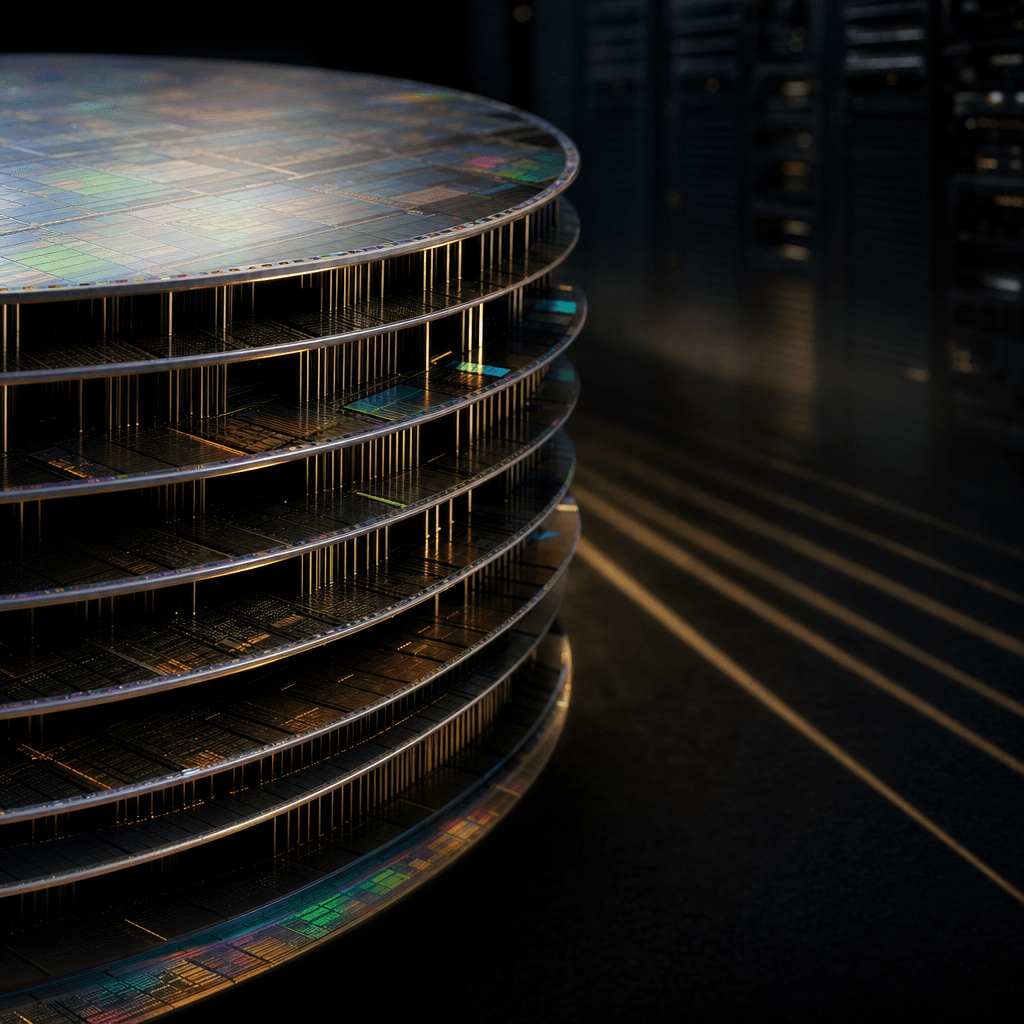
Samsung Electronics just posted one of the most dramatic earnings beats in semiconductor history. The Korean tech giant reported first-quarter operating profits that exploded over eight-fold year-over-year, smashing analyst estimates and hitting a new company record. The surge comes as the AI boom creates an unprecedented crunch for high-bandwidth memory chips that power data centers from Microsoft to Amazon. For an industry that’s seen wild swings, this marks a stunning reversal from just 18 months ago when chip oversupply hammered margins.
Samsung Electronics just proved that the AI gold rush isn’t slowing down – and the companies making the picks and shovels are cashing in hard. The world’s largest memory chip maker reported first-quarter operating profits that surged more than eight-fold compared to the same period last year, sailing past Wall Street’s already optimistic projections. The numbers represent not just a recovery but a complete market transformation, driven by insatiable demand for the specialized memory chips that make AI possible.
The timing couldn’t be more dramatic. Just 18 months ago, Samsung and rivals like SK Hynix were drowning in inventory as consumer electronics demand cratered post-pandemic. Memory chip prices collapsed, margins evaporated, and the industry braced for a brutal downturn. Fast forward to today, and those same factories can’t produce high-bandwidth memory (HBM) chips fast enough to satisfy Nvidia, Microsoft, Google, and every other company racing to build AI infrastructure.
HBM chips are the specialized memory modules that sit directly next to AI processors, feeding them the massive data flows required for training and running large language models. Unlike standard DRAM, HBM stacks memory dies vertically and connects them with thousands of microscopic through-silicon vias, achieving bandwidth that’s 10X faster than conventional memory. It’s this technical wizardry that’s become the bottleneck in AI data center expansion.
Samsung’s record quarter signals just how tight that bottleneck has become. While the company hasn’t released detailed breakdowns yet, industry analysts point to HBM sales as the primary profit driver. According to market research firm TrendForce, HBM prices jumped nearly 40% quarter-over-quarter in Q1, and lead times stretched to nine months or longer. That’s created a seller’s market not seen since the crypto mining boom of 2021.
The surge puts Samsung in direct competition with SK Hynix, which grabbed early market share by securing Nvidia as a key customer for its HBM3 chips. Samsung stumbled initially with quality issues on its HBM3 offerings but appears to have resolved those problems and ramped production aggressively. The company’s massive manufacturing scale – it operates some of the world’s largest semiconductor fabs in South Korea – gives it an advantage in meeting the tsunami of demand.
But it’s not just about AI training chips. The enterprise shift toward AI-powered applications is driving demand across Samsung’s entire memory portfolio. Cloud providers are upgrading server infrastructure to handle AI workloads, which requires more DRAM per server. Edge AI deployments in smartphones, cars, and IoT devices are boosting demand for lower-power memory variants. Even traditional data center expansions are benefiting from improved pricing as supply tightens across the board.
The profit explosion also highlights the strategic importance of semiconductor manufacturing in the global economy. Samsung’s South Korean fabs are now critical infrastructure for American tech giants’ AI ambitions, even as geopolitical tensions simmer and the U.S. pushes for domestic chip production through the CHIPS Act. The company’s ability to manufacture leading-edge memory at scale makes it indispensable to OpenAI, Meta, and others building the next generation of AI systems.
Investors are taking notice. Samsung’s stock has climbed steadily over the past six months as the AI memory thesis gained traction, though it still trades below the peaks seen during the 2017-2018 memory supercycle. The difference this time is sustainability – AI infrastructure buildouts are multi-year projects with long-term capital commitments, not the boom-bust cycles driven by consumer device upgrades.
The earnings beat also raises questions about capacity constraints ahead. Samsung and its competitors are pouring billions into new fab construction and equipment upgrades, but leading-edge memory production requires years to scale. If demand continues at this pace, the supply crunch could persist well into 2027, keeping prices elevated and margins fat. That’s great news for Samsung’s bottom line but potentially problematic for cloud providers and AI startups operating on tight budgets.
What happens next depends largely on how quickly the industry can expand production and whether AI infrastructure spending maintains its blistering pace. Samsung’s full earnings details, including capital expenditure plans and production roadmaps for next-generation HBM4 chips, will offer crucial clues when the company holds its detailed analyst call in the coming days.
Samsung’s record-breaking quarter is more than just an earnings beat – it’s a signal that the AI infrastructure arms race has entered a new phase where memory, not just processing power, is the critical constraint. As Nvidia, Microsoft, Google, and others pour hundreds of billions into data center buildouts, the companies that control HBM production hold extraordinary leverage. For Samsung, that means a stunning reversal from the chip glut of 2024 to a seller’s market that could last years. The question now isn’t whether AI will drive semiconductor profits, but whether manufacturers can scale fast enough to meet demand without triggering the next supply crisis. Investors, enterprise buyers, and policymakers are all watching the same thing: capital expenditure guidance and HBM4 timelines that will determine who gets the chips that power the AI economy.








Leave a Reply