

- ■
Sam Altman apologized to Tumbler Ridge, Canada residents for not reporting a mass shooting suspect’s OpenAI account to police before January attack
- ■
The incident exposes critical gaps in AI platform safety protocols and corporate obligations to report threatening behavior
- ■
Questions emerge about what OpenAI knew, when they knew it, and industry-wide content monitoring standards
- ■
The apology could trigger regulatory scrutiny of AI companies’ duty to warn law enforcement
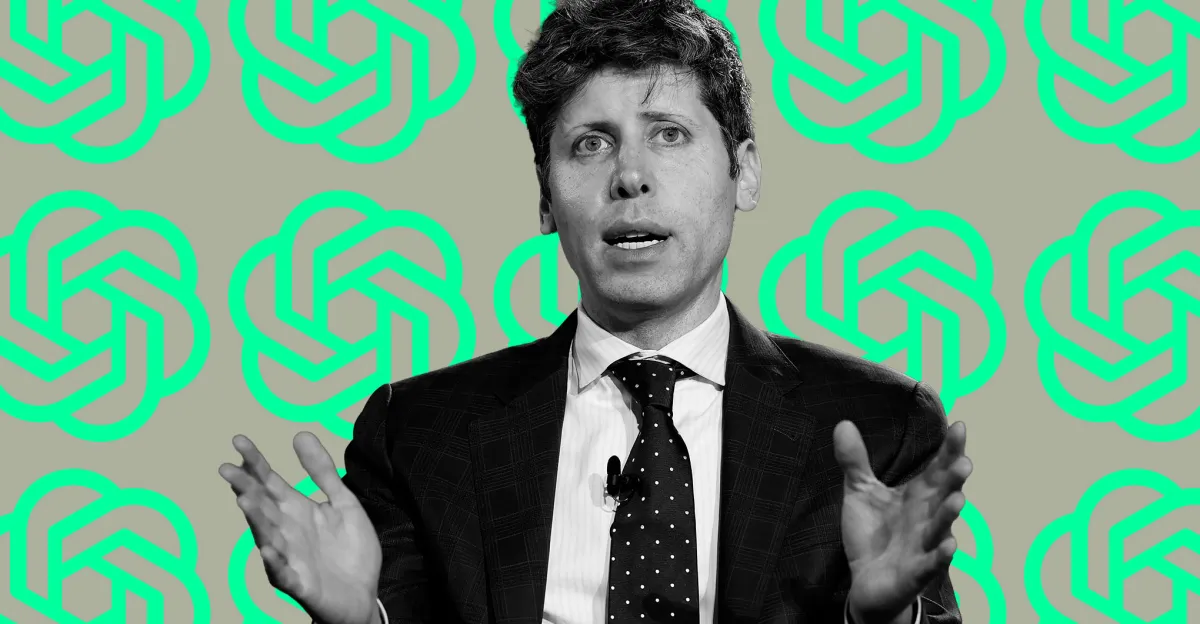
OpenAI CEO Sam Altman issued a public apology Thursday to residents of Tumbler Ridge, Canada, acknowledging the company failed to notify law enforcement about a mass shooting suspect’s account before a January attack. The admission raises urgent questions about AI companies’ responsibilities when users exhibit warning signs and what content moderation protocols exist to prevent tragedy. This marks a rare public accountability moment for the AI industry’s most prominent leader.
OpenAI CEO Sam Altman broke his silence Thursday with a terse apology that’s now reverberating across the AI industry. In a brief letter addressed to the people of Tumbler Ridge, Canada, Altman expressed regret for his company’s failure to alert police about a user account connected to a mass shooting suspect before the January attack unfolded.
The apology, reported by BBC News, offers few details but raises enormous questions. What exactly did OpenAI know about the suspect’s activity? When did they know it? And why didn’t existing content moderation systems trigger law enforcement notification?
The incident exposes a blind spot that’s been growing as AI chatbots become more sophisticated and widely used. While social media platforms face mounting pressure to report credible threats, AI companies operate in murkier territory. Unlike Meta or Google, which have established protocols for flagging violent content, AI labs haven’t faced the same level of regulatory scrutiny around duty-to-warn obligations.
Altman’s apology suggests OpenAI had information that, in hindsight, should have been shared with authorities. But the company hasn’t disclosed what their internal review uncovered or whether the suspect used ChatGPT to plan the attack, seek advice, or simply engage in concerning conversations that flew under the radar.
The timing is particularly awkward for OpenAI, which has spent months positioning itself as the responsible AI leader. The company recently published safety protocols and hired a trust and safety team from major tech firms. Yet this incident reveals those systems either didn’t catch the warning signs or failed to escalate them properly.
Legal experts say AI companies exist in a gray area. There’s no federal law in the U.S. or Canada explicitly requiring AI platforms to report threatening user behavior, unlike mandatory reporting for child exploitation content. That could change fast if regulators decide this tragedy represents a systemic failure.
The broader AI industry is watching nervously. If OpenAI faces legal consequences or new regulations emerge, every company from Anthropic to Google‘s DeepMind will need to overhaul their content monitoring systems. The cost and complexity of screening billions of AI interactions for credible threats could be staggering.
What makes this particularly thorny is the privacy dimension. AI conversations are often deeply personal, touching on mental health struggles, dark thoughts, and hypothetical scenarios. Drawing the line between protected expression and actionable threat isn’t just technically difficult – it’s philosophically fraught. Over-reporting could chill legitimate use cases, while under-reporting risks exactly what happened in Tumbler Ridge.
Altman’s brief apology doesn’t address any of these complexities. It reads more like crisis management than a meaningful reckoning with what went wrong. The people of Tumbler Ridge deserve answers, and so does everyone using AI tools without knowing what happens when conversations turn dark.
The incident also complicates OpenAI‘s ongoing negotiations with regulators worldwide. The EU’s AI Act includes provisions around high-risk systems, and this tragedy could influence how strictly those rules get enforced. U.S. lawmakers already skeptical of Big Tech’s self-regulation now have fresh ammunition.
Industry insiders say every major AI lab is quietly reviewing their content policies in light of this news. The question isn’t whether new protocols will emerge, but how invasive they’ll need to be to catch genuine threats without turning AI assistants into surveillance tools.
Altman’s apology opens more questions than it answers, but it marks a turning point for the AI industry. The days of treating chatbot conversations as purely private interactions may be ending. What emerges next – whether thoughtful safety protocols or heavy-handed surveillance – will shape how we use AI tools and what responsibilities companies bear when users cross dangerous lines. For now, the victims in Tumbler Ridge wait for answers that extend beyond a brief letter of regret.








Leave a Reply