

- ■
Google plans to invest up to $40B in Anthropic through a combination of cash and compute infrastructure, according to TechCrunch
- ■
The investment follows Anthropic’s limited release of Mythos, a cybersecurity-focused AI model that represents a major technical milestone
- ■
This marks one of the largest AI deals ever and escalates the compute capacity race among tech giants
- ■
The deal could reshape competitive dynamics as Google deepens ties with OpenAI’s chief rival
Google is preparing to inject up to $40 billion into Anthropic in a massive bet that would rank among the largest AI investments in history. The deal, combining cash and compute resources, comes as the AI arms race intensifies and follows Anthropic’s recent rollout of Mythos, a powerful cybersecurity-focused model that’s been released to select partners. The move signals Google’s determination to cement its position in the generative AI market while securing access to cutting-edge AI capabilities.
Google just made its biggest AI bet yet. The tech giant is preparing to pour up to $40 billion into Anthropic, the AI safety-focused startup founded by former OpenAI executives, in a deal that combines direct investment and massive compute infrastructure access. The announcement comes at a critical moment in the AI wars, as companies scramble to lock down the computational power needed to train increasingly sophisticated models.
The timing isn’t coincidental. Anthropic just rolled out Mythos, a specialized AI model designed for cybersecurity applications, to a limited group of enterprise partners. While details about Mythos remain scarce, sources familiar with the system describe it as a significant leap forward in AI’s ability to identify and respond to security threats. The limited release strategy suggests Anthropic is carefully managing access to its most advanced technology, a approach that mirrors how OpenAI initially handled GPT-4.
This isn’t Google’s first rodeo with Anthropic. The companies have maintained a partnership since 2022, when Google Cloud became Anthropic’s preferred cloud provider. But $40 billion represents a quantum leap in commitment, dwarfing most AI investments to date. For context, Microsoft’s much-publicized investment in OpenAI totaled around $13 billion across multiple rounds.
The deal’s structure reveals what’s really at stake in today’s AI economy. By offering both cash and compute, Google is essentially betting on two fronts. The financial injection gives Anthropic the capital needed to continue its research and compete for top talent in an overheated job market. But the compute commitment might be even more valuable, as access to advanced chips and data center capacity has become the ultimate bottleneck in AI development.
Anthropic has positioned itself as the responsible alternative in the AI race, emphasizing safety research and what it calls “constitutional AI” – systems designed with built-in ethical guidelines. That positioning has resonated with enterprise customers wary of reputational risks, and the company’s Claude family of models has gained traction in sectors like finance, healthcare, and now cybersecurity. The Mythos release doubles down on that enterprise focus, targeting one of the most lucrative and risk-sensitive markets in tech.
But this deal is about more than Anthropic’s technology. It’s a strategic chess move in Google’s broader AI battle with Microsoft and OpenAI. While Google has its own large language models in the Gemini family, backing Anthropic gives the company a hedge against competitive threats and access to alternative AI architectures. It’s the same playbook Microsoft used with OpenAI, securing preferential access to groundbreaking technology while maintaining its own parallel AI efforts.
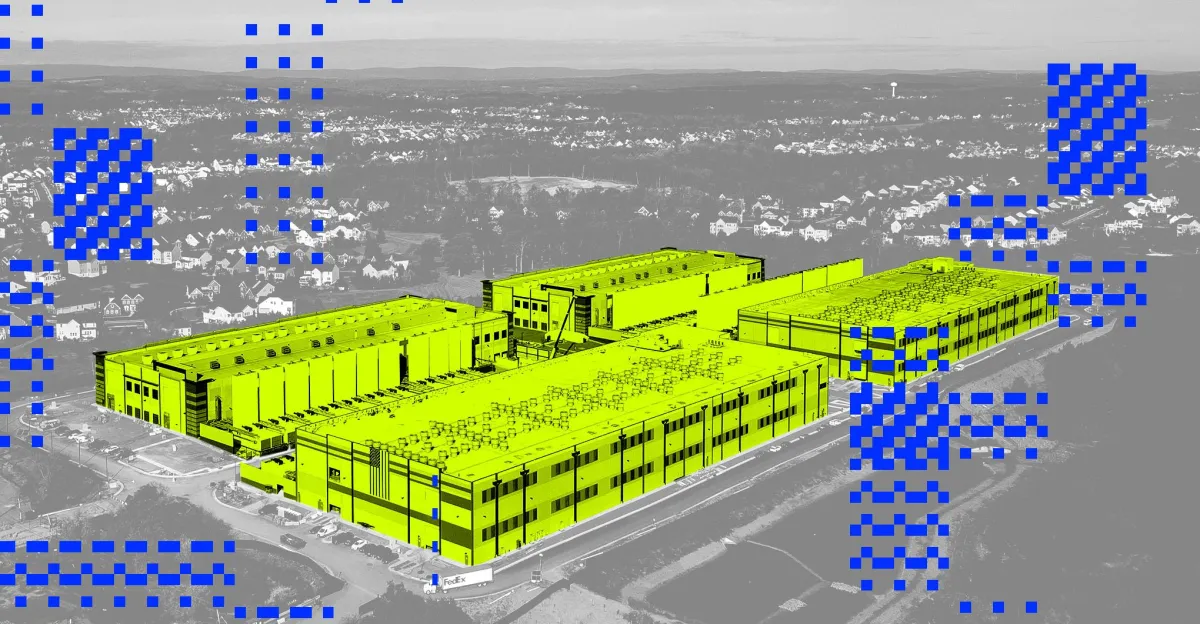
The compute capacity angle deserves special attention. Training frontier AI models requires thousands of specialized chips running for months, consuming enormous amounts of electricity. Nvidia’s GPU shortage has made compute the new oil in the tech industry, and companies are getting creative about securing access. By offering Anthropic compute credits on Google Cloud, Google ensures that Anthropic’s most advanced models will run on its infrastructure, generating valuable usage data and deepening technical integration.
Industry observers are already gaming out the ripple effects. Amazon, which invested $4 billion in Anthropic last year, now faces questions about how this mega-deal affects its own AI ambitions. Meta and Apple, both developing their own AI capabilities, may feel pressure to make similar strategic investments or risk falling behind in the compute arms race.
Regulators are likely watching too. A $40 billion investment gives Google enormous influence over one of OpenAI’s primary competitors, potentially raising antitrust concerns. The European Union and U.S. regulators have already shown interest in AI market concentration, and this deal could accelerate scrutiny of how big tech companies are using investments to shape the AI landscape.
For Anthropic, the capital provides runway to pursue increasingly ambitious research without the immediate pressure to monetize aggressively. The company has been methodical about commercialization, prioritizing model safety and capability improvements over rapid market expansion. With Google’s backing, that patient approach becomes more sustainable, even as competitors rush to market with consumer-facing AI products.
Google’s $40 billion commitment to Anthropic isn’t just a financial transaction – it’s a declaration of intent in the AI era. As the industry shifts from research novelty to infrastructure arms race, securing compute capacity and access to frontier models has become existential for tech giants. This deal reshapes the competitive map, giving Google a powerful hedge against OpenAI’s momentum while potentially accelerating Anthropic’s path to becoming a major enterprise AI player. Watch for regulatory scrutiny and competitive responses from Amazon, Microsoft, and others who can’t afford to sit out the biggest technology build-out since the cloud computing revolution.







Leave a Reply