
- ■
Anthropic temporarily banned Peter Steinberger from Claude API access after pricing changes affected OpenClaw users
- ■
The ban followed last week’s pricing adjustments that impacted how OpenClaw interfaces with Claude’s models
- ■
The incident exposes friction between AI platforms and third-party developers as companies tighten API controls
- ■
Developer community watching closely as AI labs balance growth with monetization strategies
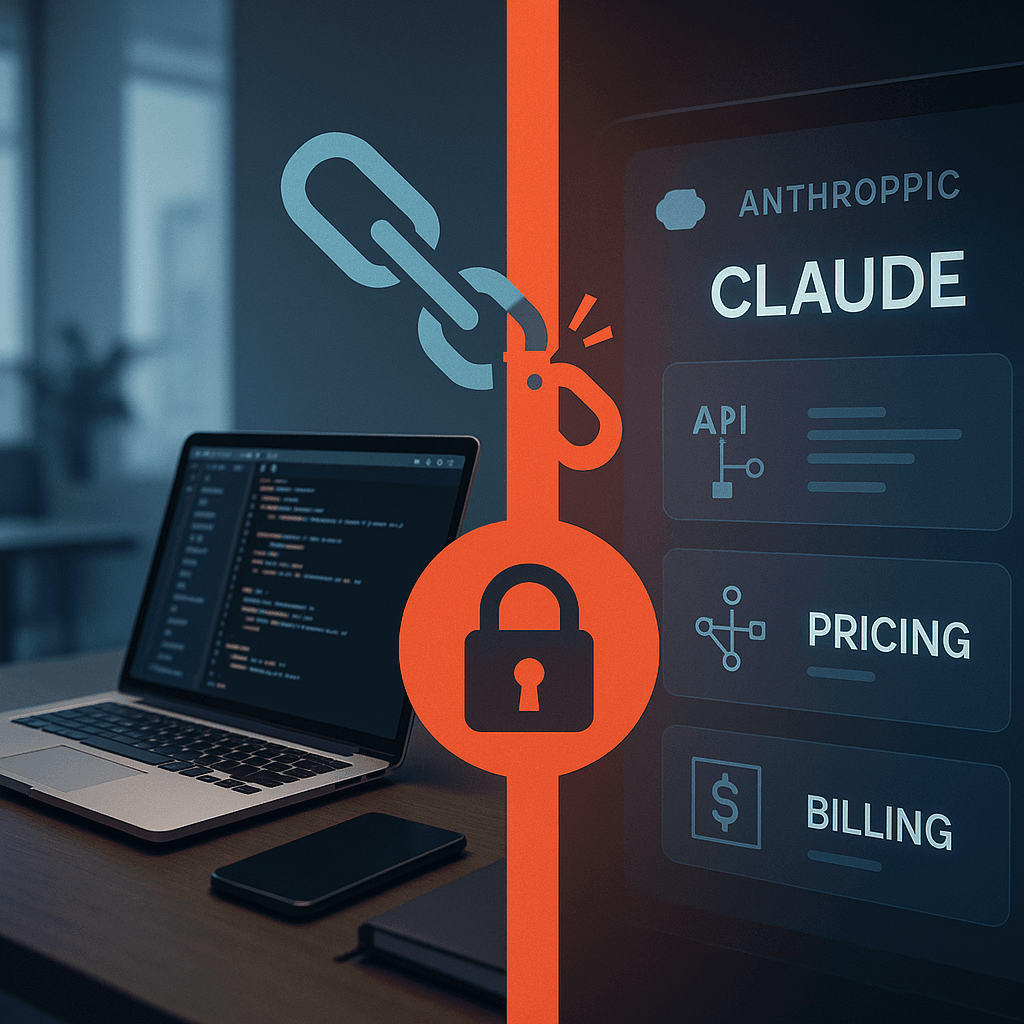
Anthropic temporarily banned Peter Steinberger, creator of OpenClaw, from accessing its Claude AI platform following a pricing dispute that erupted last week. The move highlights growing tensions between AI providers and developers building tools on top of their APIs, as companies navigate the delicate balance between monetization and developer relations. The ban, which has since been lifted, sent ripples through the AI developer community and raised questions about access policies at major AI labs.
Anthropic just landed itself in hot water with developers. The AI safety company temporarily cut off Peter Steinberger, the developer behind OpenClaw, from accessing its Claude API in what appears to be fallout from recent pricing changes.
The ban came after Anthropic adjusted its pricing structure for OpenClaw users last week, according to TechCrunch. While the company has since restored Steinberger’s access, the incident reveals the growing pains AI platforms face as they try to control how developers use their technology.
OpenClaw has become a popular tool among developers looking to build on top of Claude’s capabilities. Steinberger, known in developer circles for his work on iOS productivity tools, created OpenClaw to extend Claude’s functionality beyond Anthropic’s native interface. The project gained traction among developers who wanted more flexibility in how they interact with the AI model.
But that flexibility apparently crossed a line somewhere. The pricing dispute suggests Anthropic might be concerned about how third-party tools consume API credits, or whether they compete too directly with the company’s own offerings. It’s a familiar pattern in the tech industry – platforms welcome developers until those developers get too successful or use resources in unexpected ways.
The temporary ban raises uncomfortable questions about API access policies across the AI industry. OpenAI, Google, and Microsoft all face similar challenges as they open up their models to developers while trying to maintain control and profitability. One wrong move and you risk alienating the developer community that helps expand your platform’s reach.
For Anthropic, the timing is particularly awkward. The company has positioned itself as the more developer-friendly alternative to OpenAI, emphasizing safety and responsible AI development. Banning a prominent developer, even temporarily, undermines that narrative and makes developers think twice about building on Claude.
The incident also highlights how quickly pricing can become a flashpoint in the AI economy. As these companies move from research mode to sustainable business models, they’re discovering that developers who built tools during the generous early days aren’t thrilled about sudden cost increases. Anthropic isn’t alone here – OpenAI faced similar backlash when it adjusted API pricing earlier this year.
What’s less clear is what specifically triggered the ban. Did Steinberger push back too hard on the pricing changes? Did OpenClaw’s usage patterns violate terms of service? Or was this just an overzealous automated system flagging unusual activity? Anthropic hasn’t publicly commented on the specifics, leaving developers to speculate.
The broader context matters too. AI companies are under pressure to prove they can actually make money, not just burn through venture capital. Anthropic raised billions but still needs to show investors a path to profitability. That means getting serious about pricing and usage policies, even if it creates friction with developers.
Steinberger’s reinstatement suggests Anthropic recognized the ban was a mistake, or at least bad optics. But the damage to developer trust might linger. Building on someone else’s platform always carries risk – this incident just made that risk more tangible for Claude developers.
The developer community is watching what happens next. Will Anthropic clarify its policies around third-party tools? Will pricing stabilize or continue to fluctuate? And most importantly, can developers count on consistent access to Claude, or should they have backup plans?
This episode serves as a wake-up call for developers betting big on AI platforms. While Anthropic walked back the ban, the incident exposes the fragile relationship between AI providers and the developer ecosystem they depend on. As these companies chase profitability through pricing adjustments and tighter controls, they’ll need to find ways to enforce policies without torching goodwill. For developers, the message is clear: diversify your dependencies, because even the most developer-friendly platforms can pull the plug when business interests collide with community expectations.








Leave a Reply