
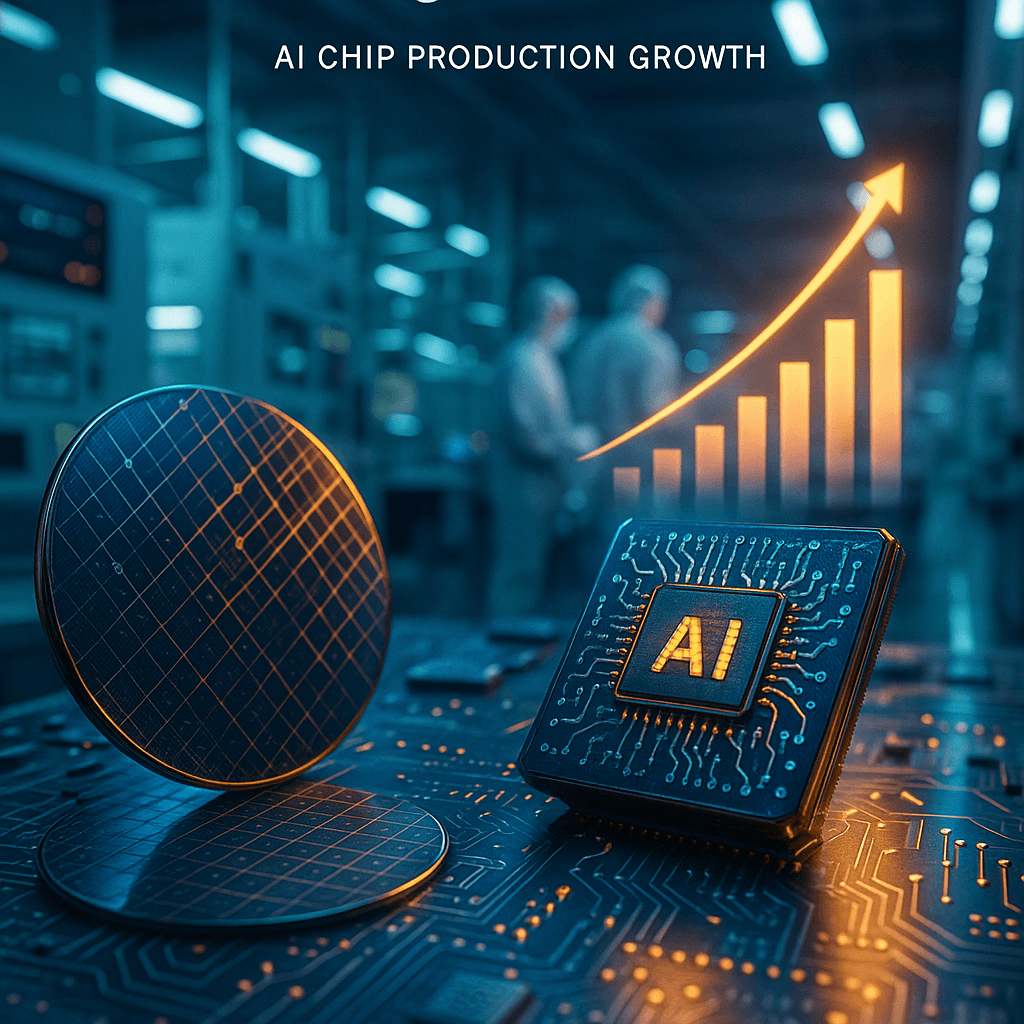
Chinese semiconductor companies are posting record-breaking revenues as U.S. export restrictions backfire spectacularly, pushing domestic tech giants to source chips locally. The surge comes as China’s AI infrastructure build-out accelerates, creating a captive market worth billions for homegrown chipmakers who’ve long operated in the shadow of Western competitors. It’s a dramatic reversal that’s reshaping global semiconductor dynamics and proving that trade barriers can cut both ways.
The numbers tell a story U.S. policymakers didn’t anticipate. Chinese semiconductor manufacturers are reporting their strongest financial performance in history, fueled by a perfect storm of surging AI infrastructure demand and American export restrictions that have effectively handed them a protected domestic market worth hundreds of billions of dollars.
Domestic AI development is driving unprecedented chip consumption across China. Tech giants like Alibaba, Tencent, and Baidu are racing to build large language models and AI services that require massive computing power. With U.S. restrictions blocking access to advanced chips from Nvidia and AMD, these companies have no choice but to turn to local suppliers.
The pivot has been dramatic. Chinese chipmakers who once struggled to compete against Western rivals are now reporting order backlogs stretching months into the future. Companies like SMIC, Hua Hong Semiconductor, and dozens of smaller firms are expanding production capacity at a breakneck pace, hiring thousands of engineers and investing billions in new fabrication facilities.
What makes this particularly striking is the timeline. Just two years ago, American semiconductor executives confidently predicted that export controls would cripple China’s tech ambitions by denying access to cutting-edge chips. Instead, the restrictions triggered exactly what they were meant to prevent – a coordinated national effort to achieve chip independence that’s now bearing fruit faster than anyone expected.
The AI boom amplified everything. China’s government has made artificial intelligence a strategic priority, pouring state funding into research programs and offering generous subsidies to companies developing AI capabilities. That policy push combined with genuine market demand has created a gold rush atmosphere in Chinese tech circles. Every major company wants its own AI models, its own inference capabilities, its own edge in the emerging intelligent economy.







Leave a Reply