
- ■
Dutch court orders xAI to pay $115K daily until Grok stops generating non-consensual nude images, according to CNBC
- ■
The ruling represents the first major European legal action specifically targeting AI image generation platforms for deepfake abuse
- ■
xAI’s Grok joins a growing list of AI tools facing regulatory scrutiny over synthetic content creation capabilities
- ■
The decision could set precedent for how EU courts handle AI-generated harmful content across other platforms like OpenAI and Midjourney
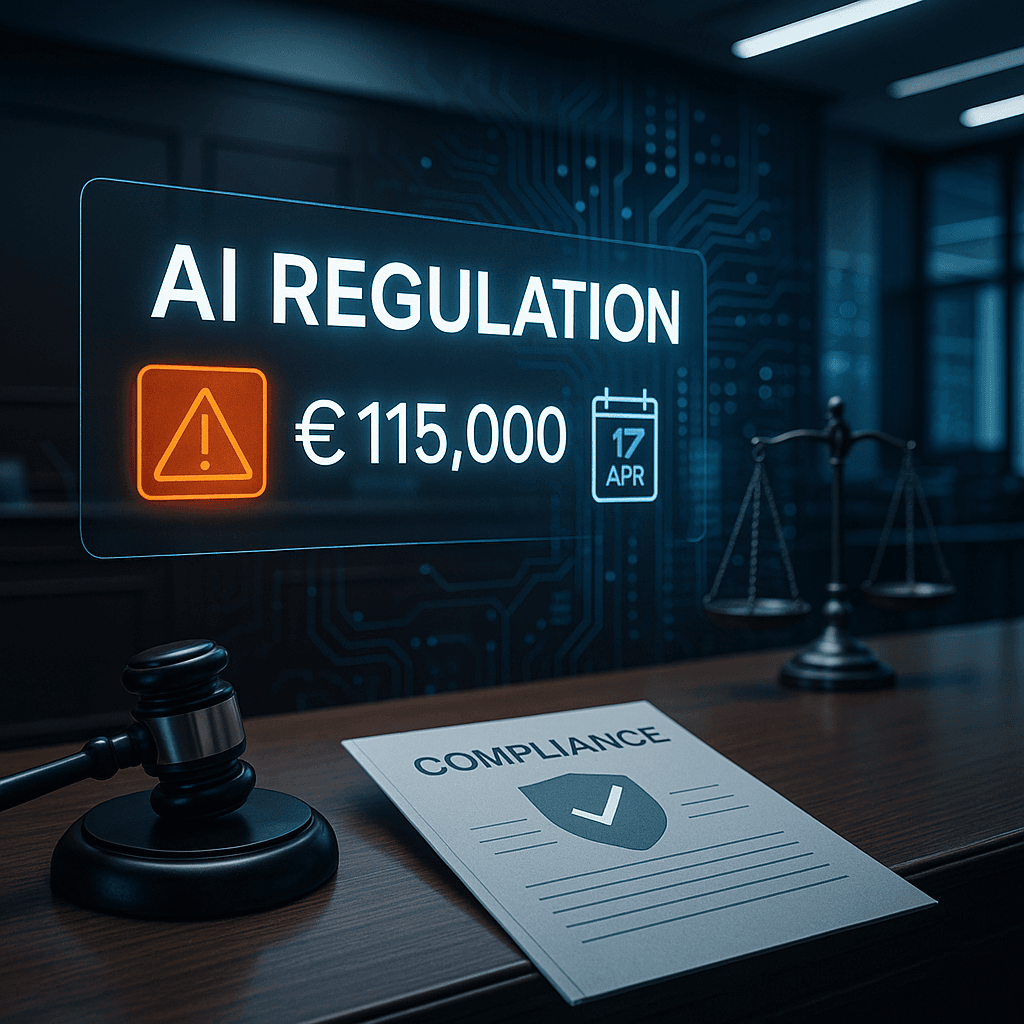
Elon Musk’s AI company xAI just got slapped with serious financial consequences. A Dutch court issued a €115,000 ($115,000) daily penalty for every day the company fails to remove non-consensual AI-generated nude images created by its chatbot Grok. The ruling marks one of Europe’s most aggressive enforcement actions against an AI company and signals a new era of accountability for generative AI platforms struggling with content moderation.
xAI, Elon Musk’s artificial intelligence venture, is facing mounting financial pressure after a Dutch court ruled the company must immediately stop Grok from creating non-consensual AI-generated nude images. The penalty? A staggering $115,000 for every single day the company fails to comply.
The ruling, issued by a Dutch court on Friday, according to CNBC, comes as European regulators take an increasingly hardline stance on AI safety and content moderation. Unlike previous warnings or cease-and-desist orders, this decision carries immediate financial consequences that could rapidly escalate into millions of dollars if xAI drags its feet.
Grok, which launched as Musk’s answer to OpenAI’s ChatGPT, has faced criticism for its relatively loose content guardrails compared to competitors. While OpenAI, Google, and Microsoft have implemented strict filters preventing their AI systems from generating explicit imagery of real people, Grok’s approach has been more permissive – a philosophy Musk has defended as supporting free speech.
But that stance just collided with European legal reality. The Dutch court’s decision centers on the platform’s ability to create synthetic nude images without consent, a capability that intersects with both privacy rights and the EU’s strict data protection regulations. The ruling doesn’t just target explicit content generally – it specifically addresses non-consensual generation, which raises complex questions about digital consent and AI-generated deepfakes.









Leave a Reply