
- ■
Whoop founder Will Ahmed is pushing the company beyond its elite athlete base to target mass-market consumers, competing directly with Oura
- ■
The company is navigating FDA regulations as it evolves from fitness tracker to potential medical device capable of detecting serious health conditions
- ■
After 14 years focused on professional athletes, Whoop faces the challenge of making its subscription model appeal to mainstream users
- ■
The pivot tests whether consumer health wearables can cross into legitimate medical territory without losing their core user base
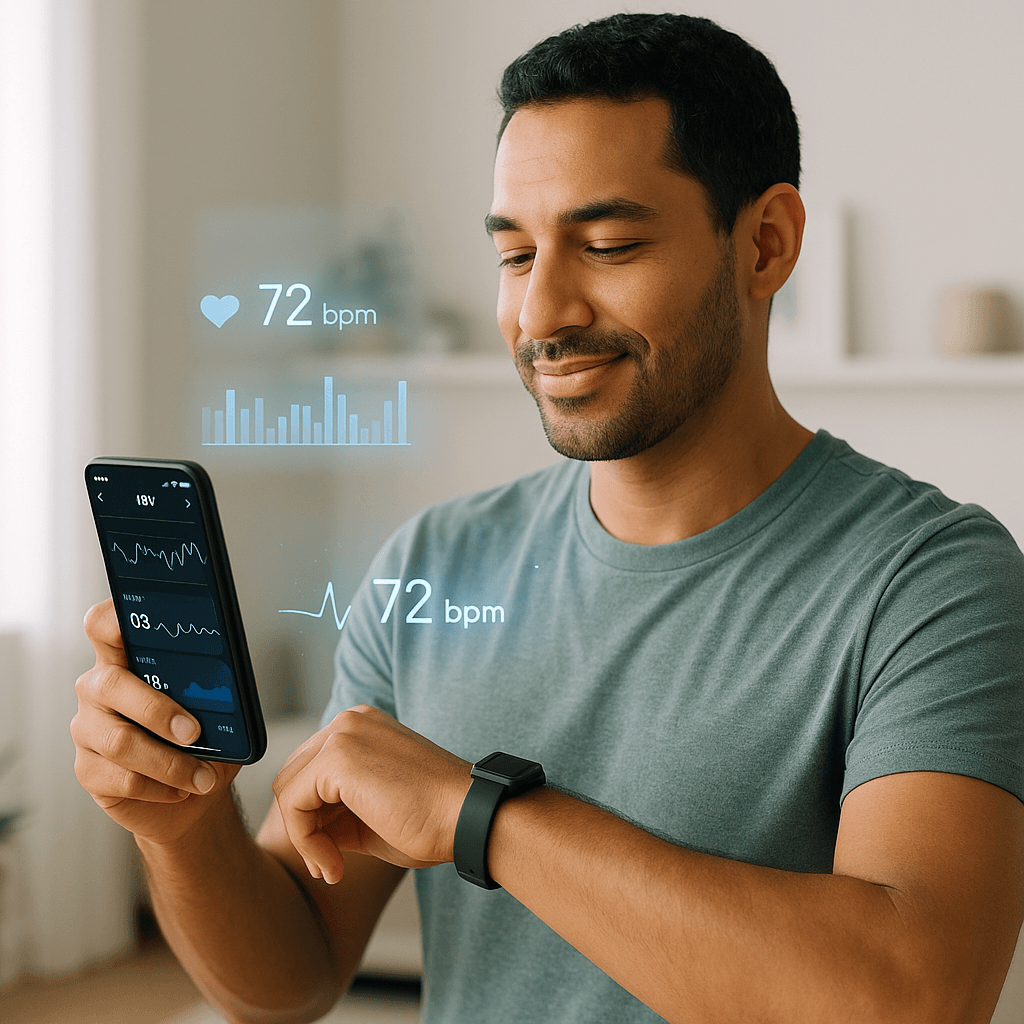
After 14 years building a health wearable for elite athletes like LeBron James, Whoop is making its biggest bet yet – going after everyday consumers. Founder Will Ahmed is racing against rivals like Oura and navigating FDA regulations to transform the company’s subscription-based fitness tracker into a mainstream health tool that could detect serious medical conditions before they become life-threatening. The shift marks a critical inflection point for the Boston-based startup as it attempts to break out of its premium athlete niche.
Whoop built its reputation on the wrists of champions. LeBron James wears one. So do countless NFL players, CrossFit athletes, and Olympic contenders. But founder Will Ahmed isn’t satisfied with owning the locker room anymore – he wants the living room too.
After spending 14 years perfecting a health wearable for the world’s most elite performers, Ahmed is now steering Whoop toward a vastly different audience: your mom, your neighbor, anyone who wants to understand what’s happening inside their body. It’s an ambitious pivot that puts the Boston-based company on a collision course with Oura, the smart ring maker that’s already captured significant mainstream market share, and raises thorny questions about FDA oversight and the future of consumer medicine.
The stakes are higher than just market share. Ahmed believes Whoop can evolve from a performance optimization tool into something that could literally save lives by detecting early warning signs of heart conditions, sleep disorders, or other serious health issues. That vision requires navigating the complex world of medical device regulation, where the FDA draws careful lines between wellness products and diagnostic tools.
Whoop’s subscription model – users pay monthly fees rather than buying hardware outright – has worked well with dedicated athletes willing to invest in marginal gains. Convincing casual fitness enthusiasts to commit to ongoing payments is a different challenge entirely. The company charges $30 per month or $239 annually, a premium price point in a market where Apple Watch and Fitbit offer one-time purchase options.











Leave a Reply