
- ■
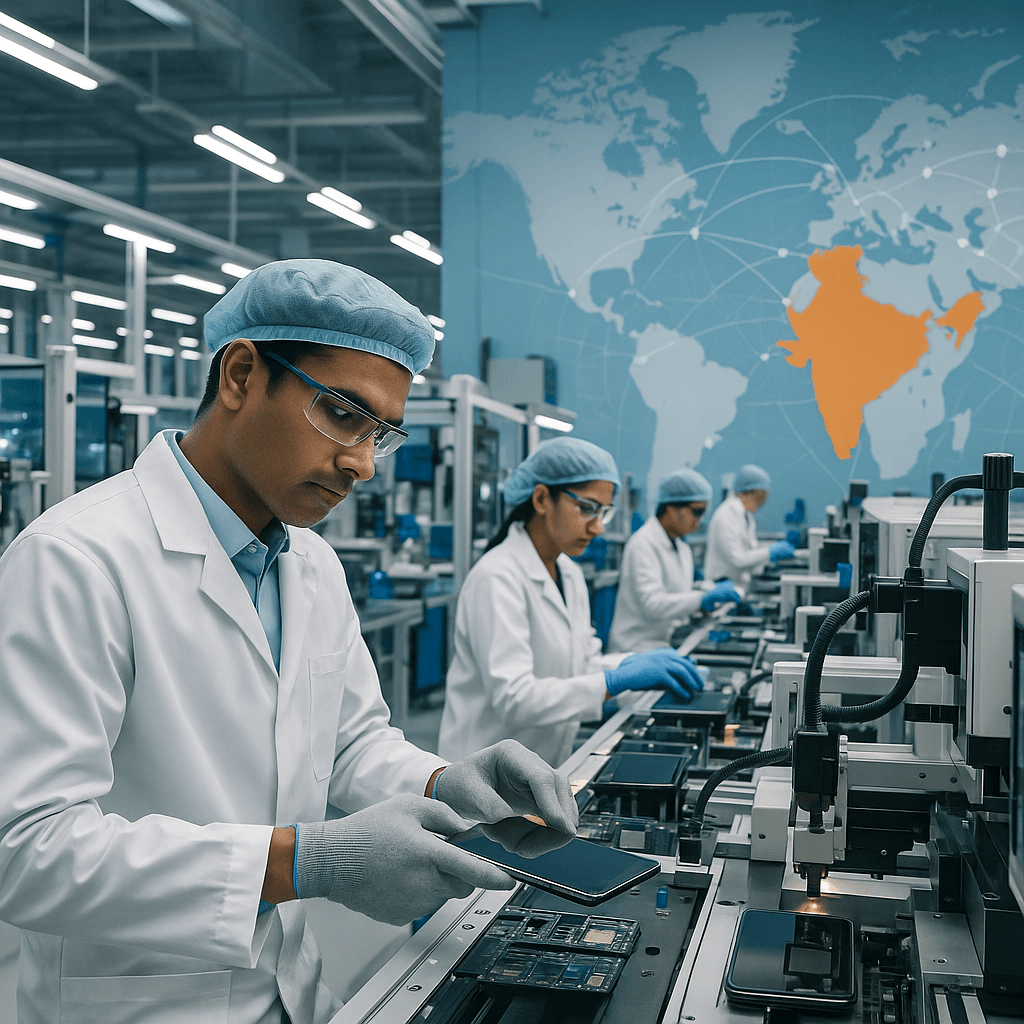
Apple manufactured 55 million iPhones in India in 2025, hitting 25% of global production according to TechCrunch
- ■
The milestone accelerates Apple’s pivot from China as geopolitical tensions and operational risks mount
- ■
India’s transformation into a major iPhone production hub reshapes global electronics manufacturing dynamics
- ■
The shift could pressure competitors like Samsung and Google to follow Apple’s manufacturing diversification playbook
Apple just hit a major manufacturing milestone that signals a dramatic reshuffling of global tech supply chains. The company produced 55 million iPhones in India last year – representing one in every four units worldwide – as it accelerates its pivot away from China amid growing geopolitical and operational uncertainties. The shift marks Apple’s most aggressive supply chain diversification move yet, transforming India into a critical manufacturing hub that now rivals traditional production centers.
Apple’s bet on India just paid off in a big way. The tech giant produced 55 million iPhones in the country during 2025, crossing the symbolic threshold of 25% of its global manufacturing output, according to a TechCrunch report. It’s a stunning acceleration of a strategy that seemed almost impossible just five years ago when India accounted for barely a fraction of iPhone production.
The numbers tell a story of urgency. Apple’s been systematically reducing its dependence on China, where political tensions, COVID-related lockdowns, and rising labor costs created a perfect storm of supply chain vulnerabilities. The Cupertino company watched competitors struggle with factory shutdowns and shipping delays, then quietly started moving production capacity to India at a pace that caught even industry watchers off guard.
Apple isn’t doing this alone. The company’s partnered with contract manufacturers including Foxconn, Pegatron, and Tata Electronics to build out massive production facilities across India. These aren’t small operations – we’re talking about factories employing tens of thousands of workers, equipped with the same precision manufacturing capabilities that made China the world’s factory floor for decades.
The Indian government’s production-linked incentive scheme sweetened the deal considerably. Under the program, manufacturers get financial incentives tied to production volumes, making India competitive with established manufacturing hubs. Apple’s been one of the biggest beneficiaries, though the company’s also investing heavily in training programs and supply chain infrastructure that goes well beyond what government subsidies cover.











Leave a Reply