
- ■
Google quietly launched an offline-first AI dictation app for iOS powered by Gemma models, per TechCrunch
- ■
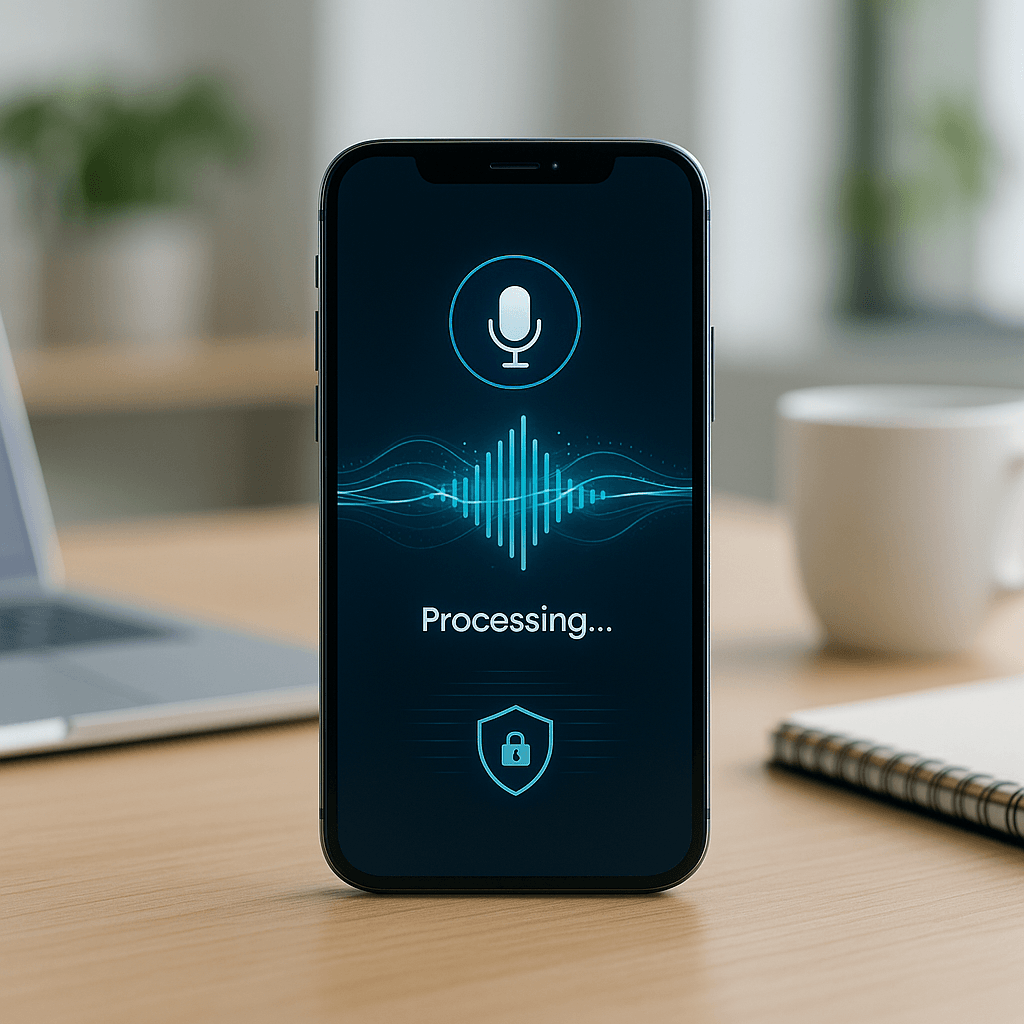
The app runs entirely on-device without internet connectivity, competing directly with emerging players like Wispr Flow in the voice-to-text space
- ■
The move demonstrates Google’s push to deploy practical on-device AI applications using its lightweight Gemma model family
- ■
Privacy-first offline processing could reshape how users interact with AI-powered productivity tools across mobile platforms
Google just made a surprise move in the voice AI race. The company quietly released an offline-first dictation app for iOS that runs entirely on-device using its Gemma AI models, directly challenging upstart Wispr Flow and signaling a broader industry shift toward privacy-focused, local AI processing. The stealth launch, first reported by TechCrunch, marks Google’s latest experiment in deploying lightweight AI models for consumer productivity tools.
Google is making a quiet but significant play in the AI dictation space. The company released an offline-first dictation app for iOS that processes voice input entirely on-device using its Gemma AI models, according to TechCrunch. The launch flew under the radar with no official announcement or press release, a departure from Google’s typical product rollout strategy.
The timing puts Google in direct competition with Wispr Flow, a buzzy startup that’s been gaining traction with its own offline dictation technology. Wispr Flow has carved out a niche among productivity-focused users who want accurate voice-to-text without sending their conversations to the cloud. Now Google’s throwing its considerable AI muscle into the same fight.
What makes this launch notable isn’t just the product itself but what it represents. Google’s decision to use its Gemma model family – lightweight AI models designed specifically for on-device deployment – shows the company is serious about making AI work locally on phones and tablets. The Gemma models, which Google released earlier as part of its broader AI strategy, are optimized to run efficiently on mobile hardware without requiring constant internet connectivity or server-side processing.
The offline-first approach addresses growing privacy concerns around voice AI. Traditional dictation tools like Google’s own Gboard send audio snippets to cloud servers for processing, raising questions about data collection and surveillance. By keeping everything local, Google’s new app sidesteps those concerns entirely. Your voice never leaves your device, and the AI does all its work using the phone’s own computing power.











Leave a Reply