
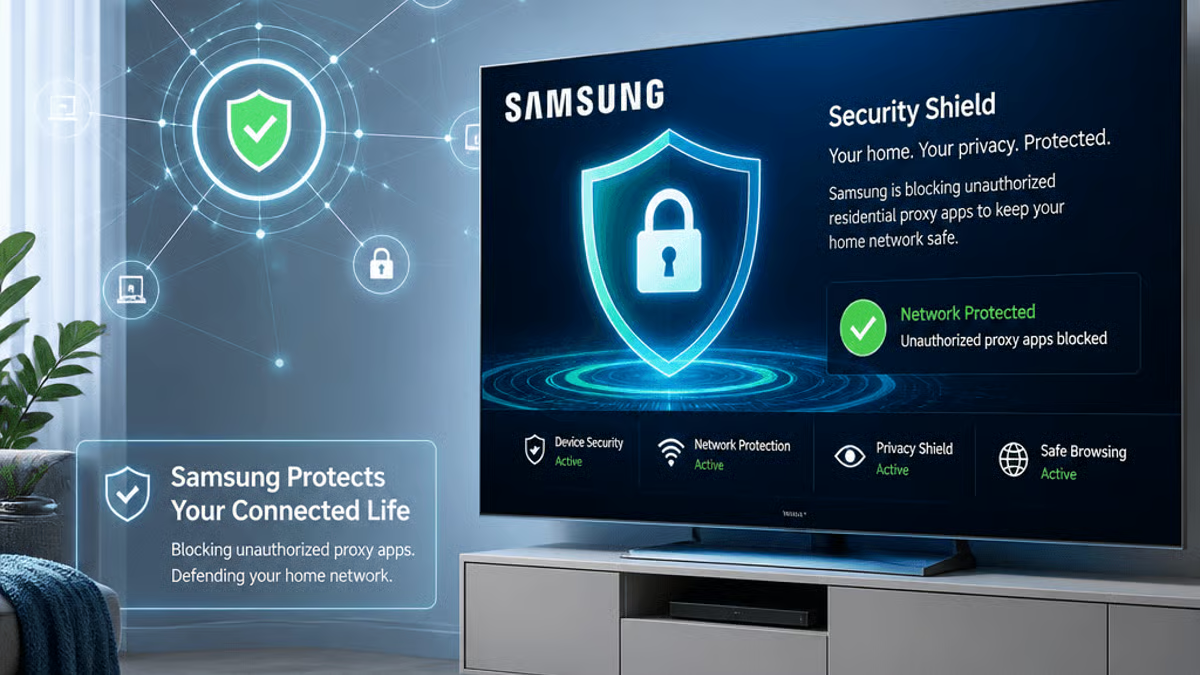
Samsung just pulled the plug on a controversial category of smart TV apps that secretly turned users’ home networks into commercial proxy servers. The move comes after new security research exposed how residential proxy networks operate through consumer devices, raising serious privacy and security red flags. The ban affects apps that share users’ internet connections with unknown third parties, often without meaningful consent or oversight.
Samsung is taking a hard stance against apps that turn smart TVs into unwitting nodes in residential proxy networks. The electronics giant has removed multiple applications from its smart TV platform that share users’ home internet connections with third parties, a practice that researchers say poses significant security and privacy risks.
The decision follows new security research that peeled back the curtain on how residential proxy networks actually operate. These networks recruit everyday consumer devices – from smart TVs to phones and routers – to route commercial internet traffic through residential IP addresses. Companies pay for access to these networks to appear as if they’re browsing from legitimate home connections rather than data centers or VPNs.
But here’s the problem: most users have no idea their devices are being used this way. The apps typically bury consent deep in terms of service agreements, and users rarely understand they’re essentially renting out their internet connection to strangers. That stranger could be a legitimate business scraping public data, or it could be someone engaging in more questionable activities – all while the traffic appears to originate from your home.
Security researchers have been sounding alarms about residential proxy networks for years, but Samsung’s ban represents one of the most significant enforcement actions by a major device manufacturer. The company hasn’t publicly disclosed which specific apps were removed or how many users were affected, but the timing suggests Samsung is responding to mounting pressure from the cybersecurity community.
The residential proxy industry has grown into a multi-million dollar business. Services promise to help companies with everything from ad verification to price comparison by accessing websites from thousands of different residential IP addresses. What makes these networks valuable is their legitimacy – websites are far less likely to block traffic coming from what appears to be a home user in Denver or Dallas.
But that same legitimacy creates risk. When your smart TV is part of a proxy network, you have zero visibility into what websites are being accessed through your connection or what data is being transmitted. If someone uses your IP address to engage in credential stuffing, scraping sensitive data, or worse, the activity traces back to your home network. Your ISP sees the traffic. Your bandwidth gets consumed. And you might be the one answering questions if something goes wrong.
The apps themselves often market as rewards programs or passive income opportunities, promising users a few dollars a month for sharing unused bandwidth. It sounds innocuous – after all, you’re not using all your internet capacity all the time. But the security implications are real. These apps typically require broad permissions and maintain persistent connections to proxy servers, creating potential attack vectors and security vulnerabilities in home networks.
Samsung’s move puts pressure on other smart TV manufacturers and platform operators to examine similar apps in their ecosystems. Google, Amazon, and Apple all operate connected TV platforms where proxy network apps could potentially operate. The question is whether they’ll follow Samsung’s lead or wait for regulatory pressure to build.
The residential proxy debate also highlights a broader tension in the connected device ecosystem. As manufacturers rush to create app stores and ecosystems for everything from refrigerators to TVs, security and privacy vetting often lags behind. Apps that would face scrutiny on Apple’s iOS platform or Google’s Play Store can sometimes slip through with less review on smaller smart device platforms.
For users who unknowingly had these apps installed, the risks don’t immediately disappear. Network logs may still show suspicious activity from the period when the apps were active. Anyone who received warnings from their ISP or experienced unexplained bandwidth usage should check their smart TV app history and consider whether a residential proxy app was the culprit.
The security research that prompted Samsung’s action offers a rare inside look at how these networks actually function at scale. Researchers were able to trace how residential proxy services recruit devices, route traffic, and monetize bandwidth – a process that typically happens completely opaque to end users. That transparency matters, because it helps users make informed decisions about what apps they install and what permissions they grant.
Samsung’s decision to ban residential proxy apps from its smart TV platform marks a significant moment in the ongoing battle over connected device security and user privacy. It’s a reminder that the convenience of smart devices comes with hidden costs – sometimes literally, as your bandwidth gets sold without your meaningful knowledge. As the Internet of Things continues expanding into every corner of our homes, expect more scrutiny of apps that monetize device resources in ways users don’t fully understand. For now, Samsung users can rest a bit easier knowing their TVs aren’t moonlighting as proxy servers. But the broader question remains: how many other connected devices in your home are doing things you never agreed to?











Leave a Reply