
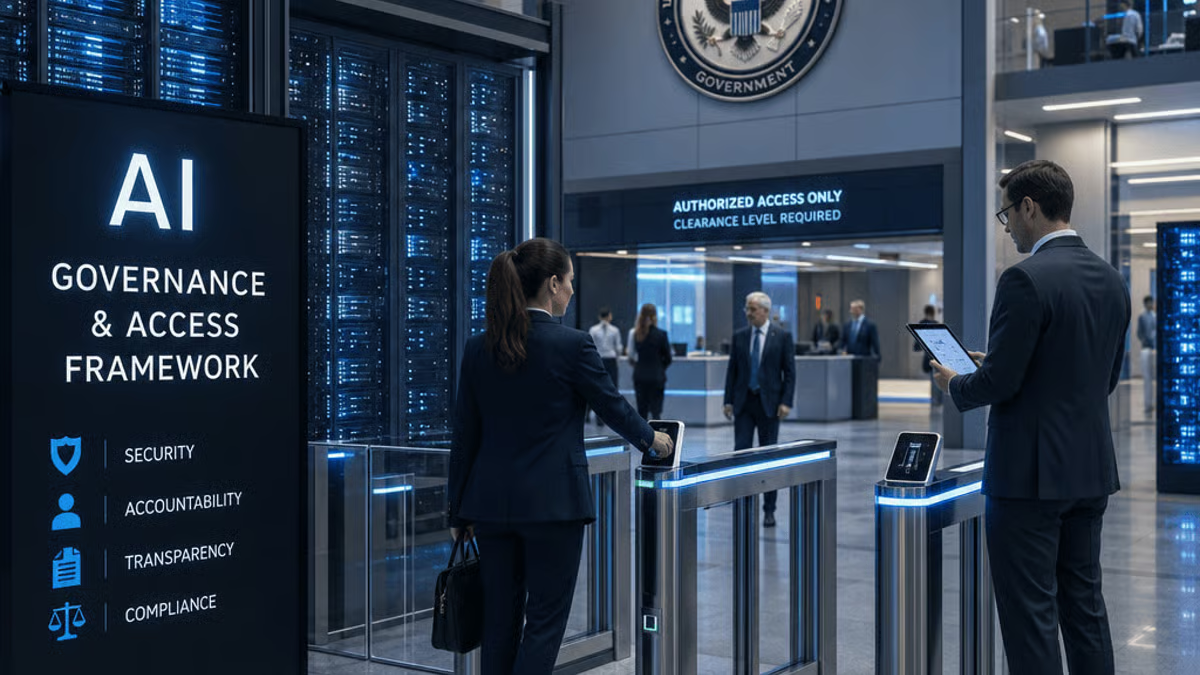
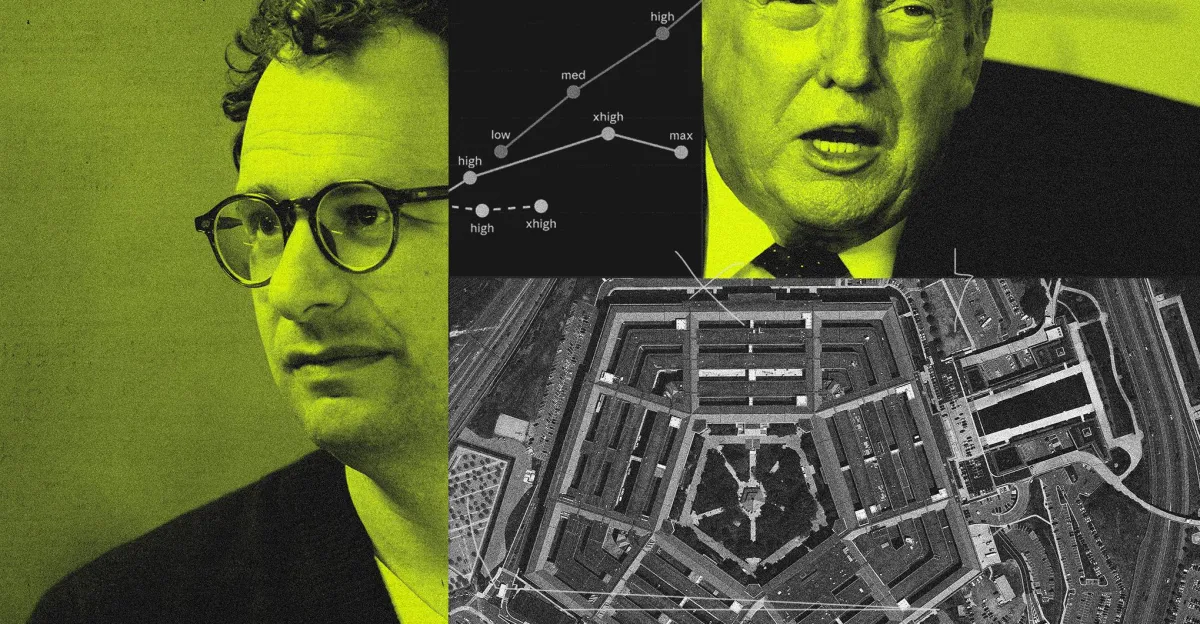
The Trump administration just reversed its complete ban on Anthropic’s most advanced AI models, now allowing selective access to Mythos 5 for approved companies and government agencies. The abrupt policy shift comes roughly two weeks after Anthropic disabled public access to both Fable 5 and Mythos 5 under government export control directives citing national security concerns. The move marks a significant evolution in how Washington is handling frontier AI governance, creating a new tier of controlled access rather than total prohibition.
Anthropic finds itself at the center of a rapidly evolving AI policy landscape after the Trump administration walked back its complete shutdown of the company’s most advanced models. According to reports from CNBC, select companies and government agencies can now access Mythos 5 under a new controlled-access framework, just weeks after the AI lab disabled the model entirely.
The initial shutdown caught the AI industry off guard. Anthropic had quietly pulled access to both Mythos 5 and Fable 5 in early June, citing compliance with a government export control directive issued under “national security authorities.” The company provided minimal public explanation at the time, leaving developers and enterprise customers scrambling to understand the scope and duration of the restrictions.
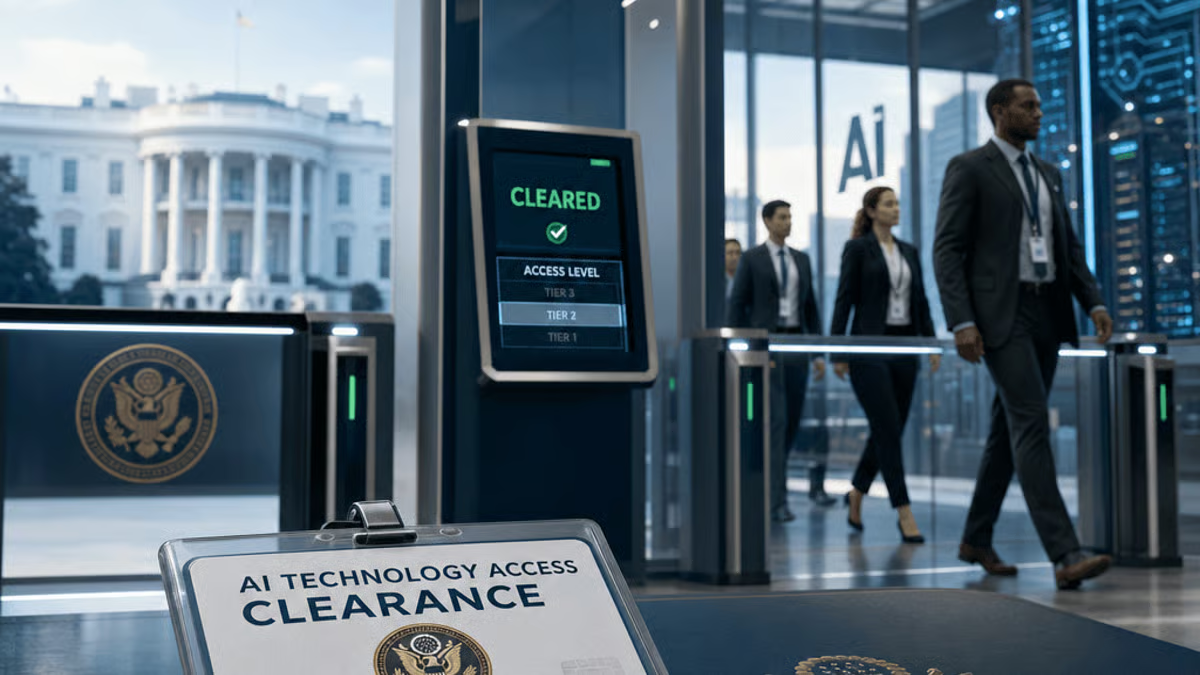
Now the administration appears to have landed on a middle path. Rather than maintaining a complete ban or opening full public access, officials are implementing what amounts to a whitelist system for frontier AI models. The exact criteria for approval remains unclear, but the framework suggests the government is treating advanced AI systems more like controlled technology exports than consumer software products.
The policy whiplash reflects the challenges Washington faces in regulating AI development. Complete bans risk pushing innovation overseas or underground, while unrestricted access raises genuine concerns about capabilities that could be weaponized or used to circumvent existing security measures. Anthropic has positioned itself as a safety-focused AI lab, but even its internal safeguards apparently weren’t enough to satisfy initial government concerns.
Industry observers note the decision sets important precedent. If the administration can effectively create access tiers for AI models based on national security considerations, other labs developing frontier systems may face similar restrictions. OpenAI, Google, and Meta all have advanced models in development that could theoretically trigger the same framework.
The controlled-access approach also raises questions about competitive dynamics. Companies granted early access to Mythos 5 gain potential advantages in developing applications and services built on the model’s capabilities. Those locked out may need to rely on older, less capable systems or attempt to develop comparable technology in-house, a process that typically requires hundreds of millions in capital and years of development time.
For Anthropic, the reversal provides some relief but likely complicates its business model. The company has raised billions from investors including Google and various venture firms, with valuations predicated on broad commercial deployment of its Claude AI systems. A permanently restricted model would limit revenue potential and raise questions about return on investment for backers.
Government agencies receiving access may represent a new customer segment for frontier AI labs. Federal and state entities have historically been slower to adopt cutting-edge AI, but direct access to restricted models could accelerate deployment in areas like intelligence analysis, cybersecurity, and administrative processing. That creates both opportunities and concerns about how these powerful systems get used in government contexts.
The export control mechanism itself deserves scrutiny. By invoking national security authorities, the administration can bypass normal regulatory processes and impose restrictions with limited transparency or appeal processes. While that provides flexibility in fast-moving technology domains, it also concentrates significant power in executive branch decision-making without clear guidelines or oversight.
Other AI labs are watching closely to understand where the red lines actually sit. Model capabilities that trigger government intervention remain poorly defined. Is it parameter count? Specific capabilities like code generation or scientific reasoning? Performance on particular benchmarks? Without clear standards, companies face uncertainty about whether their next release might face similar restrictions.
The international dimension adds another layer of complexity. If U.S. companies face access restrictions on their own advanced models, it potentially creates openings for foreign competitors in China and elsewhere to capture market share. At the same time, preventing advanced AI capabilities from reaching adversarial nations represents a legitimate security concern that most experts acknowledge requires some policy response.
The Trump administration’s reversal on Mythos 5 access signals we’re entering a new era of frontier AI governance where advanced models face selective distribution rather than open deployment or complete bans. For Anthropic and its competitors, this creates a more complex operating environment where technical capabilities must be balanced against government security concerns and access requirements. The precedent established here will likely shape how future advanced AI systems get regulated, creating a framework where the most powerful models become controlled technology rather than widely available tools. Companies developing next-generation AI now face the prospect of navigating not just technical and safety challenges, but also government approval processes that could significantly impact their business models and competitive positioning.








Leave a Reply