
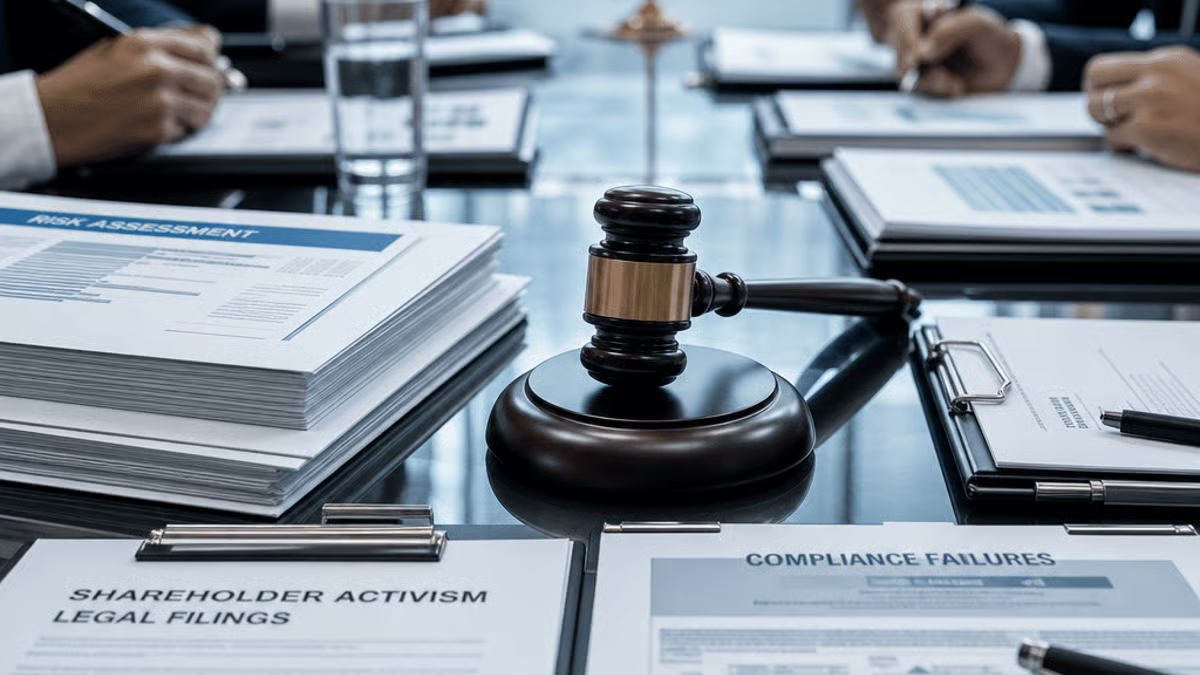
Uber is facing a shareholder derivative lawsuit led by a Detroit pension fund, alleging the company’s board and management systematically cut compliance corners that resulted in thousands of sexual assault and safety-related lawsuits. The legal action, filed by institutional investors, claims the board’s failure to implement adequate safety protocols has exposed the company to massive legal liability and damaged shareholder value. It’s the latest escalation in ongoing scrutiny over Uber’s handling of rider and driver safety incidents.
Uber just got hit with a shareholder lawsuit that cuts straight to the heart of its corporate governance. A Detroit pension fund is leading the charge, alleging CEO Dara Khosrowshahi and the board have been playing fast and loose with compliance – and it’s catching up with them in the form of thousands of lawsuits.
The derivative action, reported by TechCrunch, claims Uber’s leadership made a calculated decision to prioritize growth over safety protocols. The result? A mounting pile of sexual assault claims and safety incidents that have exposed the company to massive legal liability and reputational damage.
This isn’t just another nuisance lawsuit. When institutional investors like pension funds start filing derivative actions, it signals they believe management has fundamentally failed in its fiduciary duties. These shareholders aren’t suing for direct damages – they’re suing on behalf of the company itself, arguing that the board’s negligence has harmed Uber’s long-term value.
The timing is particularly awkward for Uber, which has spent years trying to rehabilitate its image after the Travis Kalanick era. Khosrowshahi was brought in specifically to clean up the company’s culture and compliance issues. But this lawsuit suggests those problems run deeper than a CEO swap could fix.
What makes this case different from typical rider complaints is the corporate governance angle. The shareholders aren’t just saying Uber failed individual victims – they’re alleging a systemic pattern of cutting corners that any competent board should have caught and corrected. That’s the kind of claim that can survive early dismissal motions and drag on for years.
The ride-hailing industry has been wrestling with safety concerns since its inception. Background checks, real-time monitoring, emergency response protocols – these are all areas where Uber and competitors like Lyft have faced criticism. But there’s a difference between isolated incidents and what this lawsuit alleges: a deliberate management strategy to underinvest in compliance.
For Uber, the financial implications could be significant. Derivative lawsuits can result in board shakeups, mandatory policy changes, and substantial legal fees. More importantly, they often trigger deeper scrutiny from regulators who see shareholder activism as a red flag.
The Detroit pension fund’s involvement adds another layer of credibility to the claims. Public pension funds are sophisticated investors with resources to pursue complex litigation. They’re not filing frivolous suits – they’re signaling that Uber’s risk management failures have crossed a line.
This case also reflects a broader trend in tech company oversight. Investors are getting less tolerant of the “move fast and break things” mentality when what’s breaking are safety protocols and what’s moving fast are lawsuits. The days when boards could wave away compliance concerns as bureaucratic red tape are ending.
What happens next will depend on how Uber responds. The company could move to dismiss, arguing shareholders are second-guessing legitimate business decisions. Or it could settle quickly, implement new oversight mechanisms, and try to move past the controversy. Either way, this lawsuit is a reminder that corporate boards can’t outsource their responsibility for fundamental safety issues.
The ride-hailing sector is watching closely. If shareholders succeed in holding Uber’s board accountable for compliance failures, it could set a precedent that forces industry-wide changes in how these platforms approach safety and risk management.
The shareholder lawsuit against Uber’s board represents more than legal jockeying – it’s a test case for whether tech companies can be held accountable when aggressive growth strategies collide with basic safety obligations. For institutional investors, it’s a signal that corporate governance failures won’t be tolerated even at high-flying tech firms. For Uber, it’s a reminder that the compliance shortcuts you take on the way up can become the lawsuits that drag you down. As ride-hailing matures from disruptive startup to essential infrastructure, the tolerance for cutting corners is evaporating fast.









Leave a Reply