
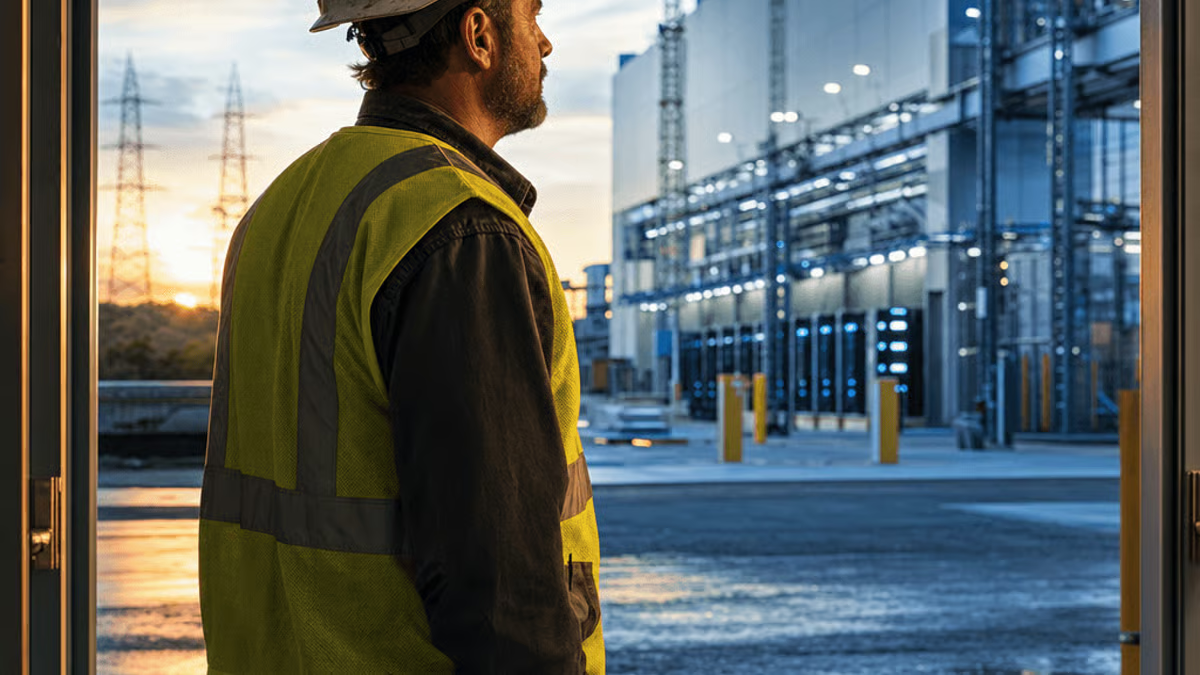
Big Tech’s scrambling to build data centers fast enough to power the AI revolution, but some electricians are walking away from the work. Despite premium wages and steady contracts, a growing number of skilled tradespeople are refusing data center projects, calling them morally compromised. As Amazon, Microsoft, Google, and Meta pour billions into infrastructure buildouts, they’re running into an unexpected obstacle – workers who think the industry’s environmental and community impact isn’t worth the paycheck.
Microsoft just announced a $10 billion data center expansion in Virginia, but finding electricians willing to wire it up is turning into a bigger challenge than securing the permits. In union halls and job sites across the country, a debate’s brewing about whether taking Big Tech’s money makes you complicit in what some workers see as environmental destruction and community exploitation.
The conflict puts a human face on the AI infrastructure arms race. While OpenAI, Google, and Microsoft compete to build the largest language models, they need massive computing power – and that means data centers, lots of them. Industry analysts estimate Big Tech will spend over $200 billion on data center construction through 2027, creating a goldmine for construction trades.
But the money isn’t swaying everyone. According to conversations happening in electrical worker communities, some tradespeople are drawing a line. Data centers consume enormous amounts of electricity and water, often straining local infrastructure in ways that impact surrounding communities. In drought-stricken areas, facilities can use millions of gallons daily for cooling. In regions with tight power grids, they can drive up electricity costs for residents.
“It’s the best-paying work out there right now, but you’ve got to sleep at night,” one electrician told colleagues, according to reports from Wired. The sentiment reflects a broader tension as AI’s infrastructure demands collide with climate concerns and local opposition.
The timing couldn’t be worse for Big Tech. Amazon Web Services needs new capacity to meet surging demand for AI compute. Meta is racing to build infrastructure for its latest AI models. Google just secured sites for three new facilities. Every delayed project potentially hands competitive advantage to rivals.
Community resistance is amplifying worker concerns. Towns from Iowa to Ireland are rejecting data center proposals, citing water shortages, power grid strain, and noise pollution. When locals are protesting outside the gates, some electricians are asking whether they want to be on the other side of that fence.
The skilled trades shortage was already acute before workers started getting picky about projects. Electrical contractors report turning down data center contracts not because they don’t want the work, but because they can’t staff it with people willing to do it. The premium wages that once made these projects attractive – often 20-30% above standard commercial rates – aren’t closing the gap.
For Big Tech, this represents a new kind of bottleneck. You can throw money at server procurement and expedite permits, but you can’t force skilled electricians to show up if they’ve decided your project conflicts with their values. The companies that revolutionized remote work and automation are discovering that some jobs still require actual humans who can choose where to point their skills.
The situation’s creating odd dynamics in construction labor markets. Electricians who take data center work report facing questions from peers about why they’re “selling out.” Meanwhile, contractors are quietly raising wages even higher and offering bonuses, trying to overcome the stigma. Some are downplaying the AI angle, marketing projects as generic commercial work.
Industry veterans say they’ve never seen anything quite like it. Construction trades have built everything from weapons facilities to casinos without this level of internal moral debate. But the combination of visible community opposition, climate concerns, and AI’s controversial role in job displacement is creating a perfect storm of worker hesitation.
Microsoft and Amazon declined to comment on labor challenges for this story, but internal discussions reportedly acknowledge the issue. Some companies are exploring more modular, factory-built data center components that require less on-site skilled labor – an ironic solution that replaces resistant workers with automation.
The conflict highlights a contradiction at the heart of the AI boom. The technology promises to transform work and boost productivity, but it requires massive physical infrastructure that still depends on traditional skilled labor. When those workers decide the future being built doesn’t align with their values, the whole timeline shifts.
The electricians questioning data center work represent more than a labor hiccup for Big Tech – they’re a signal that AI’s infrastructure demands are bumping into real-world limits that money alone can’t solve. As community opposition grows and climate concerns intensify, the skilled workers who actually build these facilities are voting with their feet. For companies racing to out-compute each other in the AI arms race, the bottleneck might not be chips or capital, but whether they can convince enough people that their vision of the future is worth building. The premium wages and steady contracts that once made data centers dream projects are losing their appeal when workers weigh them against environmental impact and community harm. Big Tech built its empire on disrupting traditional industries, but it still needs traditional tradespeople to keep the servers running – and those workers are starting to ask uncomfortable questions about what they’re really building.










Leave a Reply