
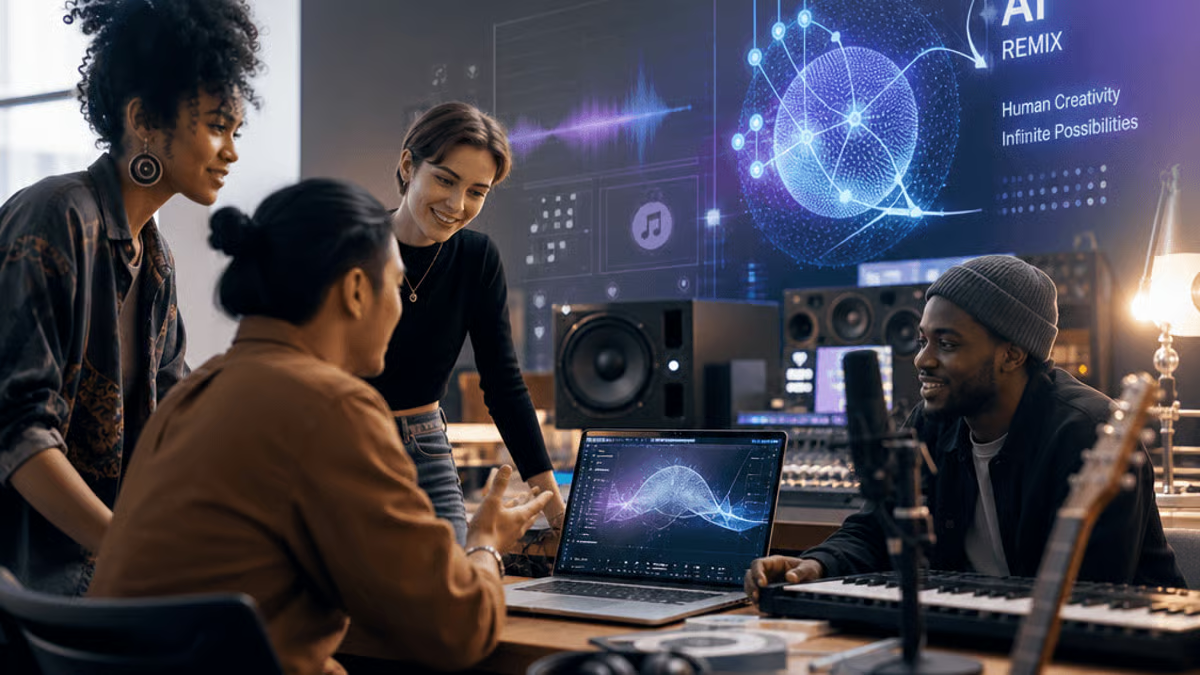
Spotify just secured a massive win for its upcoming AI music product. Merlin, representing over 30,000 independent labels and distributors, is joining Universal Music Group to back the streaming giant’s paid AI-powered remix and covers tool. The partnership signals a potential turning point in how the music industry approaches AI-generated content, with artists getting opt-in control, proper credit, and compensation baked into the model from day one.
Spotify is building what could become the music industry’s first widely-accepted AI content creation platform, and it just landed a partnership that brings tens of thousands of independent artists into the fold. Merlin, the digital rights agency representing more than 30,000 independent labels and distributors worldwide, announced it’s backing Spotify’s upcoming AI-powered remix and covers product, joining Universal Music Group in what’s shaping up to be a rare moment of industry alignment on AI.
The move comes as music streaming platforms and AI companies face mounting pressure over unauthorized use of copyrighted material for training and content generation. Unlike the controversies swirling around other AI music tools, Spotify’s approach puts artist consent front and center. The paid feature will only work with music from participating artists who actively opt in, and those artists will receive both credit and compensation when fans use their tracks to generate AI remixes or covers.
For Spotify, which has been exploring AI features across its platform, this represents a significant step toward monetizing generative AI without alienating the music industry that supplies its entire catalog. The company’s been walking a tightrope as competitors and startups rush to launch AI music tools that have drawn legal fire from labels and artists. By securing partnerships with major rights holders first, Spotify’s essentially building the guardrails before opening the creative floodgates.
Merlin’s backing is particularly crucial because it represents the independent music ecosystem, which accounts for a massive share of streaming catalog diversity. While UMG brought major label artists into the fold, Merlin’s 30,000+ labels span everything from boutique indie operations to mid-sized powerhouses. This isn’t just about getting Taylor Swift and Drake on board – it’s about ensuring the long tail of music creators can participate in and benefit from AI-generated content.
The financial model matters here. By making this a paid tool rather than a free feature, Spotify creates a revenue stream that can flow back to artists. The compensation structure hasn’t been fully detailed yet, but the framework suggests royalty-style payments similar to traditional streaming, adapted for AI-generated derivatives. That’s a stark contrast to AI music startups that have launched first and dealt with licensing questions later, often facing lawsuits from the same labels now partnering with Spotify.
Timing plays a role too. The music industry watched generative AI explode over the past two years, seeing deepfake vocals and unauthorized remixes flood social platforms. Artists from Bad Bunny to Grimes have voiced concerns about AI clones, while others have experimented with authorized AI versions of their voices. Spotify’s entering this space at a moment when the industry’s desperate for a legitimate, compensated alternative to the AI music wild west.
But questions remain about execution. How will Spotify ensure AI-generated covers maintain quality standards? What happens when a fan-made AI remix goes viral – does the original artist get a cut of streams? And critically, will enough high-profile artists opt in to make the tool compelling for users willing to pay? The success of this product hinges on catalog depth and star power, not just indie participation.
The partnership also positions Spotify as a potential standard-bearer for ethical AI in music. If this model works – artists opt in, fans pay, everyone gets compensated – other platforms may follow suit. YouTube, TikTok, and other social platforms are all experimenting with AI music features, and the industry’s watching to see which approach gains traction without triggering legal backlash.
For independent artists represented by Merlin, this could mean a new revenue stream from superfans who want to remix their favorite tracks. But it also requires trust that Spotify’s AI won’t devalue original recordings or flood the platform with derivative content that dilutes artist brands. The opt-in mechanism is supposed to address that, but artists will be weighing whether participation helps or hurts their long-term positioning.
Spotify hasn’t announced a launch date for the tool, but securing both major label and independent backing suggests it’s moving from concept to reality. The company’s been testing AI features including AI-generated playlist art and voice translations for podcasts, gradually introducing machine learning tools that enhance rather than replace human creativity. This remix product represents a bigger leap – letting AI generate new derivative works, not just augment existing content.
Spotify’s AI remix tool could define how the music industry handles generative AI going forward. By locking in partnerships with both major labels and the sprawling independent ecosystem before launch, the company’s betting that artist consent and compensation will win out over the move-fast-break-things approach that’s dominated AI music so far. If enough artists opt in and fans are willing to pay, this becomes the template. If not, it’s a cautionary tale about trying to put guardrails on technology that’s already escaped into the wild. Either way, the next few months will show whether the music industry can actually align around an AI model that works for everyone – or if this is just another brief moment of consensus before the inevitable fractures appear.









Leave a Reply