
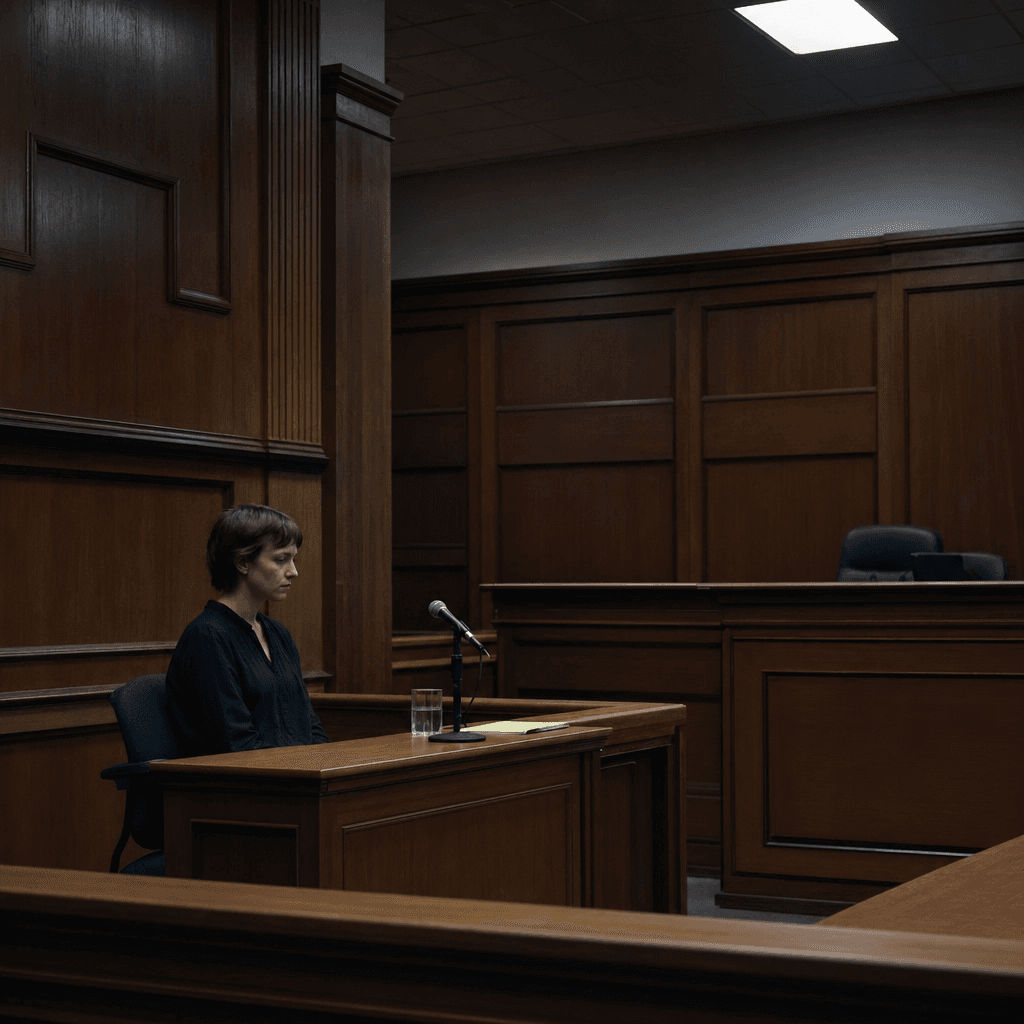
Elon Musk took the witness stand as the first testimony in his lawsuit against Sam Altman and OpenAI, but the billionaire’s courtroom performance fell remarkably flat. Unlike his 2019 defamation trial where he charmed the jury to victory, Musk appeared adrift and unprepared, only showing animation when boasting about his contributions to OpenAI. The direct examination – meant to tell a compelling story about Altman allegedly abandoning OpenAI’s nonprofit mission – instead meandered through Musk’s self-aggrandizing tales, raising questions about the strength of his case from day one.
The courtroom doors opened on one of tech’s most anticipated legal battles, and Elon Musk delivered a surprisingly lackluster opening act. Taking the stand as the first witness in his lawsuit against Sam Altman and OpenAI, the Tesla and xAI chief appeared notably unprepared – a stark departure from his previous courtroom victories.
Courtroom reporter Elizabeth Lopatto, who covered Musk’s 2019 defamation case, observed via The Verge that the contrast was striking. During that earlier trial, Musk turned on the charm and the jury found him not guilty. This time? He looked adrift.
The only moments Musk showed real energy came when he was bragging about how much he’d done for OpenAI – not exactly the strategic focus his legal team likely hoped for. A direct examination is supposed to tell a clear, compelling story through carefully structured questions. For a lawsuit accusing Altman of abandoning OpenAI’s nonprofit mission to build safe artificial intelligence, Musk spent a curious amount of time talking about himself.
The case centers on explosive allegations that OpenAI – which Musk co-founded in 2015 as a nonprofit dedicated to developing AI that benefits humanity – has strayed from its original mission. Musk’s lawsuit claims that Altman transformed the organization into a for-profit vehicle, particularly after OpenAI’s partnership with Microsoft and the blockbuster success of ChatGPT. The stakes are massive: OpenAI is now valued at over $150 billion, making it one of the most valuable AI companies on the planet.
But day one didn’t showcase the prosecution’s strongest hand. Legal observers noted that Musk’s testimony lacked the sharp narrative focus needed to convince a jury that OpenAI violated its founding principles. Instead of methodically building a case around documents, emails, and board decisions that allegedly show Altman’s betrayal of the nonprofit mission, the examination meandered.
This matters because Musk faces an uphill battle. He left OpenAI’s board in 2018 after disagreements about the company’s direction, and he’s since launched xAI as a direct competitor. Altman’s legal team will likely argue that Musk’s lawsuit is driven by competitive spite rather than genuine concern for AI safety – and a rambling, self-focused testimony plays right into that narrative.
The timing of the trial is also significant. OpenAI just released its latest model and continues to dominate the generative AI landscape, while xAI is racing to catch up with its own Grok chatbot. Musk has been increasingly vocal about AI existential risks, but critics point out that he’s simultaneously building competing AI systems and fighting for market share.
What’s particularly striking about Musk’s flat performance is that he’s typically a commanding presence – whether launching rockets, unveiling products, or posting on his own social media platform. His ability to captivate audiences has been central to his business success. But courtrooms operate on different rules than product launches or earnings calls, and Musk’s inability to channel that energy into focused testimony could undermine his entire case.
The lawsuit also raises fundamental questions about nonprofit governance in the AI era. Can founders who leave an organization later sue over strategic pivots? What obligations do AI companies have to their stated missions versus their investors? And how do courts evaluate whether a research organization has abandoned its principles when the technology itself is evolving so rapidly?
Legal experts following the case noted that Musk will need to produce concrete evidence – emails, board minutes, financial documents – showing that Altman deliberately deceived stakeholders about OpenAI’s direction. Personal grievances and vague accusations about mission drift won’t be enough. The direct examination should have been laying that documentary foundation, but instead focused on Musk’s own narrative.
As the trial continues, both sides will be watching jury reactions carefully. Musk’s legal team needs to tighten their approach and get their client focused on the specific allegations rather than general self-promotion. Altman’s team, meanwhile, will be preparing to paint Musk as a jilted co-founder who simply can’t accept that he walked away from a company that later became extraordinarily successful.
The contrast between Musk’s social media persona and his courtroom demeanor also highlights a broader challenge for tech executives in legal proceedings. What works on Twitter doesn’t necessarily work under oath, and judges and juries expect precision, preparation, and respect for legal process – not off-the-cuff commentary and self-aggrandizement.
Musk’s opening testimony revealed a troubling disconnect between his public persona and courtroom effectiveness. If he can’t build a coherent narrative around OpenAI’s alleged mission drift – complete with hard evidence and disciplined testimony – this high-profile lawsuit could backfire spectacularly. The trial will ultimately hinge not on Musk’s feelings about being sidelined, but on whether he can prove Altman and OpenAI violated legal obligations. Day one suggests his team has serious work to do before they can make that case stick. All eyes now turn to how Altman’s defense responds and whether Musk can regain his footing when cross-examination begins.








Leave a Reply