

- ■
L’Atitude 52°N, founded by ex-OnePlus engineers, launched smart glasses via Kickstarter with bundled AI features according to Wired
- ■
AI functionality is free for one year, but subscription pricing after that remains undecided
- ■
The uncertain pricing model reflects broader challenges in AI hardware economics and ongoing costs
- ■
Early backers face potential sticker shock when the free trial ends and subscription fees kick in
A team of former OnePlus engineers is betting big on AI-powered smart glasses, but there’s a catch. L’Atitude 52°N just launched its Kickstarter-funded smart glasses with AI features bundled for the first year, yet the company admits it hasn’t figured out what it’ll charge customers after that. It’s a gamble that highlights the messy economics of AI hardware, where the real costs kick in long after the initial purchase.
L’Atitude 52°N, the startup founded by former OnePlus engineers, is making waves in the wearables space with its latest smart glasses campaign. But the excitement comes with a significant asterisk that could leave early adopters feeling blindsided.
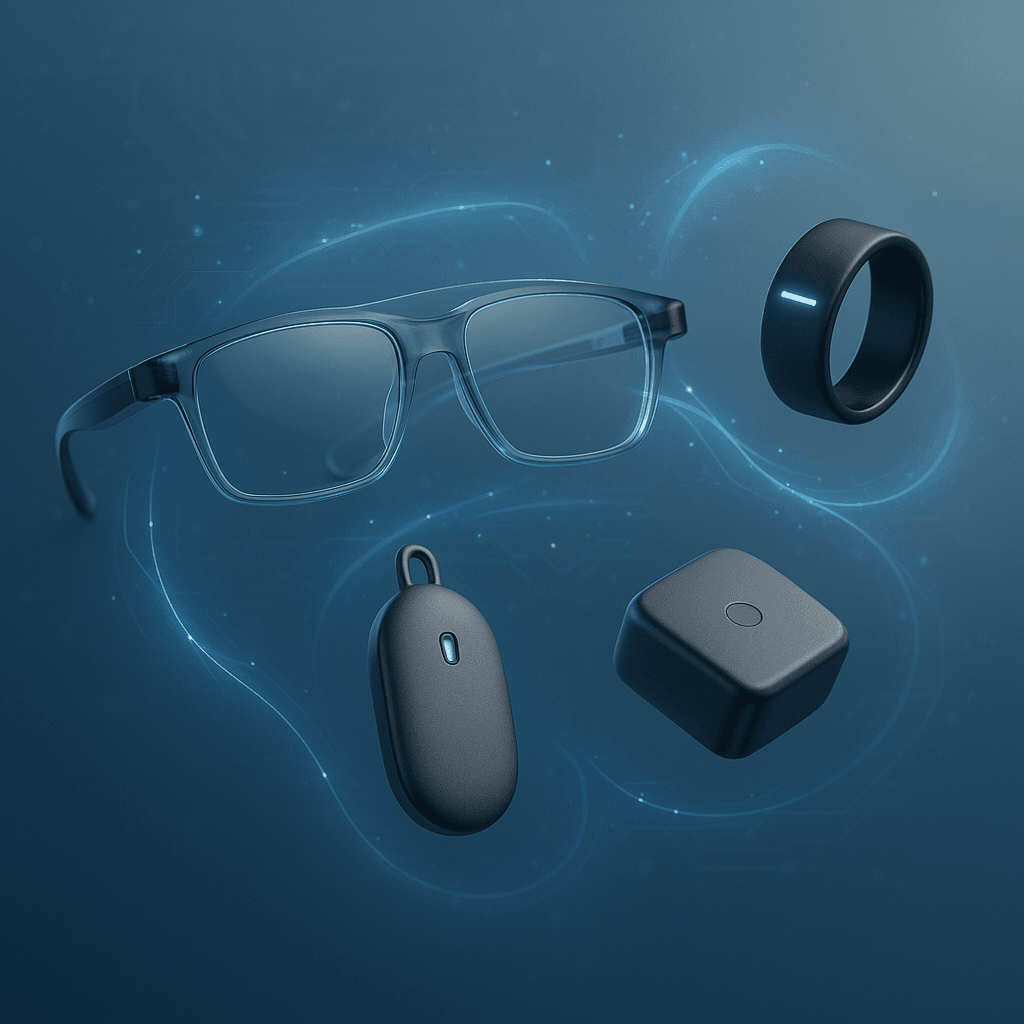
The company successfully funded its smart glasses through Kickstarter, positioning the device as an AI-first wearable that competes in an increasingly crowded market. The glasses pack AI-powered features that promise real-time translation, visual recognition, and contextual assistance, putting them in direct competition with Meta’s Ray-Ban collaboration and emerging players in the smart eyewear category.
Here’s where things get murky. According to Wired’s reporting, backers get a full year of AI features bundled with their purchase. After that? The company hasn’t decided what to charge. It’s a striking admission that reveals the uncomfortable truth about AI hardware: the upfront price is just the beginning.
The OnePlus pedigree brings credibility to the hardware side. The company’s founding team spent years optimizing smartphone experiences and building supply chains, skills that translate directly to wearables. But AI features carry ongoing costs that dwarf traditional hardware margins. Every query sent to cloud-based models, every real-time translation, every visual recognition task racks up compute expenses that someone has to pay.
This pricing uncertainty isn’t unique to L’Atitude 52°N. The entire AI wearables category is wrestling with how to balance affordable hardware with expensive AI infrastructure. Humane’s AI Pin launched with a mandatory $24 monthly subscription. Rabbit’s R1 tried to avoid subscriptions entirely, banking on one-time hardware revenue. Neither approach has proven to be a silver bullet.
The Kickstarter model adds another layer of complexity. Early backers locked in their hardware price months ago, expecting the advertised AI features. Now they’re discovering those features come with an expiration date and an unknown renewal cost. It’s the kind of post-purchase surprise that can turn enthusiastic evangelists into vocal critics overnight.
Industry watchers see this as a broader problem for consumer AI hardware. Unlike smartphone apps where users grudgingly accept subscriptions, or smart home devices that work indefinitely after purchase, AI glasses sit in an awkward middle ground. They’re too expensive to be impulse purchases but too dependent on cloud services to work without ongoing fees.
The timing is particularly tricky. As OpenAI, Google, and Anthropic continue pushing AI capabilities forward, the cost of running these models keeps shifting. What seems sustainable today might be prohibitively expensive in 18 months, or dirt cheap if efficiency improvements continue their current trajectory.
For L’Atitude 52°N, the honest admission about pricing uncertainty could actually be strategic. Rather than locking in a subscription rate that might prove too low to sustain operations or too high to attract renewals, the company is buying time to see how the market develops. It’s a gamble, but it might be smarter than pretending to have all the answers.
The question for backers is whether they’re comfortable with that uncertainty. Buying hardware with a one-year AI trial is very different from buying hardware with permanent features. And in a market where Meta is subsidizing AI features to drive adoption and Apple is building on-device AI to avoid subscriptions entirely, consumers have legitimate reasons to push back on yet another monthly fee.
L’Atitude 52°N’s pricing predicament captures the central tension in AI consumer hardware: how do you sell devices people want to own outright while covering AI costs that never stop accumulating? The company’s candor about not having answers might be refreshing honesty or a red flag, depending on your tolerance for uncertainty. Either way, Kickstarter backers are about to become guinea pigs in an experiment that could define pricing models for the entire AI wearables category. The industry will be watching closely to see whether transparency about unknown costs builds trust or triggers buyer’s remorse.






Leave a Reply