
- ■
Elon Musk confirmed on Tesla’s Q1 2026 earnings call that Hardware 3 vehicles lack the computational power for unsupervised FSD
- ■
Approximately 4 million Tesla owners – including those who paid up to $15,000 for FSD – are now locked out unless they upgrade hardware or buy new vehicles
- ■
The admission contradicts years of Musk’s promises that HW3 would support full autonomy, potentially triggering consumer protection lawsuits
- ■
Tesla faces mounting pressure to offer free hardware upgrades or refunds as competitors like Waymo and Cruise advance autonomous technology
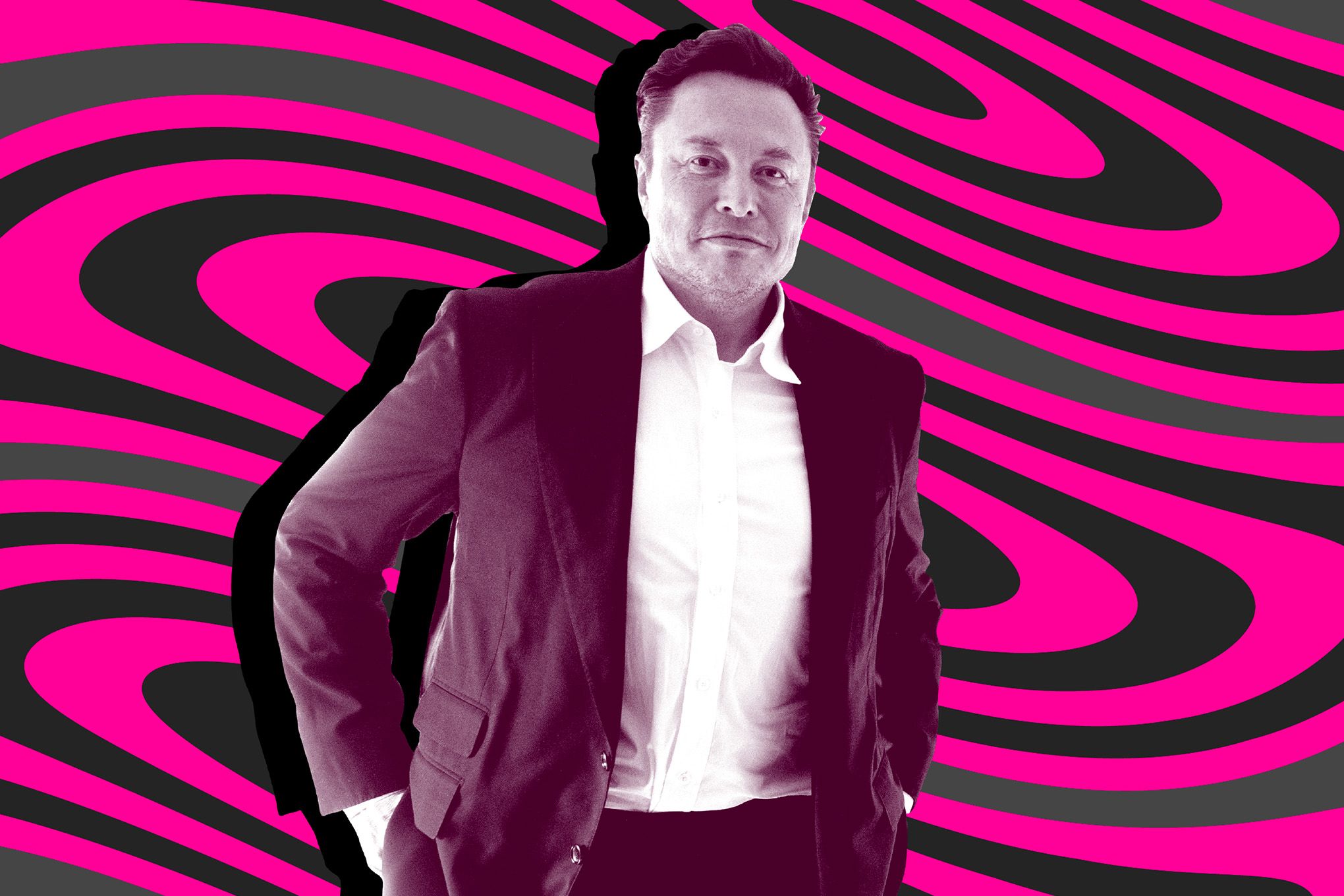
Tesla just pulled the rug out from under millions of customers. CEO Elon Musk admitted during Wednesday’s Q1 2026 earnings call that roughly 4 million vehicles running Hardware 3 computers will never receive unsupervised Full Self-Driving capability – a feature many owners already paid thousands for. The revelation marks a stunning reversal for a company that’s spent years promising autonomous driving was just around the corner, and it raises serious questions about what Tesla owes customers who bought cars based on those promises.
Tesla owners who paid for Full Self-Driving just got some brutal news. During Wednesday’s Q1 2026 earnings call, CEO Elon Musk admitted what many had feared – Hardware 3 simply can’t handle unsupervised autonomous driving. “I wish it were otherwise, but Hardware 3 simply does not have the capability to achieve unsupervised FSD,” Musk told investors, according to the earnings call transcript.
The numbers are staggering. About 4 million Tesla vehicles currently on the road run HW3, the company’s third-generation autonomous driving computer. Many of those owners shelled out between $8,000 and $15,000 for FSD capability when they bought their cars, often based on Musk’s repeated assurances that the hardware would eventually support full autonomy. Now they’re being told the promise can’t be kept.
This isn’t just a minor spec downgrade. For years, Musk has hyped unsupervised FSD as the holy grail of Tesla’s technology roadmap – the feature that would transform cars into robotaxis and justify the company’s premium valuation. As recently as 2022, Musk claimed on Twitter that HW3 had “more than enough” processing power for full self-driving. That confident prediction now looks painfully premature.
The hardware limitation comes down to raw computational horsepower. Tesla’s newer Hardware 4 platform, which ships in recent Model 3, Model Y, and Cybertruck vehicles, packs significantly more processing power and enhanced camera systems. The AI models required for unsupervised driving – which need to process multiple camera feeds, run complex neural networks, and make split-second decisions – apparently push HW3 beyond its limits.
What makes this particularly thorny is the money involved. Tesla has sold FSD as a premium software package since 2016, with prices climbing from $5,000 to as high as $15,000. The company explicitly marketed it as a future-proof investment – pay now, get full autonomy later through over-the-air updates. Thousands of customers made that bet. Now they’re stuck with supervised driver assistance features while newer Tesla owners get the real deal.
Tesla does offer hardware upgrade paths, but they’re not free. The company previously offered some HW2.5 owners free upgrades to HW3, but there’s been no announcement of a similar program for the HW3-to-HW4 transition. That means affected owners face a tough choice – accept they’ll never get what they paid for, pay again for a hardware retrofit, or trade in for a newer vehicle.
The timing couldn’t be worse for Tesla. Competitors like Waymo and Cruise are already operating genuinely unsupervised autonomous vehicles in select cities, while Mercedes-Benz recently became the first automaker to gain regulatory approval for Level 3 autonomy in the U.S. Tesla’s admission that millions of its vehicles can’t match that capability undercuts the company’s positioning as the autonomous driving leader.
Consumer protection advocates are already sharpening their knives. The revelation could spark a wave of lawsuits from HW3 owners who argue Tesla sold them a capability the company knew – or should have known – the hardware couldn’t deliver. Several class-action suits related to FSD promises are already winding through courts, and this admission provides fresh ammunition.
The situation also highlights a broader challenge facing the auto industry as vehicles become computers on wheels. Traditional cars depreciate, but their core functions don’t become obsolete. A 10-year-old car still drives. But when you’re selling AI-powered features that depend on cutting-edge processors, yesterday’s top-of-the-line hardware can become tomorrow’s paperweight. Tesla is learning that lesson the hard way.
Musk didn’t offer much in the way of solutions during the earnings call. He acknowledged the limitation but stopped short of announcing compensation, upgrade programs, or refunds for affected owners. That silence is deafening for the millions of HW3 owners who believed they were buying into Tesla’s autonomous future.
The stock market took notice. Tesla shares dipped in after-hours trading as investors digested the implications – not just the immediate PR hit, but the longer-term questions about the company’s credibility when making bold technology promises.
This is more than a disappointing product update – it’s a credibility crisis for Tesla and a wake-up call for the entire autonomous vehicle industry. When you sell customers on a future that depends on AI capabilities, you better be damn sure the hardware can deliver. Four million Tesla owners just learned that lesson applies to them too. The big question now isn’t whether HW3 can run unsupervised FSD – Musk already answered that. It’s whether Tesla will make things right with the customers who trusted those promises, or whether this becomes another cautionary tale about overpromising on AI capabilities. With lawsuits likely brewing and competitors closing the autonomy gap, how Tesla handles this could define the company’s reputation for years to come.

Leave a Reply