
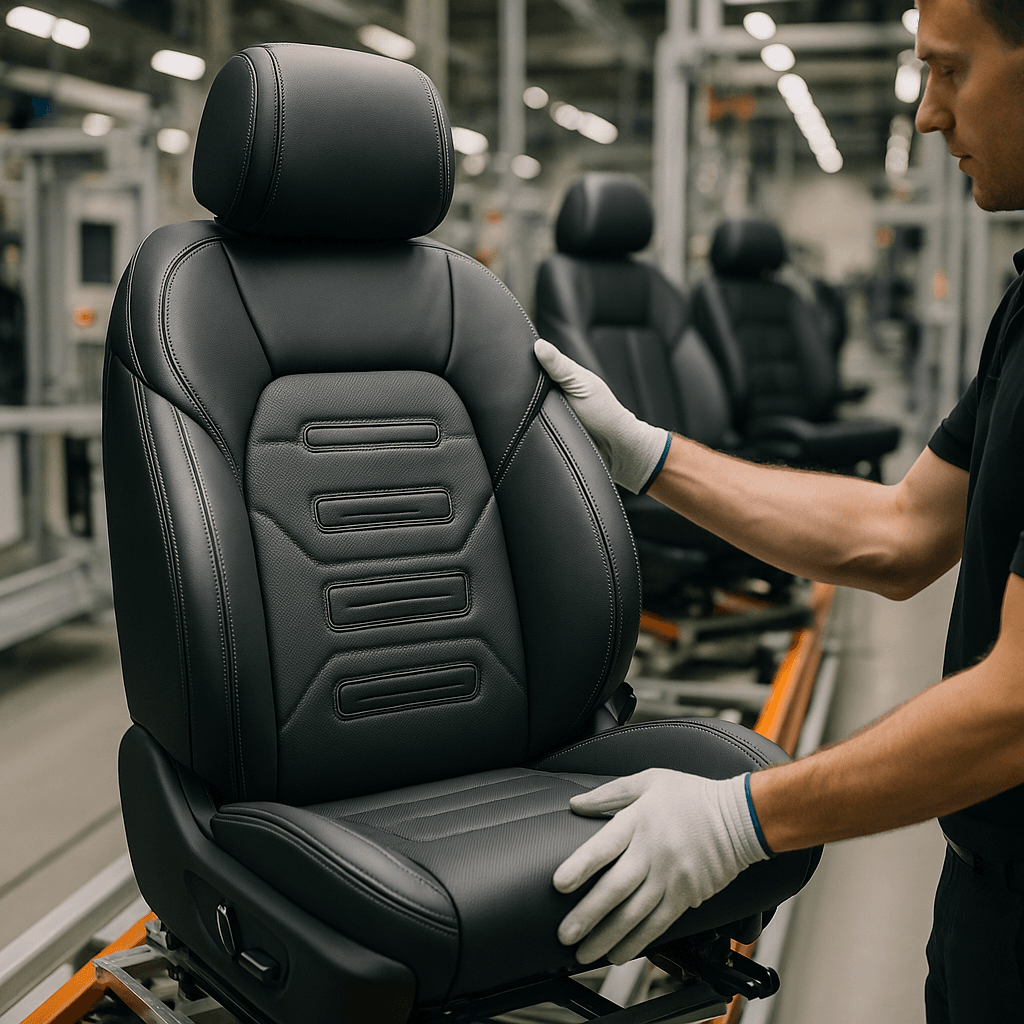
Lucid Group hit a speed bump in Q1 2026, with the luxury EV maker revealing that a seat supplier issue crimped first-quarter sales numbers. The company disclosed the setback Friday evening, though it maintains the problem’s been resolved and isn’t touching its full-year production guidance. It’s the latest supply chain hiccup to rattle the EV sector, where even minor component shortages can stall six-figure vehicles on factory floors.
Lucid Group just gave Wall Street a reminder that even luxury EVs can be undone by unglamorous parts. The Newark, California-based automaker confirmed Friday that a seat supplier disruption dragged down its first-quarter 2026 delivery numbers, marking an unwelcome stumble for a company that’s been fighting to prove it can scale production of its high-end Air sedans.
The timing stings. Lucid has spent the past year trying to demonstrate operational consistency after earlier production struggles, and Q1 was supposed to show momentum coming out of a strong 2025 finish. Instead, the company found itself at the mercy of a supplier that couldn’t deliver seats fast enough to match its assembly line pace.
Lucid hasn’t disclosed specific Q1 delivery figures yet, but the company was quick to emphasize that the seat problem is behind it. More importantly, executives aren’t backing off their 2026 production guidance, suggesting the disruption was measured in weeks, not months. That’s crucial for a company that’s still burning through cash and needs to hit volume targets to satisfy investors and its deep-pocketed backer, Saudi Arabia’s Public Investment Fund.
The seat supplier snag is classic supply chain whiplash. While the semiconductor shortage that paralyzed automakers in 2021 and 2022 has mostly eased, EV makers remain vulnerable to disruptions from smaller, specialized suppliers. Seats for luxury EVs aren’t commodity parts – they’re custom-engineered for specific models, with integrated heating, cooling, and massage functions that can’t be swapped out overnight.
Tesla faced similar supplier headaches during its Model 3 ramp, and has publicly wrestled with component shortages that forced production pauses. For , which builds far fewer vehicles than those rivals, even a short supplier hiccup translates to a noticeable dent in quarterly numbers.










Leave a Reply