
- ■
Avalanche Energy closed $29M led by RA Capital, with backing from Founders Fund, Lowercarbon Capital, Toyota Ventures, and Congruent Ventures
- ■
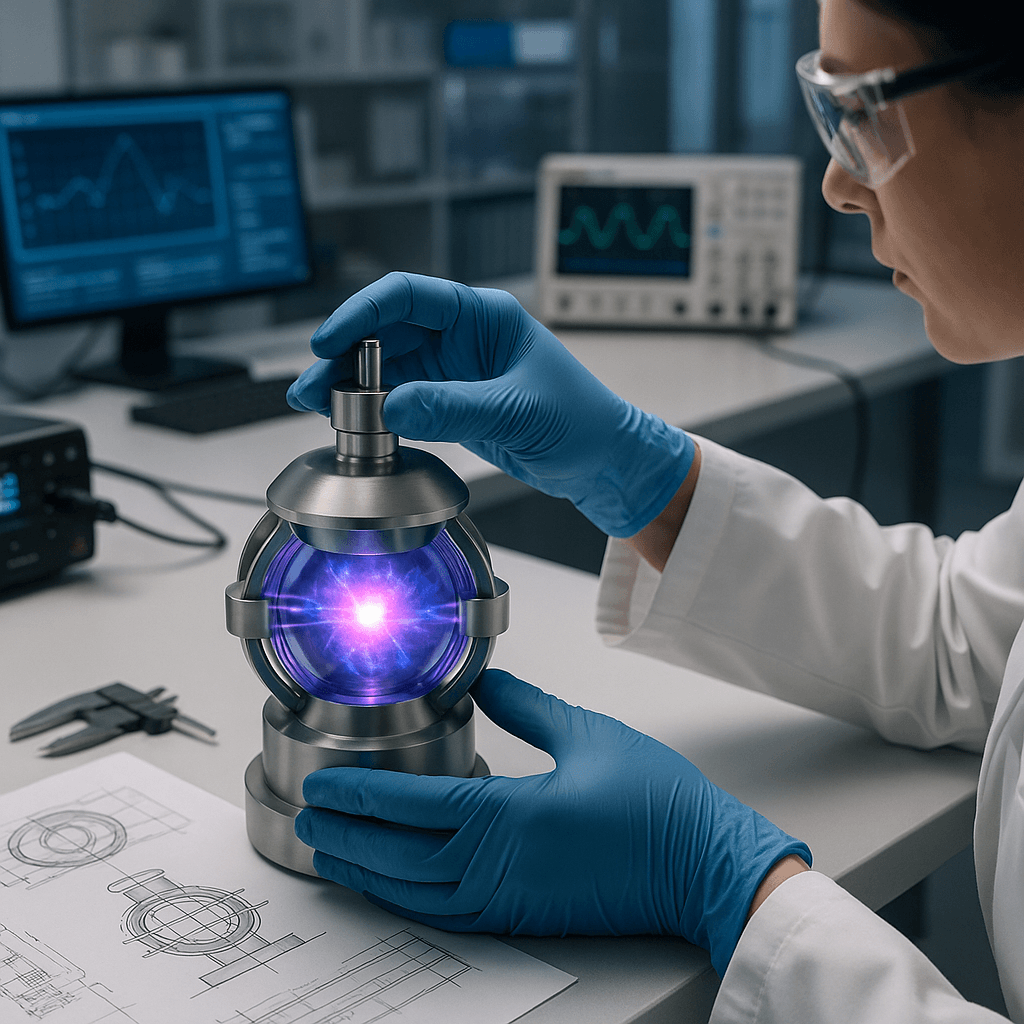
The company’s fusion reactor is just 9cm wide, enabling rapid testing cycles up to twice weekly versus years for gigantic competitors
- ■
Next-gen 25cm reactor targets 1 megawatt output and Q>1 breakeven by 2027-2029, matching timelines of billion-dollar rivals
- ■
Total funding hits $80M – tiny compared to fusion’s multi-billion dollar fundraising leaders, but enough to stay competitive
While fusion giants burn through billions building warehouse-sized reactors, Avalanche Energy just raised $29 million to prove desktop-sized can win the race to clean power. The Seattle-based startup’s reactor currently fits on a table at nine centimeters across, but CEO Robin Langtry says going small lets his team iterate twice weekly – a pace that’s impossible when your tokamak needs a building permit. The round, led by RA Capital Management, brings Avalanche’s total raised to $80 million, a fraction of what competitors like Commonwealth Fusion Systems and Helion have pulled in.
Avalanche Energy just flipped the script on fusion power. While the industry obsesses over building bigger magnets and more powerful lasers, the Seattle startup closed a $29 million round to prove that table-top reactors can beat the behemoths to commercial fusion.
The Series B was led by RA Capital Management, with participation from 8090 Ventures, Congruent Ventures, Founders Fund, Lowercarbon Capital, Overlay Capital, and Toyota Ventures. It brings Avalanche’s total raised to $80 million since founding – a relatively modest war chest in an industry where competitors have raised hundreds of millions to several billion dollars, according to TechCrunch’s fusion funding tracker.
But Avalanche co-founder and CEO Robin Langtry isn’t trying to out-spend the competition. He’s trying to out-iterate them. “We’re using the small size to learn quickly and iterate quickly,” Langtry told TechCrunch.
The company’s current reactor measures just nine centimeters in diameter. That compact footprint means Avalanche can test design changes “sometimes twice a week,” Langtry said – a cadence that would be impossible with the massive tokamaks and laser arrays that dominate fusion research. When your reactor fits on a lab bench instead of filling a warehouse, iteration cycles collapse from years to days.









Leave a Reply