
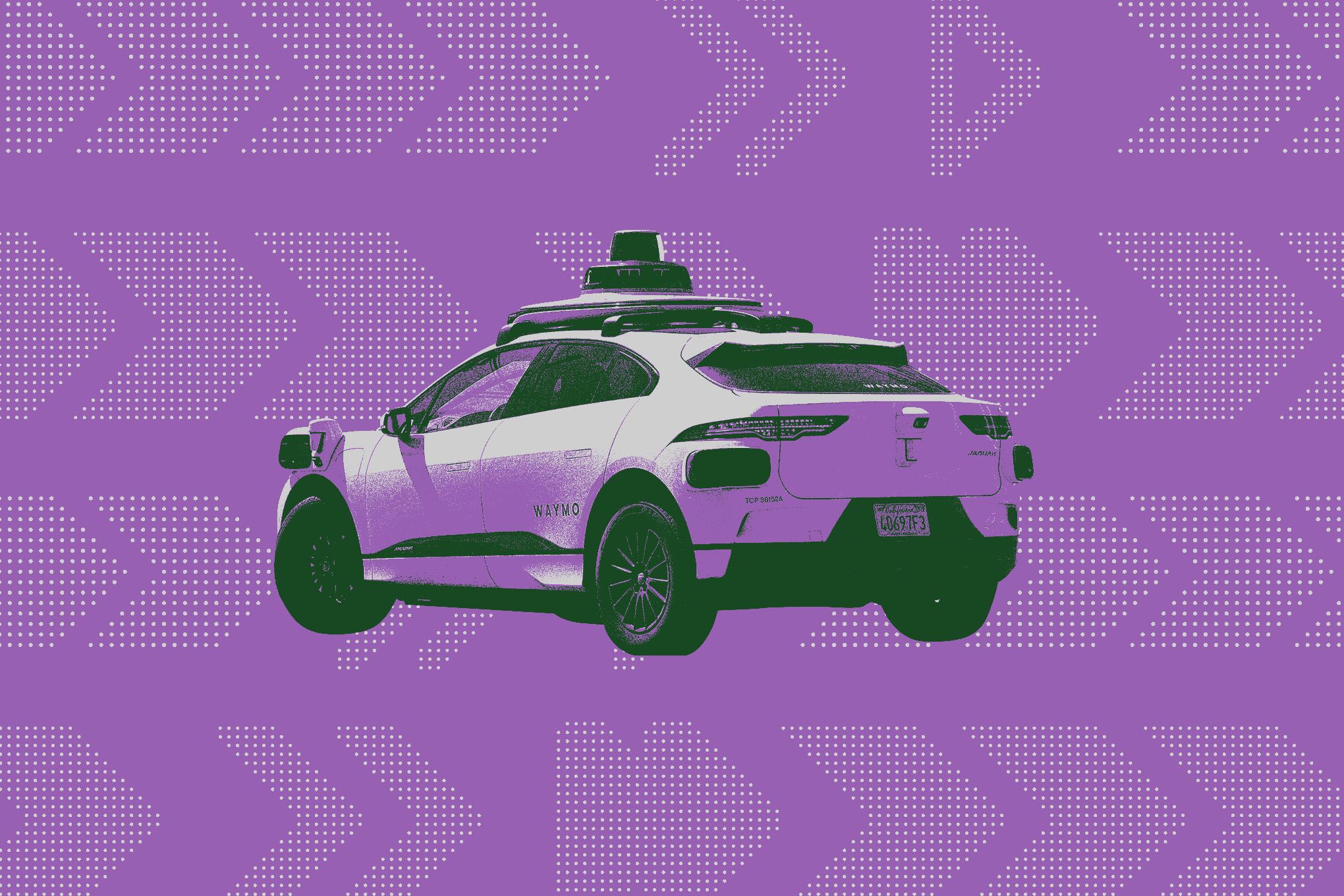
While Waymo robotaxis cruise city streets and Tesla promises full self-driving capability, a bigger question looms: do people actually want to own an autonomous car? A mysterious startup called Tensor claims it’ll be first to sell fully self-driving vehicles at scale, joining tech giants racing toward a market that may not exist yet.
The pitch sounds simple enough: if you can hail a Waymo robotaxi, why not park one in your driveway? But the reality of selling autonomous vehicles to regular consumers is proving far messier than the industry anticipated. Earlier this year, a little-known company called Tensor made headlines by claiming it would be first to sell fully autonomous vehicles to customers at scale. The announcement barely registered, dismissed as typical startup vaporware. Yet Tensor isn’t alone in chasing this elusive market. Tesla, Waymo, Lucid, and General Motors are all positioning themselves to sell self-driving cars directly to consumers, despite mounting evidence that the technology isn’t ready for primetime ownership. The hurdles are immense, starting with basic maintenance. Unlike your Honda Civic, autonomous vehicles require exotic sensors that need daily calibration and cleaning. “All the sensors have to go through calibration, maybe every day,” Phil Koopman, an autonomous vehicle expert at Carnegie Mellon University, told The Verge. “But these sensors are pretty exotic. I doubt that you can just run them for five years with no maintenance.” Then there’s the aesthetics problem. Current autonomous vehicles look like science experiments, bristling with lidar sensors, cameras, and radar units that make them deeply unappealing to style-conscious buyers. “Ugly cars are not sold,” Omer David Keilaf, CEO of lidar company Innoviz, bluntly stated, “regardless of the features they provide.” This sensor visibility issue has long frustrated Tesla CEO Elon Musk, who argues lidar is too expensive and obtrusive for consumer vehicles. Tesla’s camera-only approach for its Full Self-Driving system was partly an aesthetic choice, though it’s also led to multiple delays in the company’s autonomous vehicle timeline. The limitations go deeper than looks. Most autonomous vehicles being developed for consumer sale would operate as Level 4 systems, meaning they’re fully autonomous but only under specific conditions. Bad weather, unmarked roads, or construction zones could force drivers to take manual control. It’s unclear whether consumers would accept a $100,000+ vehicle that can’t handle a snowstorm or navigate their suburban neighborhood’s unmarked streets. Consumer sentiment data suggests they won’t. consistently show most Americans remain deeply skeptical of autonomous vehicles, and advanced driver assistance features haven’t achieved mainstream adoption despite years of availability. Yet automakers feel compelled to pursue consumer autonomous vehicles anyway. Steve Man, global lead director of auto and industrial market research at Bloomberg Intelligence, explains that companies view this as existential. They frame autonomy “not only as a commercial competition but as part of a broader geopolitical contest over AI leadership,” he said. The pressure intensifies as Chinese automakers heavily invest in AI-driven vehicles, forcing American and European competitors to match their ambitions or risk being left behind. Some companies are already hedging their bets. Koopman theorizes that privately owned autonomous cars might work like fractional jet ownership, where you technically own the vehicle but outsource all maintenance and operation to specialized management companies. has developed tiny wipers for its lidar sensors, while is reportedly working on robot vacuums for interior cleaning, though neither has outlined comprehensive maintenance plans for consumer owners. The industry’s confidence in consumer demand seems divorced from market research. This disconnect isn’t new – produced promotional videos in 1956 showing families relaxing in self-driving cars they predicted would arrive by 1976. “Ah, this is the life,” the father declares after stowing away the steering wheel. “Safe, cool, comfortable.” Nearly 70 years later, that vision remains elusive, though companies continue chasing it with billions in investment. The technical challenges are slowly being addressed. Next-generation lidar sensors are smaller and cheaper than early versions, opening possibilities for discrete mounting that doesn’t compromise vehicle aesthetics. Sensor companies like Innoviz are working to reduce the total number of components needed for autonomous operation. But the fundamental question persists: do people actually want to own self-driving cars, or do they just want the convenience of summoning one when needed? The answer may determine whether this massive industry bet pays off or joins the long list of automotive technologies that seemed inevitable but never found their market.






Leave a Reply